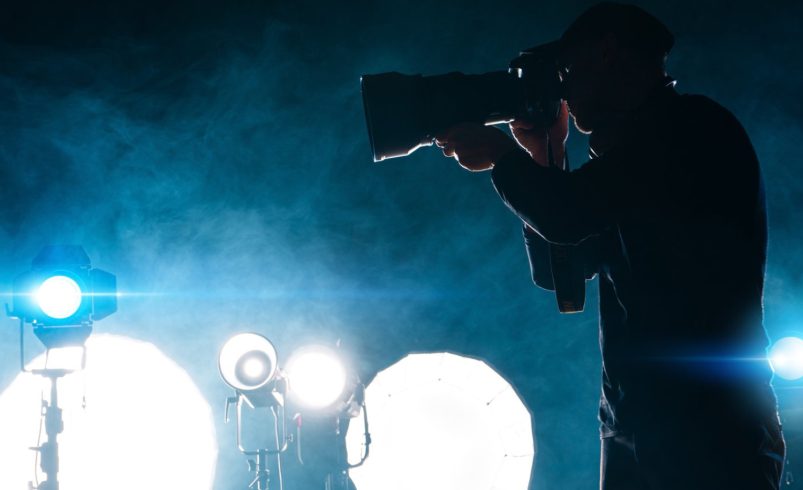
Lighting is one of the most critical elements in videography. While cameras capture the image, it is lighting that shapes mood, depth, and narrative. For videographers in Chicago, mastering advanced lighting setups is essential for creating professional-quality videos that captivate audiences. Whether you’re filming interviews, cinematic sequences, events, or architectural shots, understanding light control and creative lighting techniques will elevate your work.
This guide explores professional lighting setups, techniques, and practical tips to achieve cinematic results.
1. The Importance of Lighting in Videography
Proper lighting does more than illuminate subjects; it sets the tone and directs viewer attention:
- Mood and Atmosphere: Lighting affects how the audience feels. Soft, warm lighting can evoke intimacy, while harsh, cold light creates tension.
- Depth and Dimension: Well-placed lights add depth to scenes, separating subjects from backgrounds.
- Professional Quality: Balanced lighting ensures clean, high-quality footage with accurate color and minimal noise.
Understanding these principles helps you plan lighting with intention.
2. The Three-Point Lighting Setup
Three-point lighting is a foundational cinematic setup:
- Key Light: The primary source illuminating the subject.
- Place at a 45-degree angle from the camera.
- Adjust intensity based on scene mood.
- Fill Light: Softens shadows created by the key light.
- Usually positioned opposite the key light.
- Lower intensity than the key light to maintain depth.
- Back Light (Rim Light): Separates the subject from the background.
- Placed behind and above the subject.
- Creates a subtle outline or glow for a cinematic effect.
This setup works for interviews, portraits, and narrative filmmaking, providing balanced illumination while retaining visual depth.
3. Modifying Light for Cinematic Effect
Modifiers change the quality and intensity of light:
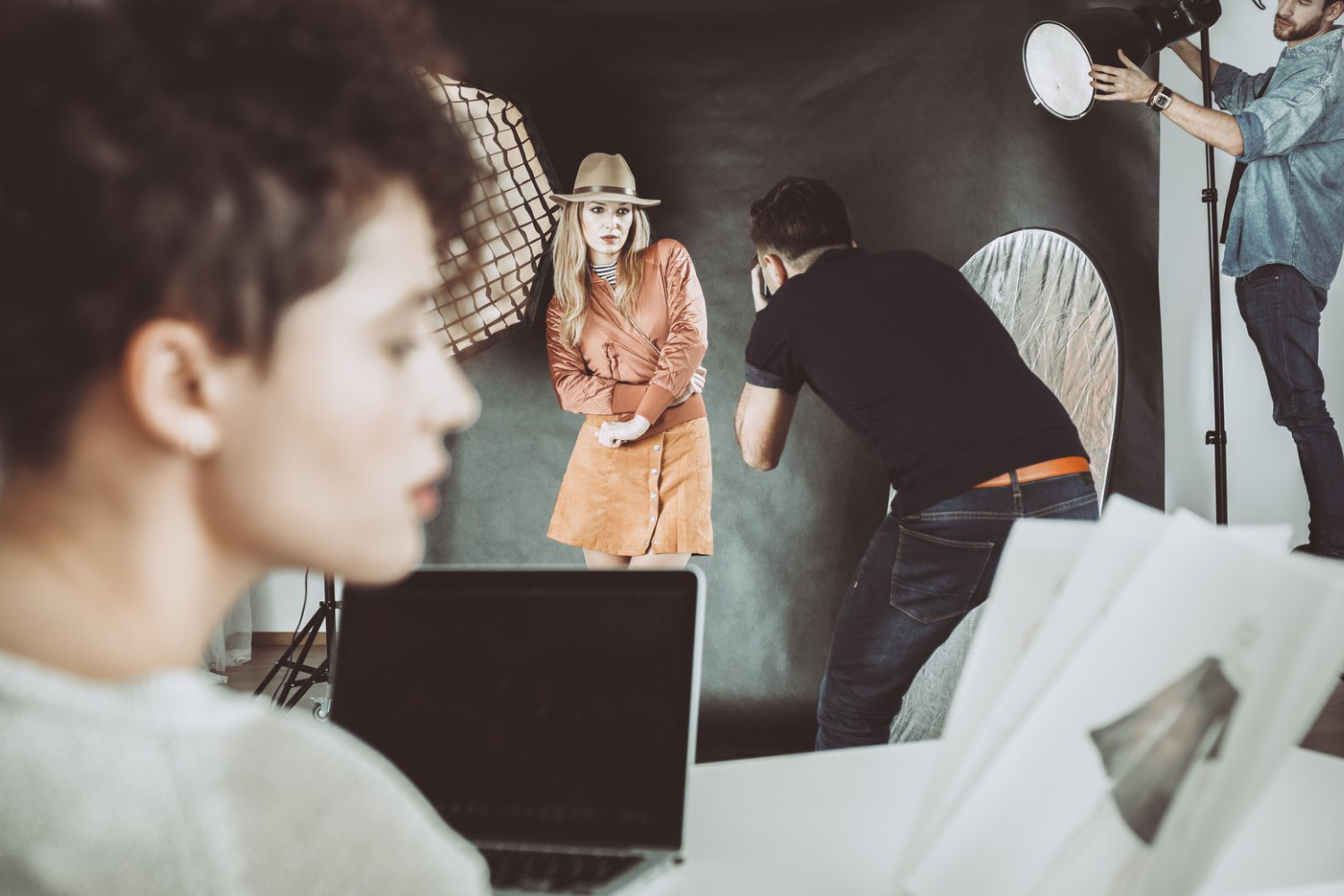
- Softboxes: Produce soft, even light ideal for interviews and beauty shots.
- Umbrellas: Spread light broadly, reducing harsh shadows.
- Grids: Focus light on a specific area, useful for dramatic highlights.
- Diffusers: Soften hard light from LED panels or sunlight.
Using modifiers allows you to sculpt light, emphasizing or minimizing details according to the story’s needs.
4. High-Key vs Low-Key Lighting
Lighting style dramatically affects narrative tone:
- High-Key Lighting: Bright, soft, and evenly lit, often used in commercials, corporate videos, or upbeat scenes.
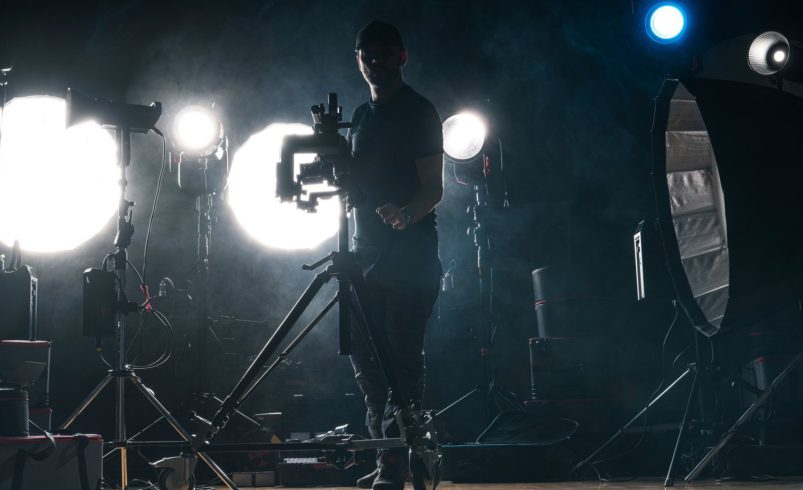
- Low-Key Lighting: Dark, high-contrast, with pronounced shadows. Perfect for drama, suspense, or cinematic storytelling.
Choosing the right style is crucial for communicating the mood and emotion of your video.
5. Practical Lighting Techniques
Practical lighting incorporates visible light sources into the frame:
- Lamps, Neon Signs, or Streetlights: Serve as both aesthetic and functional lighting.
- Fire or Candlelight: Adds warmth and intimacy.
- Vehicle Lights: Useful for night street scenes or dynamic motion shots.
Practical lights add realism and help integrate lighting naturally into the environment.
6. Using LED Panels for Versatility
LED panels are essential for modern videography:
- Portable and Adjustable: Ideal for on-location shoots around Chicago landmarks like Millennium Park or Navy Pier.
- Variable Color Temperature: Switch between warm and cool light to match or contrast ambient lighting.
- Dimmer Control: Adjust intensity to suit scene requirements.
LED panels allow precise, consistent lighting while remaining flexible for creative setups.
7. Controlling Shadows for Drama
Shadows can be a creative tool:
- Chiaroscuro Lighting: Strong contrast between light and dark, used in cinematic storytelling for tension or drama.
- Selective Shadow Placement: Direct shadows to emphasize depth, texture, or emotion.
- Bounce and Reflectors: Soften shadows selectively without eliminating them completely.
Using shadows purposefully enhances the visual storytelling of your footage.
8. Motivated Lighting
Motivated lighting mimics or enhances natural sources:
- Replicating Window Light: Key lights positioned like sunlight for indoor interviews.
- Streetlamp Emulation: LED lights simulate city lighting for outdoor night scenes.
- Consistency: Maintain believable light direction and color throughout shots.
Motivated lighting makes scenes look realistic while maintaining cinematic quality.
9. Combining Natural and Artificial Light
Mixing available light with artificial sources provides flexibility:
- Window Light: Use natural sunlight as a soft key light, supplemented with LEDs or reflectors.
- Ambient Urban Lighting: Combine streetlights or signage with portable lighting for dynamic night cityscapes.
- Golden Hour Filming: Capture natural warmth and enhance with fill lights for cinematic portraits.
Blending these elements produces polished, professional footage without appearing artificial.
10. Color Temperature and Mood
Color temperature controls the scene’s emotional impact:
- Warm Light (3200K): Creates intimacy, comfort, and cinematic warmth.
- Cool Light (5600K+): Evokes tension, modernity, or stark realism.
- Mixed Lighting: Careful balancing avoids unnatural color casts while enhancing creative intent.
Adjusting light color can guide viewer emotion and reinforce the narrative.
11. Advanced Lighting Techniques
Elevate your setup with creative approaches:
- Rim and Hair Lighting: Backlight separates subject and adds dimensionality.
- Gobo Lighting: Shapes light with patterns for visual texture.
- Color Gels: Introduce mood or style without altering camera settings.
- Practical-to-LED Ratios: Mix practical lighting with controlled LEDs to achieve cinematic depth.
Experimenting with these techniques allows videographers to craft a signature look.
12. Lighting for Movement and Action
Cinematic footage often involves movement, which requires careful lighting:
- Track and Pan Shots: Keep moving lights or reflectors to maintain subject illumination.
- Dynamic Key Lights: Use battery-powered LEDs that follow performers or subjects.
- Smooth Dimming: Gradually adjust light intensity during motion for seamless exposure transitions.
Well-planned lighting ensures clarity and cinematic quality in dynamic scenes.
13. Nighttime City Filming in Chicago
Chicago’s urban landscape provides excellent opportunities for cinematic night footage:
- Street Scenes: Use streetlights and passing vehicles as motivated lighting sources.
- Architectural Highlights: Illuminate buildings with LEDs to capture textures and details.
- Reflections on Water: Lake Michigan or riverwalk shots benefit from mixed artificial and ambient lighting.
Advanced lighting setups can transform ordinary nighttime scenes into visually captivating stories.
14. Lighting for Interviews and Portraits
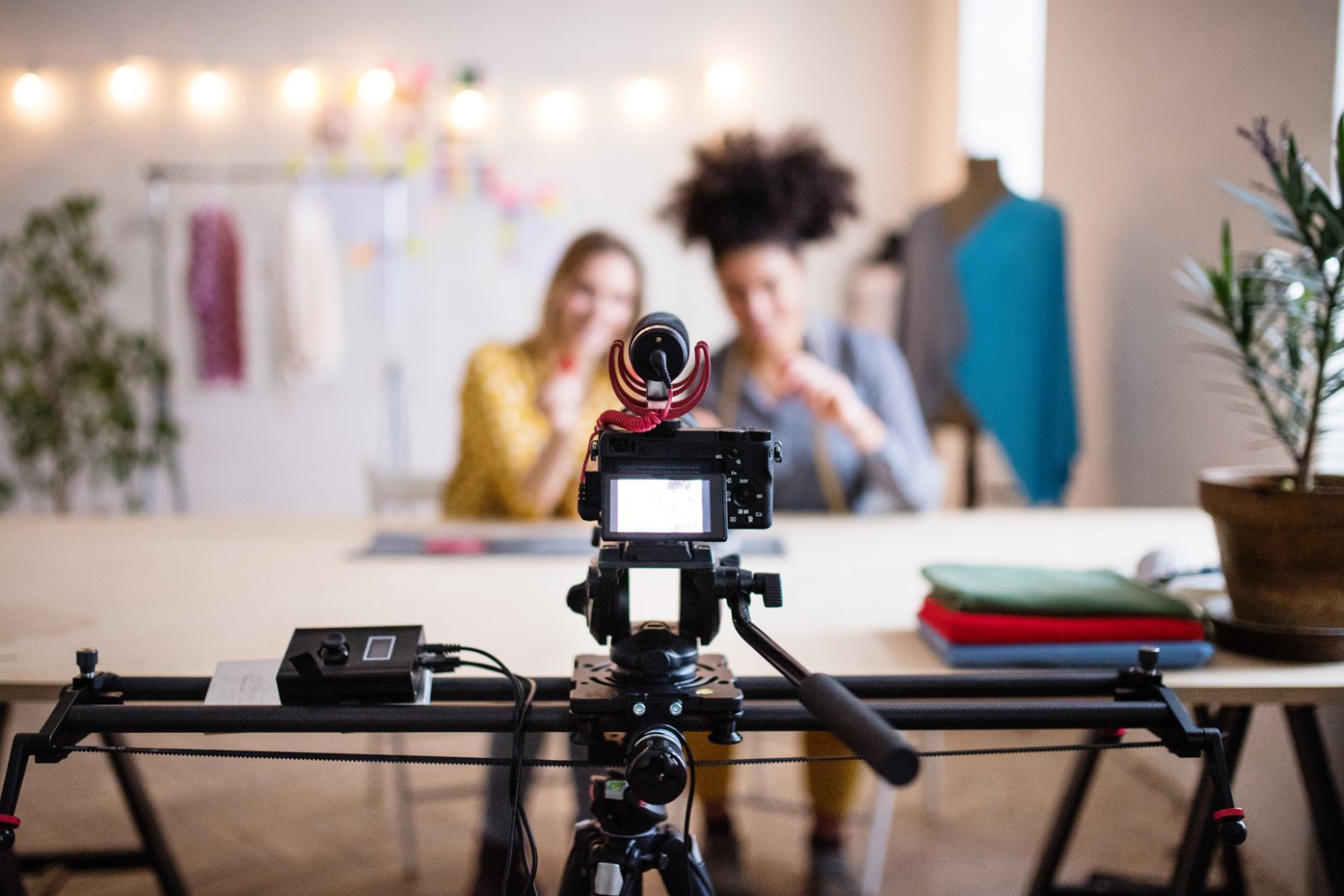
Interviews require careful control to look professional:
- Key Light Placement: 45-degree angle with softbox for flattering illumination.
- Fill Light: Reduce shadows but maintain depth.
- Backlight/Rim: Separate subject from background for a polished look.
- Ambient Adjustments: Match background lighting to maintain visual harmony.
Proper interview lighting enhances subject presence and maintains cinematic integrity.
15. Event Lighting
Events like concerts, corporate functions, or weddings demand flexible lighting:
- LED Panels and Spotlights: Highlight subjects without washing out ambient light.
- Colored Gels: Add visual interest and mood.
- Adjustable Stands: Move lights easily in dynamic environments.
Effective lighting in events elevates the production value and keeps footage engaging.
16. Practical Tips for Cinematic Lighting
- Always Scout Locations: Identify existing light sources and potential shadows.
- Plan Multiple Setups: Adapt quickly to changing conditions, especially outdoors.
- Use Light Meters: Ensure accurate exposure.
- Experiment with Ratios: Adjust key-to-fill intensity for creative effect.
Planning and attention to detail produce consistent, high-quality results.
17. Common Mistakes to Avoid
- Flat Lighting: Avoid uniform light with no shadows; it looks unnatural.
- Overpowered LEDs: Can blow out highlights or create harsh shadows.
- Ignoring Color Temperature: Causes mismatched lighting and unnatural tones.
- Neglecting Backgrounds: Background illumination is as important as the subject.
Avoiding these mistakes ensures your footage maintains cinematic quality.
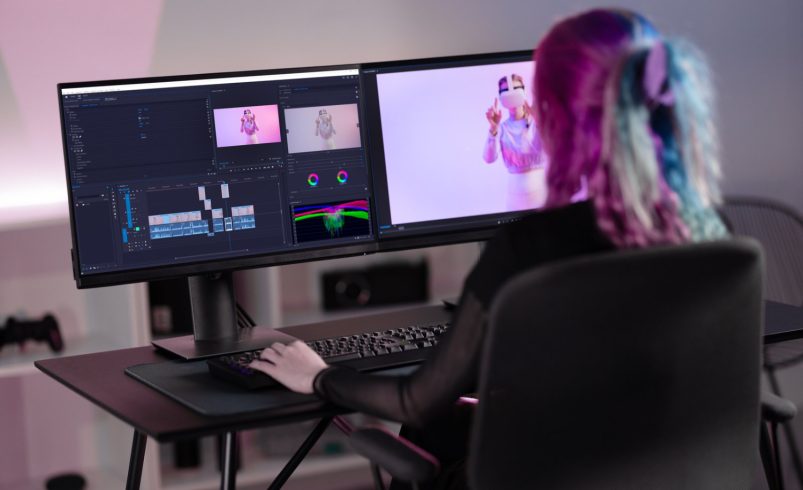
18. Post-Production and Lighting
Even well-planned lighting benefits from subtle post-production enhancements:
- Color Correction: Fix mismatched temperatures or exposure issues.
- Highlight and Shadow Adjustment: Enhance depth and dimensionality.
- Selective Lighting Effects: Enhance rim lighting or ambient glow in software.
Post-production complements practical lighting to achieve a professional, polished final result.
19. Equipment Recommendations
- LED Panels: Portable, dimmable, and color adjustable.
- Softboxes and Umbrellas: For diffuse, flattering light.
- Battery-Powered Lights: Essential for location shooting without power sources.
- Reflectors and Diffusers: For flexible and dynamic control.
The right combination of equipment provides flexibility and creative freedom for any project.
20. Final Thoughts
Advanced lighting is both a technical skill and an art form. By understanding the principles of three-point setups, color temperature, shadows, practical lighting, and creative modifications, videographers in Chicago can elevate every project to cinematic quality.
Whether filming interviews, cityscapes, events, or narrative sequences, mastering lighting transforms ordinary footage into professional, visually compelling videos. Practice, experimentation, and attention to detail are key to consistently producing high-end cinematic visuals.