Starting your videography journey can feel overwhelming, but with the right approach, you can quickly begin creating high-quality content. For beginners in Chicago, understanding your camera and basic techniques is the first step toward professional-looking videos.
This guide will walk you through everything you need to get started with your first camera.
1. Choose the Right Camera
Your camera is your primary tool, but you don’t need the most expensive option:
- DSLR/Mirrorless Cameras: Great for high-quality video and manual control
- Smartphones: Perfect for beginners with limited budgets
- Camcorders: Easy to use for events and long recordings
Focus on learning, not just upgrading gear.
2. Understand Camera Settings
Learning basic settings will dramatically improve your video quality:
- Resolution: Start with 1080p or 4K for sharp footage
- Frame Rate:
- 24fps for cinematic look
- 30fps for standard video
- 60fps for smooth motion
- Shutter Speed: Keep it double your frame rate (e.g., 1/50 for 24fps)
Mastering these basics ensures consistent, professional results.
3. Learn Exposure Basics
Proper exposure balances light in your footage:
- Aperture: Controls light and depth of field
- ISO: Adjusts brightness (keep low to avoid noise)
- Shutter Speed: Affects motion blur and exposure
Balancing these three elements creates well-lit, clear videos.
4. Stabilize Your Shots
Shaky footage looks unprofessional:
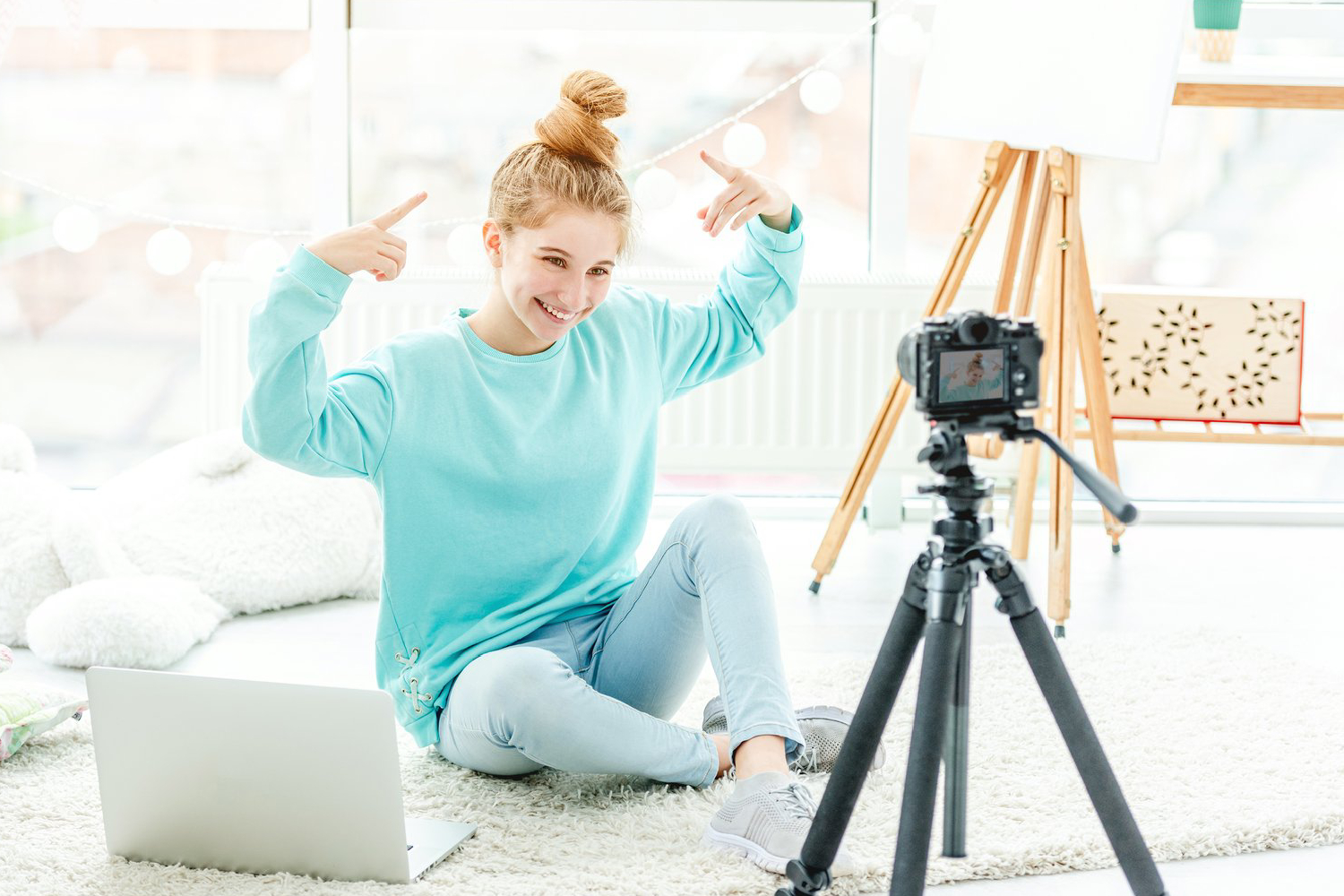
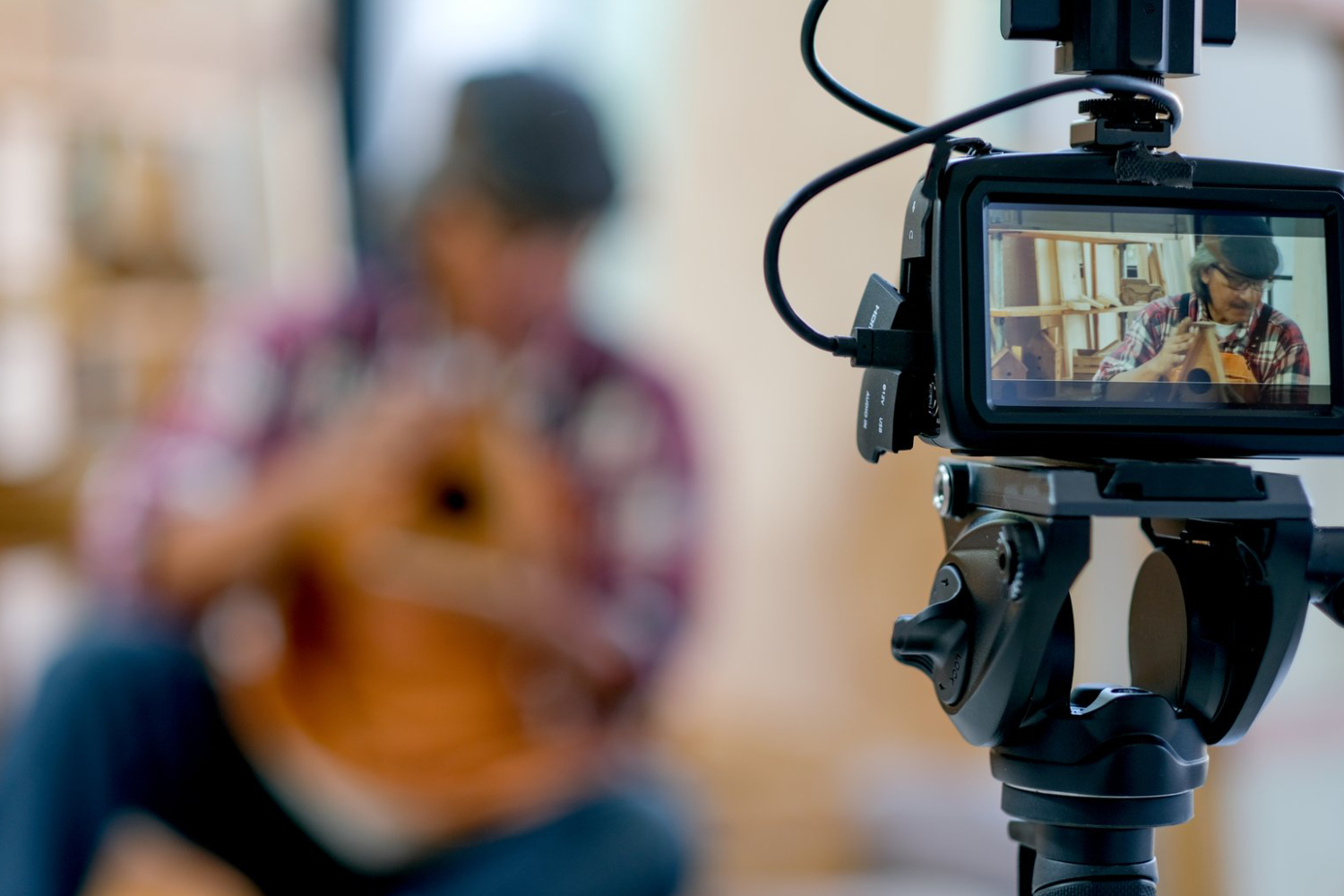
- Use a tripod for static shots
- Try handheld stabilization techniques
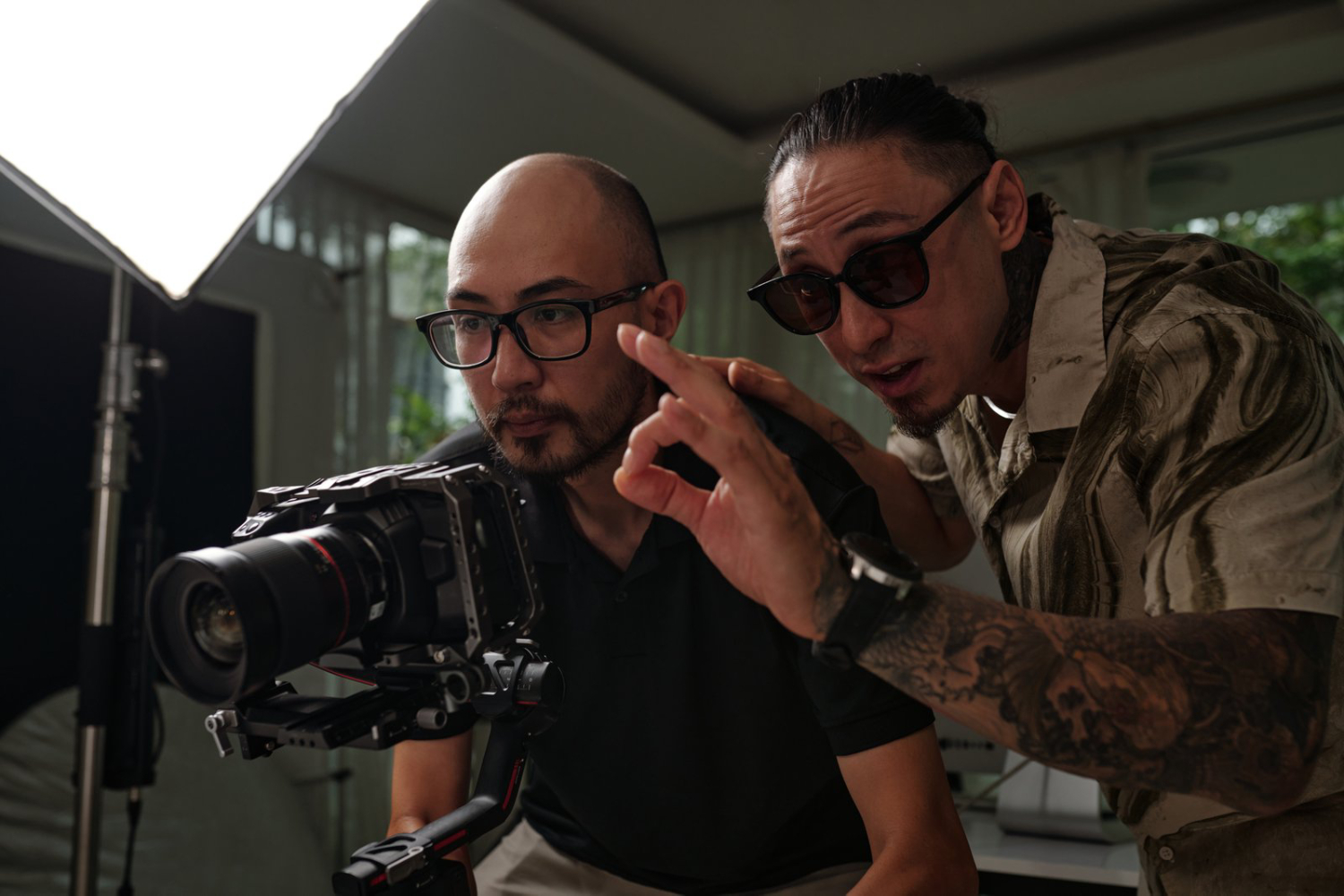
- Invest in a gimbal for smooth movement
Stable shots instantly improve video quality.
5. Focus on Composition
Good framing makes your videos visually appealing:
- Use the rule of thirds
- Keep subjects well-positioned
- Avoid cluttered backgrounds
Simple composition techniques elevate your visuals.
6. Use Natural Lighting
Lighting plays a huge role in video quality:
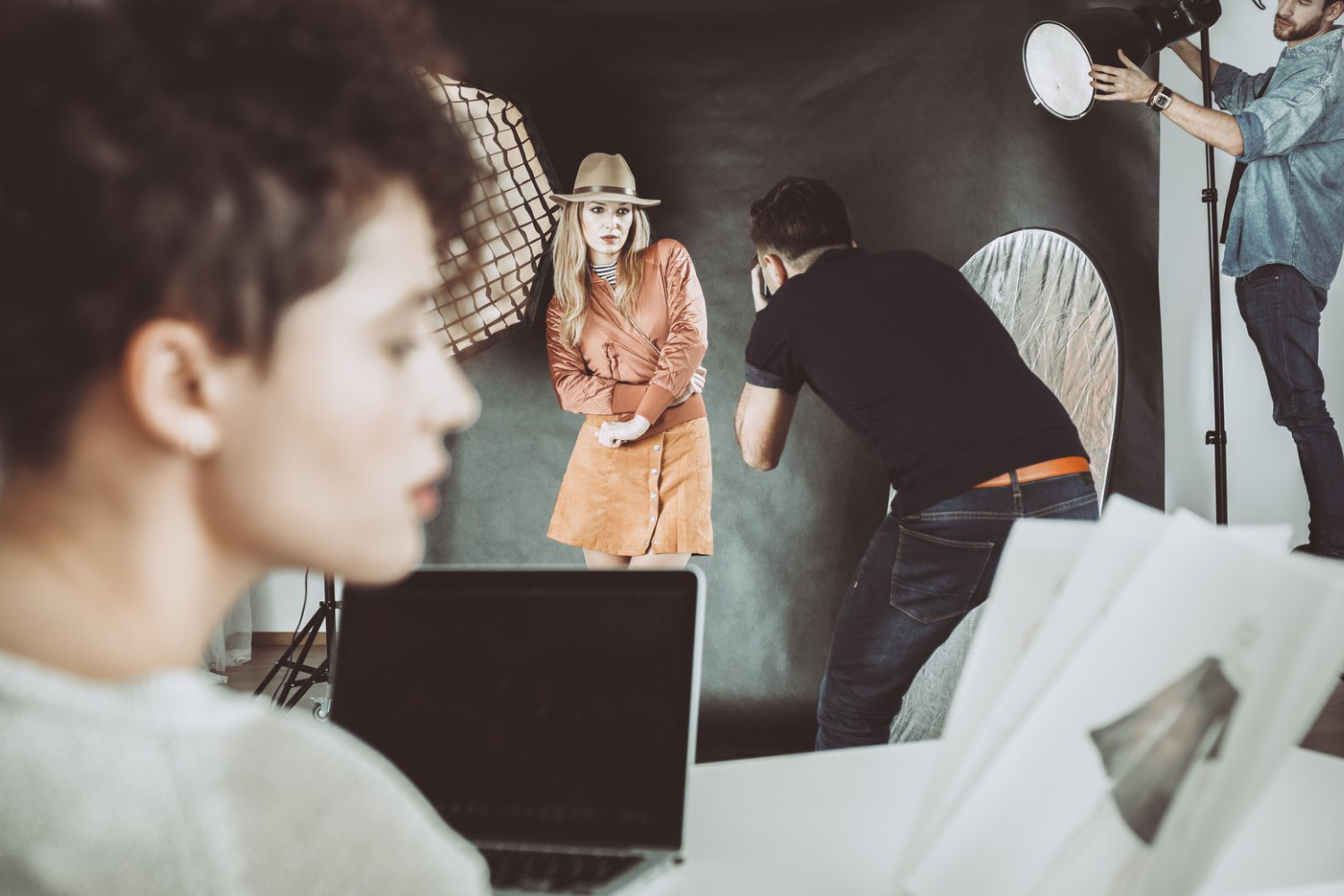
- Shoot near windows for soft, natural light
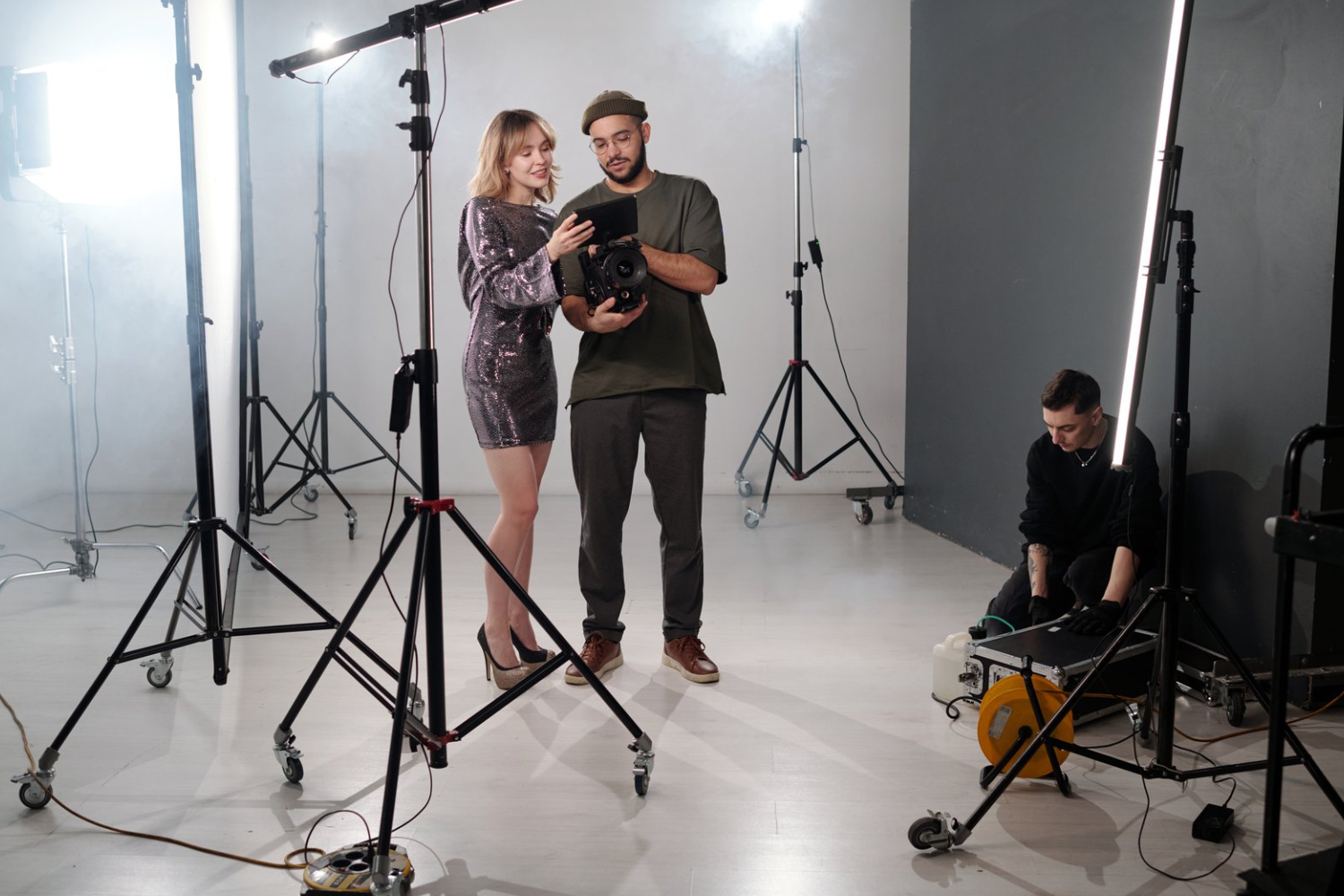
- Avoid harsh overhead lighting
- Film during golden hour for warm tones
Good lighting can make even basic cameras look professional.
7. Record Clear Audio
Audio quality is just as important as video:
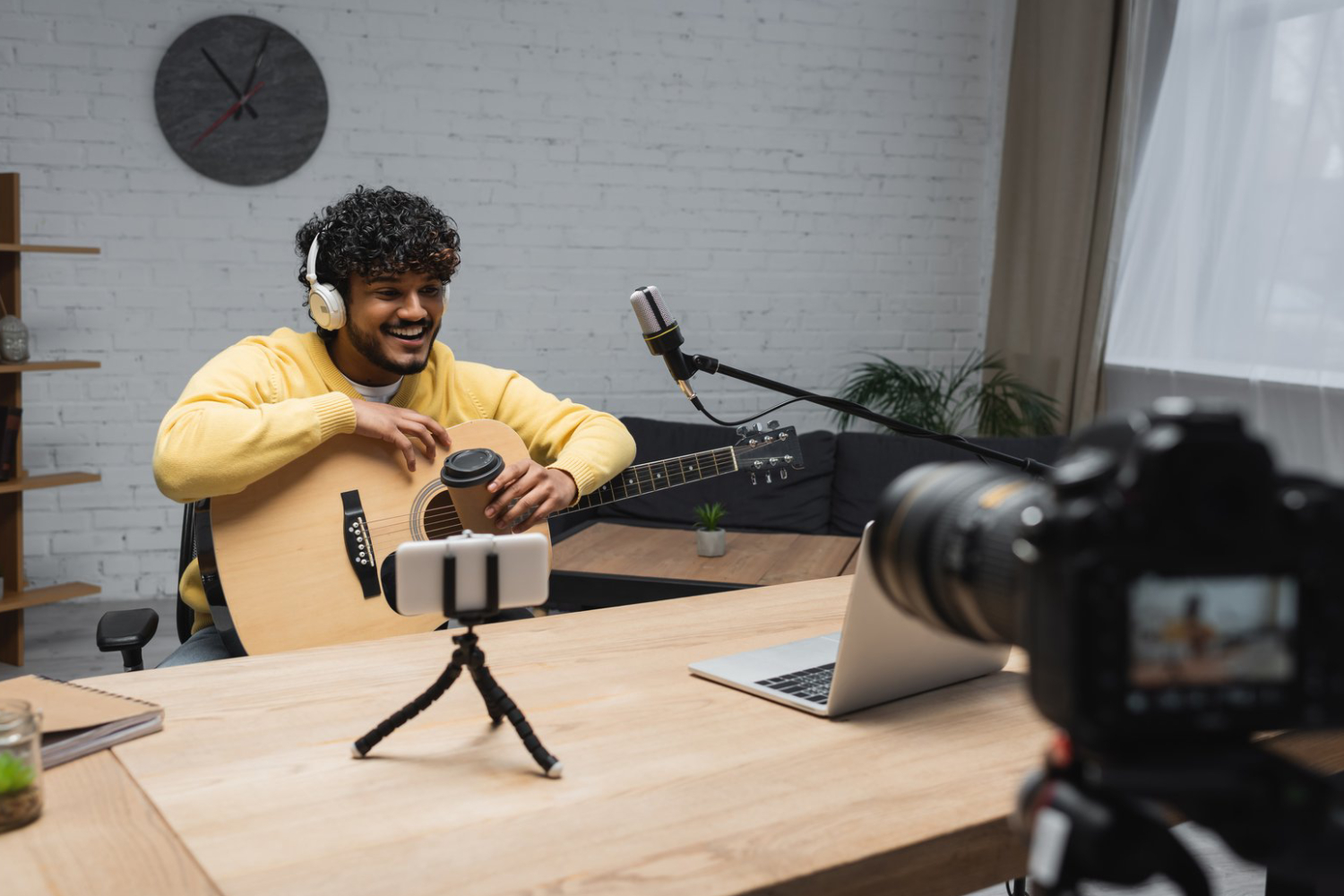
- Use external microphones when possible
- Reduce background noise
- Monitor audio levels while recording
Clear sound enhances the overall viewer experience.
8. Practice Camera Movements
Basic movement techniques add cinematic feel:
- Pan slowly from side to side
- Tilt up or down smoothly
- Try simple tracking shots
Controlled movement creates dynamic visuals.
9. Start Editing Your Footage
Editing brings your video together:
- Use beginner-friendly software
- Trim unnecessary clips
- Add basic transitions and music
Even simple edits can make your videos look polished.
10. Final Thoughts
Getting started with videography doesn’t require expensive gear—just a solid understanding of your camera and basic techniques. By learning settings, composition, lighting, and audio, beginners in Chicago can quickly create high-quality, professional-looking videos.
Consistency and practice are key. The more you shoot and experiment, the faster your skills will grow.