Basic Lighting Techniques for New Videographers
- April 8, 2026
- 0
Lighting is one of the most important elements in videography. For beginners in Chicago, understanding how to use light effectively can instantly elevate video quality, even with basic






Lighting is one of the most important elements in videography. For beginners in Chicago, understanding how to use light effectively can instantly elevate video quality, even with basic
Lighting is one of the most important elements in videography. For beginners in Chicago, understanding how to use light effectively can instantly elevate video quality, even with basic equipment.
This guide covers essential lighting techniques to help you achieve professional-looking results.
Lighting affects how your subject looks and how your story feels:
Good lighting can make a simple video look cinematic.
Natural light is the easiest and most accessible option:
Position your subject facing the light source for the best results.
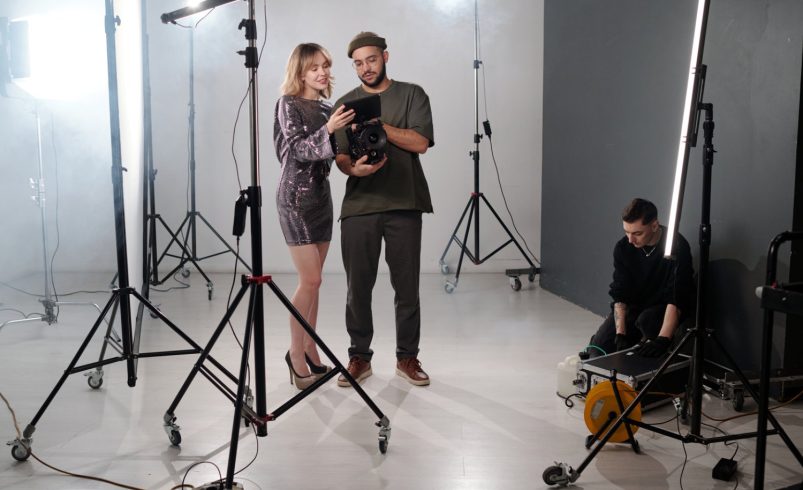
This classic setup is widely used in videography:
Three-point lighting creates depth and a professional look.
Managing brightness is essential for balanced footage:
Balanced lighting ensures natural and pleasing visuals.
The direction of light changes the mood:
Experiment with angles to achieve different effects.
You don’t need expensive gear to get started:
Budget-friendly tools can still produce high-quality results.
Beginners often make simple errors:
Being mindful of these mistakes improves overall quality.
White balance ensures accurate colors:
Correct white balance keeps your footage looking natural.
Lighting can enhance storytelling:
Lighting choices directly influence how viewers feel.
Mastering basic lighting techniques is essential for beginner videographers. By understanding natural light, using simple setups, controlling intensity, and avoiding common mistakes, you can significantly improve your video quality.
For creators in Chicago, learning to work with available light and affordable equipment is the first step toward producing professional, cinematic content.