Tracking and dolly shots add movement and depth, making your videos more dynamic and cinematic. For freelance videographers in Chicago, mastering these techniques enhances storytelling and creates professional-quality footage.
This guide explains the basics of tracking and dolly shots, equipment needed, and practical tips for beginners.
1. Understand Tracking vs. Dolly Shots
- Tracking Shot: The camera follows a moving subject, often handheld or on a track
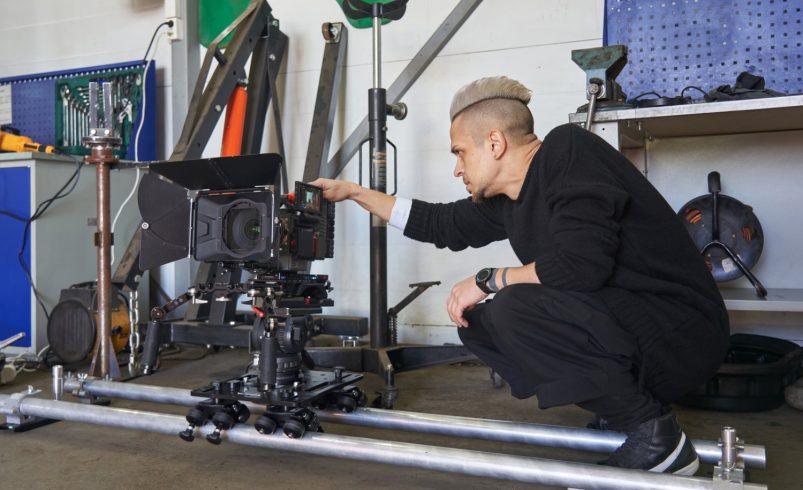
- Dolly Shot: The camera is mounted on a dolly or slider and moves smoothly along a fixed path
- Purpose: Both techniques guide viewers through a scene, add motion, and enhance visual interest
Knowing the difference helps you choose the right technique for each scene.
2. Equipment Options
Smooth tracking and dolly shots require proper tools:
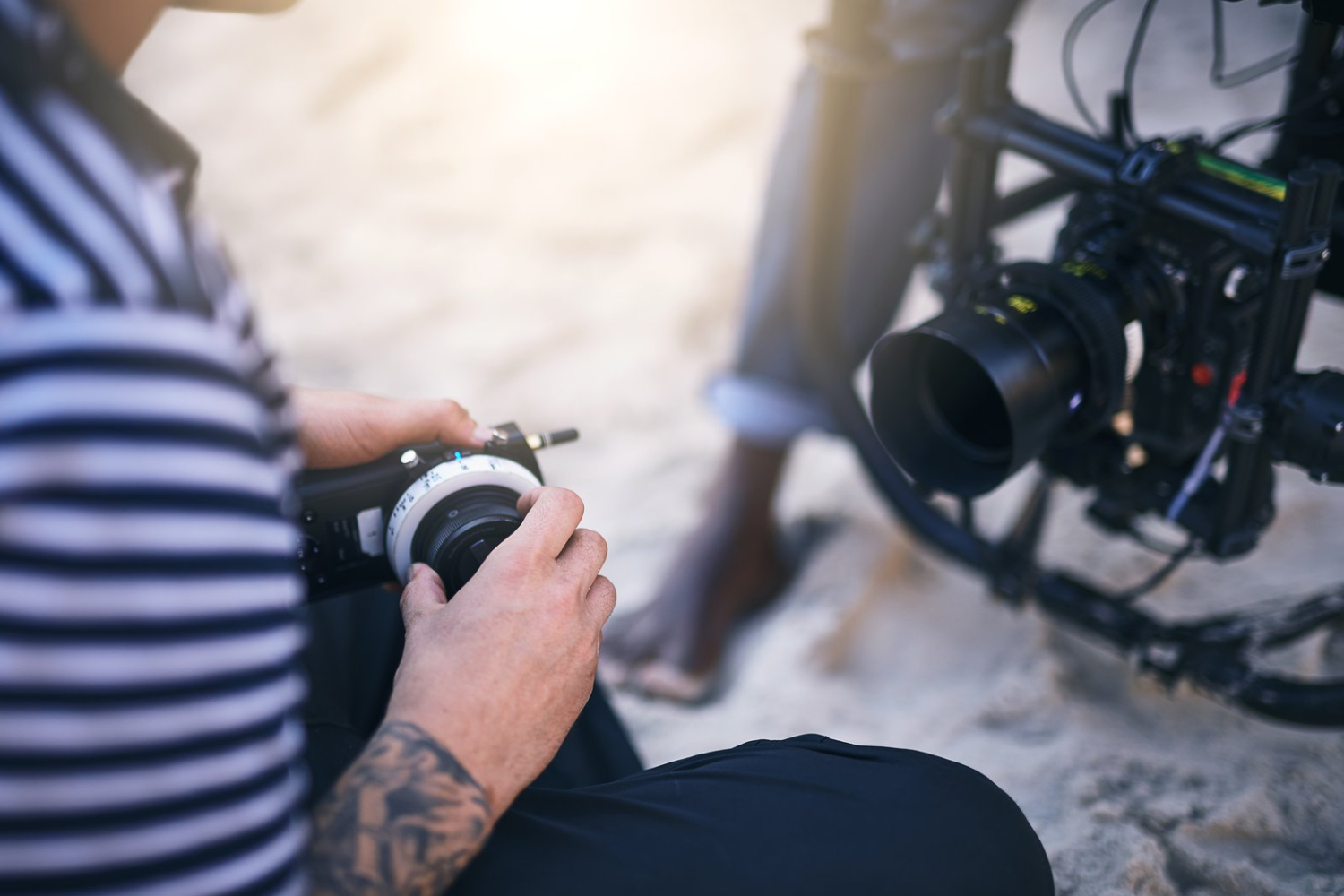
- Dolly Systems: Motorized or manual dollies for smooth horizontal movement
- Sliders: Compact, portable alternatives for short tracking shots
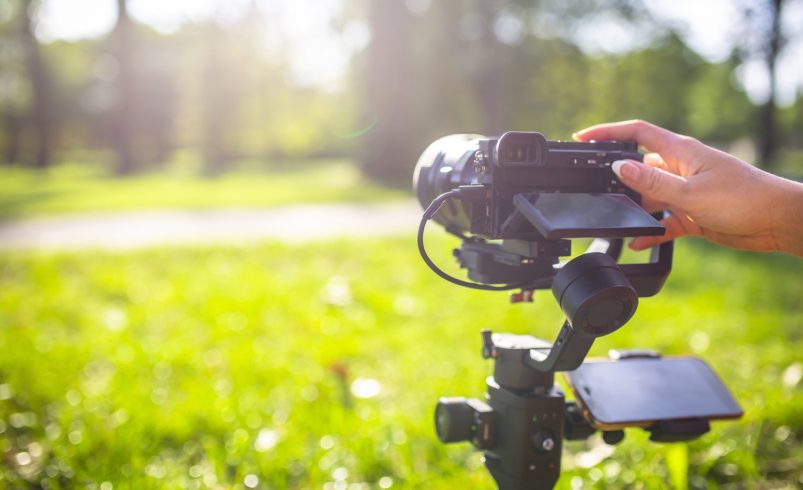
- Gimbals/Stabilizers: Handheld stabilizers for flexible tracking without a track
- Tripods with Wheels: Basic option for slow, smooth dolly shots
Select equipment based on your budget, location, and shot requirements.
3. Plan Your Path
Pre-planning ensures smooth and effective movement:
- Route Mapping: Identify start and end points for the camera
- Obstacles: Check for cables, uneven surfaces, or objects in the way
- Subject Coordination: Communicate with actors or moving subjects
A well-planned path reduces retakes and improves shot quality.
4. Maintain Smooth Motion
Smooth movement is key to professional footage:
- Steady Speed: Move at a consistent pace to avoid jerky footage
- Practice Runs: Rehearse before actual filming to refine motion
- Control: Adjust speed for emotional impact—slower for dramatic, faster for action
Smoothness enhances cinematic appeal and keeps the viewer immersed.
5. Consider Composition and Framing
Movement works hand-in-hand with visual composition:
- Subject Placement: Keep subjects properly framed during motion
- Depth and Layers: Reveal background and foreground elements gradually
- Rule of Thirds: Maintain alignment as the camera moves
Proper composition ensures every frame is visually engaging.
6. Use Dolly and Tracking Creatively
Add cinematic flair by experimenting with techniques:
- Follow Action: Track characters or moving objects through the scene
- Reveal Shots: Move the camera to uncover new subjects or locations
- Push-In/Push-Out: Dolly toward or away from the subject to create emotional emphasis
Creative use of movement enhances storytelling and visual interest.
7. Audio Considerations
Camera movement affects sound recording:
- External Microphones: Keep audio separate from camera motion
- Wind & Noise: Plan for ambient sound issues when moving outdoors
- Syncing: Ensure dialogue and effects align with dynamic shots
Good audio planning ensures movement doesn’t compromise sound quality.
8. Practice Safety and Stability
Tracking and dolly shots involve movement, so safety is critical:
- Check the Path: Ensure smooth and obstacle-free movement
- Secure Equipment: Use stable mounts and secure cables
- Crew Coordination: Communicate with assistants to prevent accidents
Safety prevents equipment damage and ensures a smooth filming experience.
9. Integrate into Storytelling
Camera movement should enhance the narrative:
- Build Tension: Slow tracking can heighten suspense
- Show Relationships: Follow interactions between subjects
- Guide Focus: Direct the viewer’s attention to important details
Movement should always serve the story rather than distract from it.
10. Final Thoughts
Tracking and dolly shots are essential for Chicago videographers who want to create cinematic, professional-quality videos. By understanding the techniques, using proper equipment, planning your path, maintaining smooth motion, and integrating movement with storytelling, your videos will feel dynamic, immersive, and polished.
Mastering tracking and dolly shots elevates your projects from ordinary footage to cinematic storytelling that engages audiences.