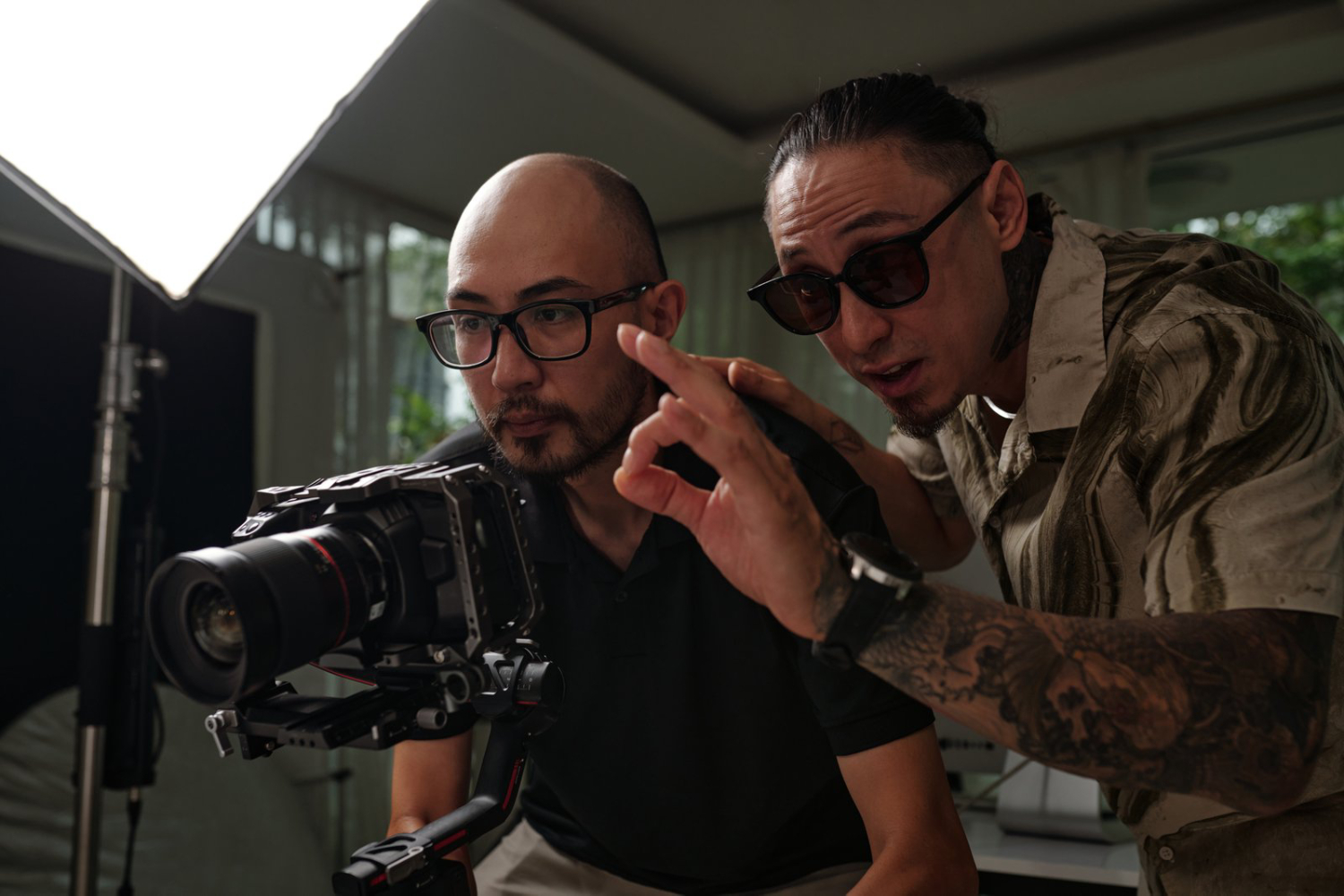
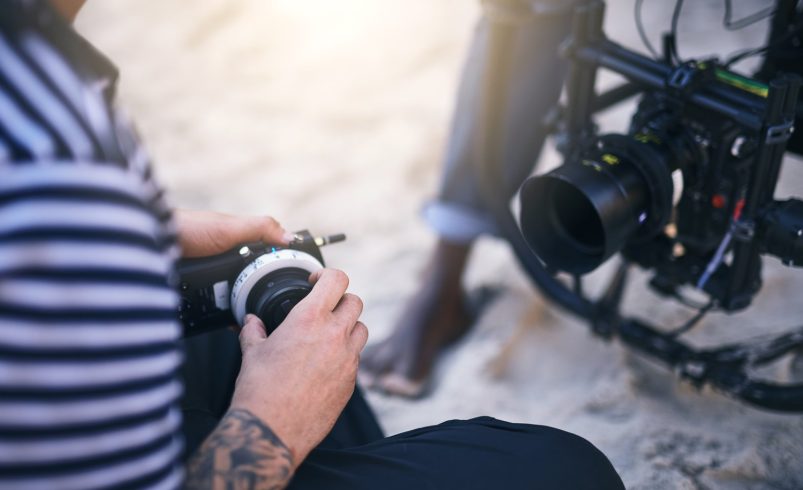
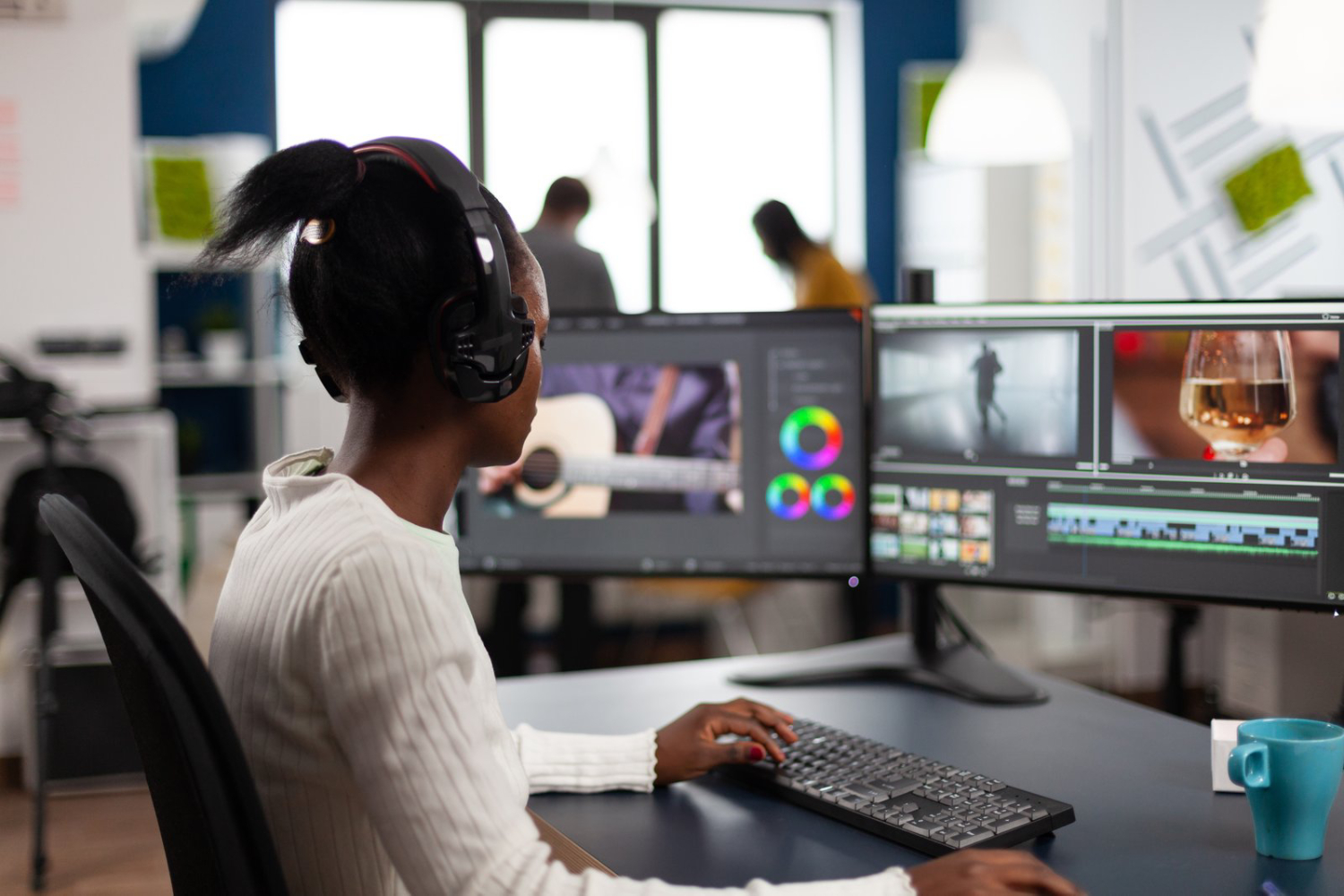
Effective shot planning is essential for creating professional, visually compelling videos. For freelance videographers in Chicago, careful planning ensures that every shot contributes to the story, saves time on set, and reduces post-production challenges.
This guide explains how to plan shots like a pro for cinematic videography.
1. Understand Your Story or Message
Every video should have a clear purpose:
- Narrative Videos: Identify key story beats and emotional moments
- Event Videos: Highlight important events, speeches, and interactions
- Commercial Content: Focus on product features, brand messaging, and call-to-action
Knowing your story ensures each shot aligns with your creative goal.
2. Break the Video Into Scenes
Segmenting your video helps organize filming:
- Scene Identification: Group actions or locations into manageable scenes
- Prioritize Shots: Focus on essential moments before extras
- Flow & Continuity: Plan transitions to maintain logical story progression
Breaking into scenes simplifies production and ensures nothing important is missed.
3. Plan Camera Angles and Movements
Camera work is central to cinematic quality:
- Angles: Wide, medium, and close-up shots create visual variety
- Perspective: High, low, and over-the-shoulder shots add depth
- Movements: Pans, tilts, tracking, and handheld shots increase dynamism
Pre-planning angles and movements ensures visually engaging footage.
4. Consider Lighting and Environment
Cinematic shots depend on effective lighting:
- Natural Light: Identify ideal times of day for outdoor filming
- Artificial Lighting: Use softboxes, LED panels, and reflectors for control
- Environment Planning: Account for background, color, and weather conditions
Planning lighting avoids poorly lit shots and enhances mood and clarity.
5. Plan Composition and Framing
Strong visual composition improves storytelling:
- Rule of Thirds: Align subjects along grid lines for balance
- Leading Lines: Guide the viewer’s eye through the frame
- Depth & Layers: Use foreground, midground, and background elements
Framing shots carefully ensures each scene looks polished and professional.
6. Account for Audio Needs
Audio planning is as important as visual planning:
- Dialogue: Position microphones for clear recording
- Ambient Sound: Capture background audio to enhance realism
- Music & SFX: Plan moments where music or sound effects elevate emotion
Audio planning minimizes editing issues and improves overall video quality.
7. Schedule Shots Efficiently
Time management is key for smooth production:
- Shot Order: Organize based on location, lighting, or scene complexity
- Buffer Time: Include extra time for unexpected delays
- Prioritize Critical Shots: Capture essential content first
A structured schedule keeps the shoot organized and efficient.
8. Prepare Equipment and Accessories
Being ready prevents last-minute problems:
- Camera Gear: Ensure cameras, lenses, and stabilizers are prepared
- Lighting & Audio Equipment: Test all devices before filming
- Props & Costumes: Have necessary items on hand for each scene
Preparation reduces interruptions and maintains professional workflow.
9. Storyboard or Shot List Integration
Combine shot planning with storyboarding:
- Visual Reference: Use storyboards to visualize each planned shot
- Shot List: Create a detailed list of angles, movements, and timings
- Production Notes: Add location, lighting, or technical requirements
Integrating both tools ensures clarity and prevents missed shots.
10. Final Thoughts
Planning your shots is critical to achieving cinematic quality in Chicago videography. By understanding your story, segmenting scenes, pre-visualizing camera work, framing, lighting, and audio, and organizing a structured schedule, you ensure efficient production and polished results.
Proper shot planning not only enhances the quality of your videos but also saves time on set and in post-production, making your projects professional, engaging, and visually compelling.