Smooth panning and tilting are foundational techniques in cinematic videography. For freelance videographers in Chicago, mastering these movements adds professionalism, visual interest, and storytelling impact to your videos.
This guide explains how to execute panning and tilting effectively and how to integrate them into your projects.
1. Understand Pans and Tilts
- Pan: Horizontal camera movement, rotating left or right on a fixed axis
- Tilt: Vertical camera movement, moving up or down from a fixed point
- Purpose: Both movements reveal scenes, follow action, or create cinematic flow
Knowing the difference is key to using them effectively in storytelling.
2. Use a Tripod or Stabilizer
Smooth movement requires stable support:
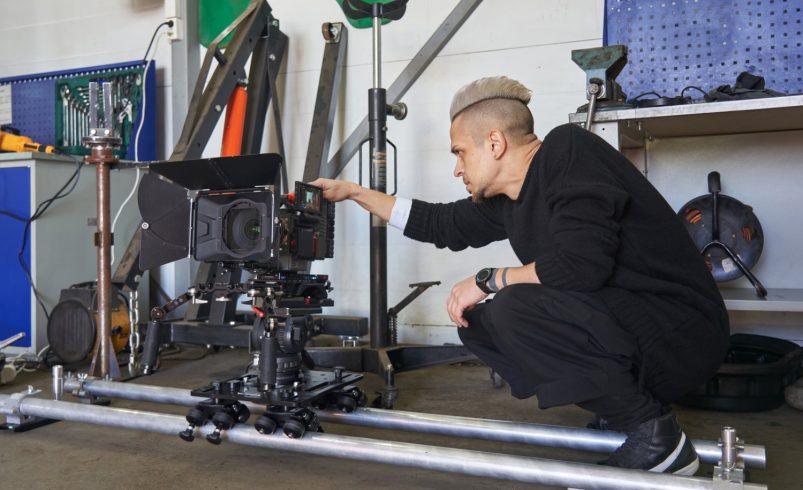
- Tripod with Fluid Head: Allows controlled, consistent pans and tilts
- Gimbals or Stabilizers: Reduce shake during handheld movements
- Leveling: Ensure your tripod or stabilizer is properly leveled for smooth motion
Stability is essential for professional-looking footage.
3. Plan Your Movements
Pre-planning ensures cinematic impact:
- Shot Duration: Decide how long the pan or tilt should take
- Subject Positioning: Know where subjects will enter and exit the frame
- Start and End Points: Determine the exact framing before movement begins
Planning helps maintain consistent speed and visual flow.
4. Maintain Consistent Speed
Uneven motion can distract viewers:
- Practice Smooth Motion: Move the camera steadily without jerks
- Slow and Controlled: Slower pans and tilts often look more cinematic
- Use Markers: If tracking a subject, mark start and end positions for reference
Consistent speed enhances storytelling and viewer engagement.
5. Incorporate Storytelling
Use panning and tilting to guide viewers:
- Reveal Information: Slowly pan to introduce a subject or scene
- Follow Action: Tilt or pan to track moving subjects
- Create Suspense: Slow tilts can build tension or highlight key details
Camera movement should always serve the story, not distract from it.
6. Combine with Composition Techniques
Movement and composition work together:
- Rule of Thirds: Keep subjects aligned with the grid while moving
- Foreground and Background: Reveal depth in the scene gradually
- Leading Lines: Use camera motion to guide the viewer’s eye
Proper composition ensures visually engaging cinematic shots.
7. Practice and Experiment
Mastery comes with practice:
- Rehearse Movements: Familiarize yourself with speed, angle, and motion
- Experiment with Angles: Try diagonal pans, high-to-low tilts, or sweeping motions
- Review Footage: Analyze results and adjust for smoother execution
Experimentation builds confidence and creative flexibility.
8. Consider Post-Production
Camera movement affects editing:
- Consistent Motion: Smooth footage is easier to edit and stabilize
- Avoid Excessive Movement: Too much motion may require cropping or stabilization in post
- Match Cuts: Plan movements to align with scene transitions
Proper pre-planning reduces post-production challenges.
9. Combine with Other Movements
Enhance shots by layering techniques:
- Pan + Dolly: Move the camera horizontally while tracking
- Tilt + Zoom: Tilt to reveal subject while zooming in for emphasis
- Dynamic Sequences: Blend multiple movements for cinematic impact
Combining movements creates a professional, visually compelling video style.
10. Final Thoughts
Smooth panning and tilting are essential tools for Chicago videographers aiming for cinematic quality. By understanding the techniques, using proper equipment, planning movements, maintaining consistent speed, and incorporating storytelling and composition, your videos gain professional polish and narrative impact.
With practice and creativity, pans and tilts can transform ordinary shots into visually engaging cinematic experiences.