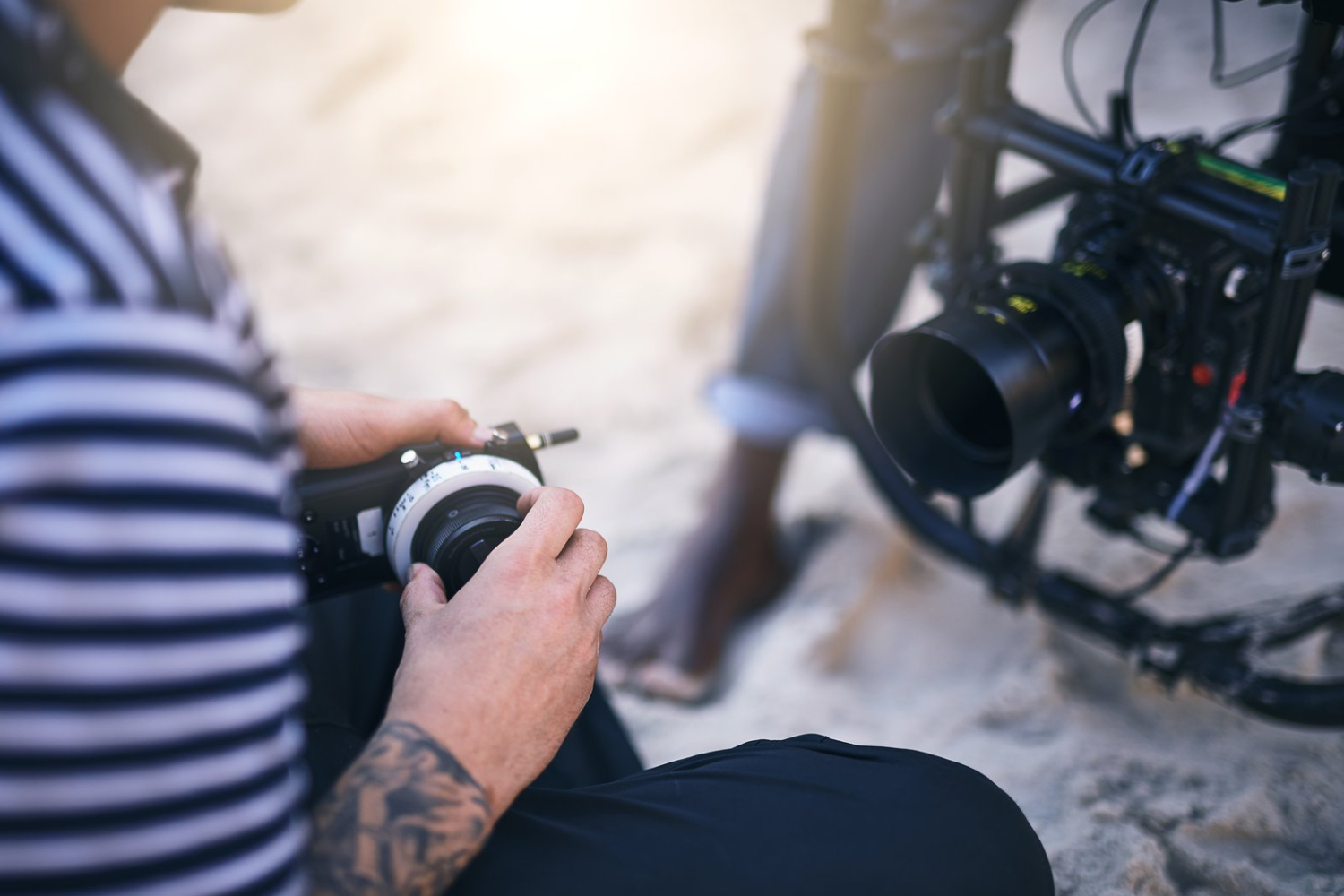
Handheld camera movements bring energy, realism, and intimacy to your videos. For freelance videographers in Chicago, mastering handheld techniques allows you to add dynamic storytelling elements while maintaining control over cinematic quality.
This guide explains how to use handheld camera movements creatively and effectively.
1. Understand Handheld Camera Work
Handheld shots involve holding the camera directly rather than using a tripod or dolly:
- Purpose: Adds realism, immerses the viewer, and creates a dynamic feel
- Common Uses: Action sequences, interviews, documentaries, or artistic shots
- Effect on Storytelling: Conveys intimacy, tension, or spontaneity
Understanding when and why to use handheld helps you make creative decisions.
2. Choose the Right Gear
Equipment can improve stability and control:
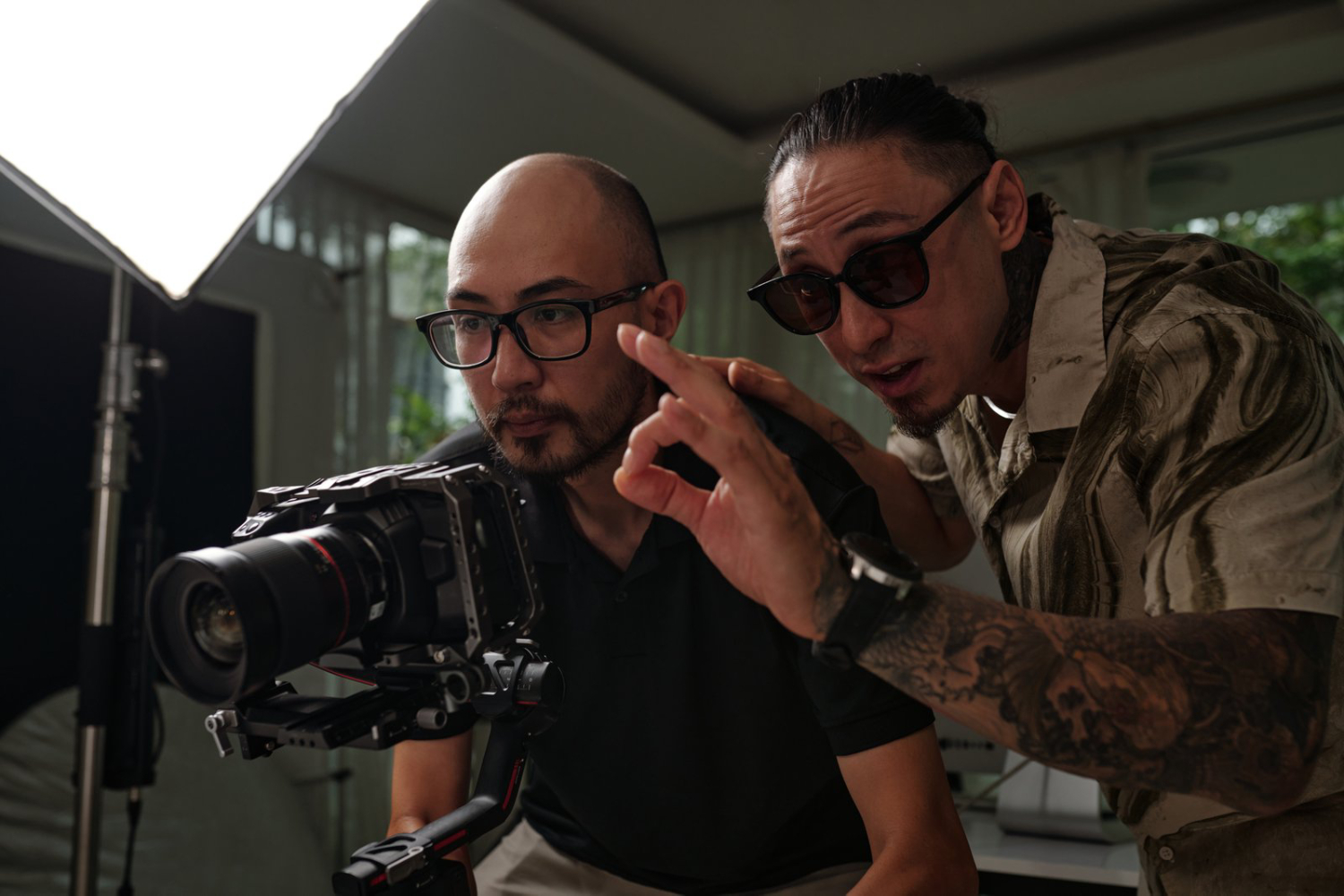
- Camera Rig: Lightweight rigs reduce fatigue and stabilize movement
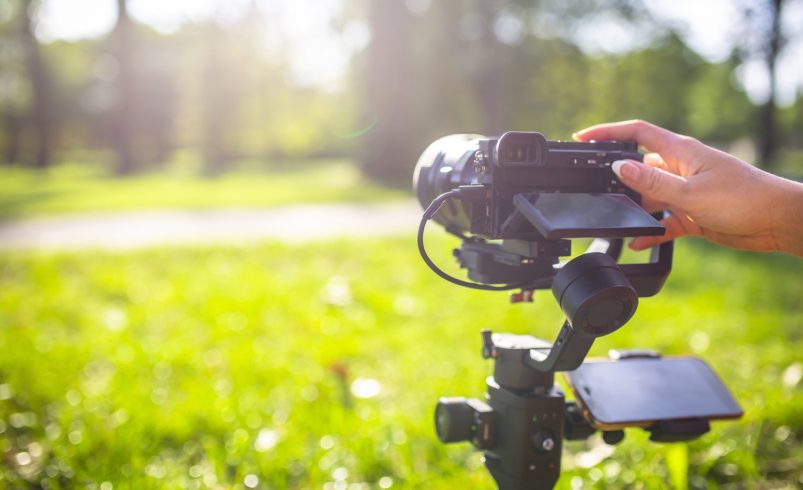
- Gimbals/Stabilizers: Smooth out motion while retaining handheld flexibility
- Lenses: Wider lenses help minimize shakiness visually
- Shoulder Mounts: Distribute weight and allow longer handheld shots comfortably
Proper gear ensures your handheld shots remain professional and smooth.
3. Master Grip and Posture
Your handling technique affects footage stability:
- Firm Grip: Hold the camera with both hands for better control
- Body Movement: Move from the knees or core rather than just arms
- Walking Technique: Heel-to-toe steps reduce bounce during motion
Good posture and grip create smoother, more controlled handheld shots.
4. Plan Your Movement
Even handheld shots benefit from pre-visualization:
- Path Mapping: Know where you’ll walk or move during the shot
- Framing: Keep subjects properly framed throughout motion
- Scene Goals: Determine what story or emotion each movement conveys
Planning reduces the risk of unnecessary retakes.
5. Embrace Creative Shakes and Motion
Unlike tripod shots, handheld allows intentional movement:
- Dynamic Action: Add energy to fight scenes, sports, or concerts
- Emotional Impact: Slight shakes can convey urgency, chaos, or realism
- Controlled Instability: Balance intentional motion with viewer comfort
Subtle handheld motion can enhance narrative without causing distraction.
6. Combine with Cinematic Techniques
Handheld movement works well with other techniques:
- Zoom & Focus: Adjust focus while moving for depth
- Panning & Tilting: Add vertical or horizontal shifts while handheld
- Tracking Subjects: Follow action closely for immersive storytelling
Integrating techniques enhances production value.
7. Manage Lighting and Exposure
Handheld shots may move through varying light:
- Auto Settings: Can help with changing lighting but may introduce inconsistencies
- Manual Adjustments: Prepare aperture, ISO, and shutter speed for different zones
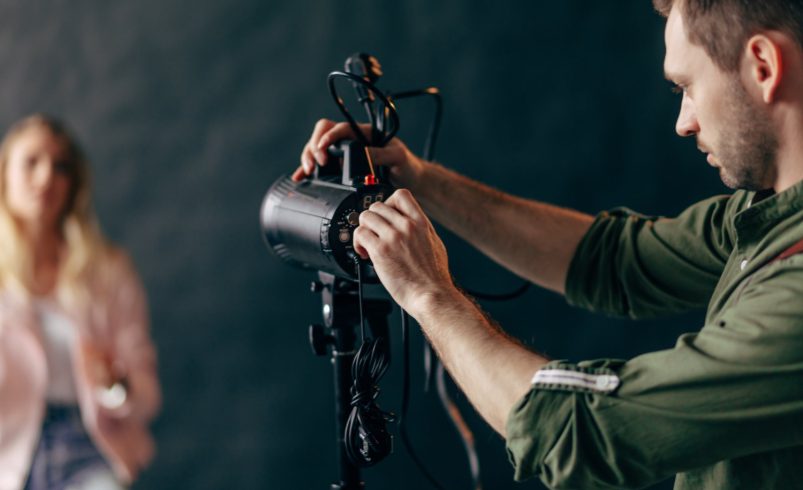
- Reflectors & LED Lights: Use portable lighting for consistent exposure
Proper lighting ensures handheld shots remain visually strong.
8. Stabilize in Post-Production if Needed
Even with care, handheld footage may need refinement:
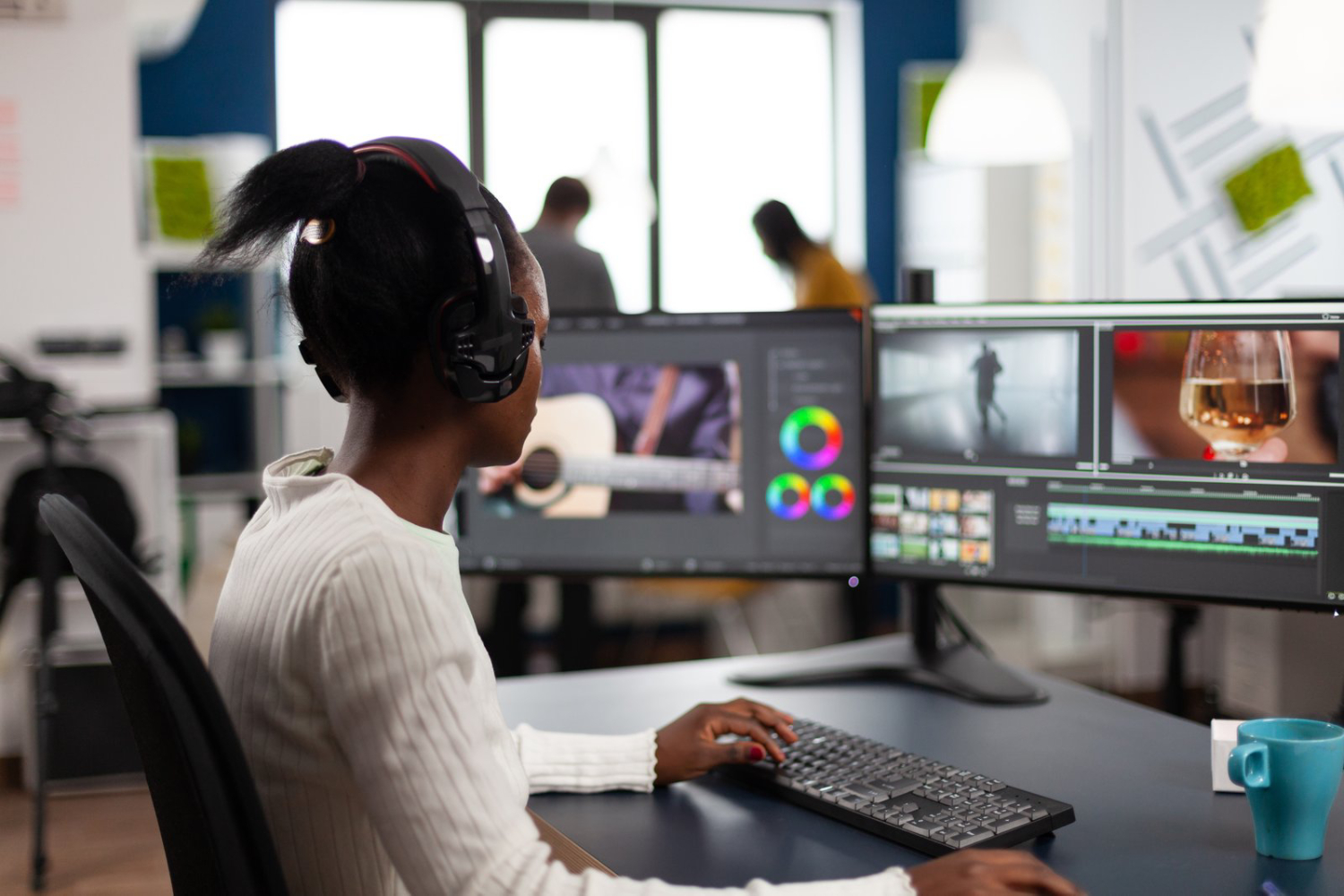
- Editing Software: Use stabilization features in Premiere Pro, Final Cut, or DaVinci Resolve
- Crop Slightly: Remove edges caused by movement
- Motion Blur: Add subtle blur to smooth unnatural jitters
Post-production can enhance handheld shots while retaining energy.
9. Practice and Experiment
Handheld creativity improves with practice:
- Experiment Paths: Try walking, running, or moving diagonally
- Test Angles: Low-angle or high-angle handheld shots add visual interest
- Analyze Footage: Learn what works visually and narratively
Frequent practice develops skill and instinct for dynamic handheld shots.
10. Final Thoughts
Handheld camera movements give Chicago videographers flexibility, creativity, and realism. By mastering grip, posture, movement planning, and combining handheld with other cinematic techniques, you can create immersive, dynamic videos that draw viewers in.
Used thoughtfully, handheld shots enhance storytelling, energy, and cinematic quality, making your projects feel alive and engaging.