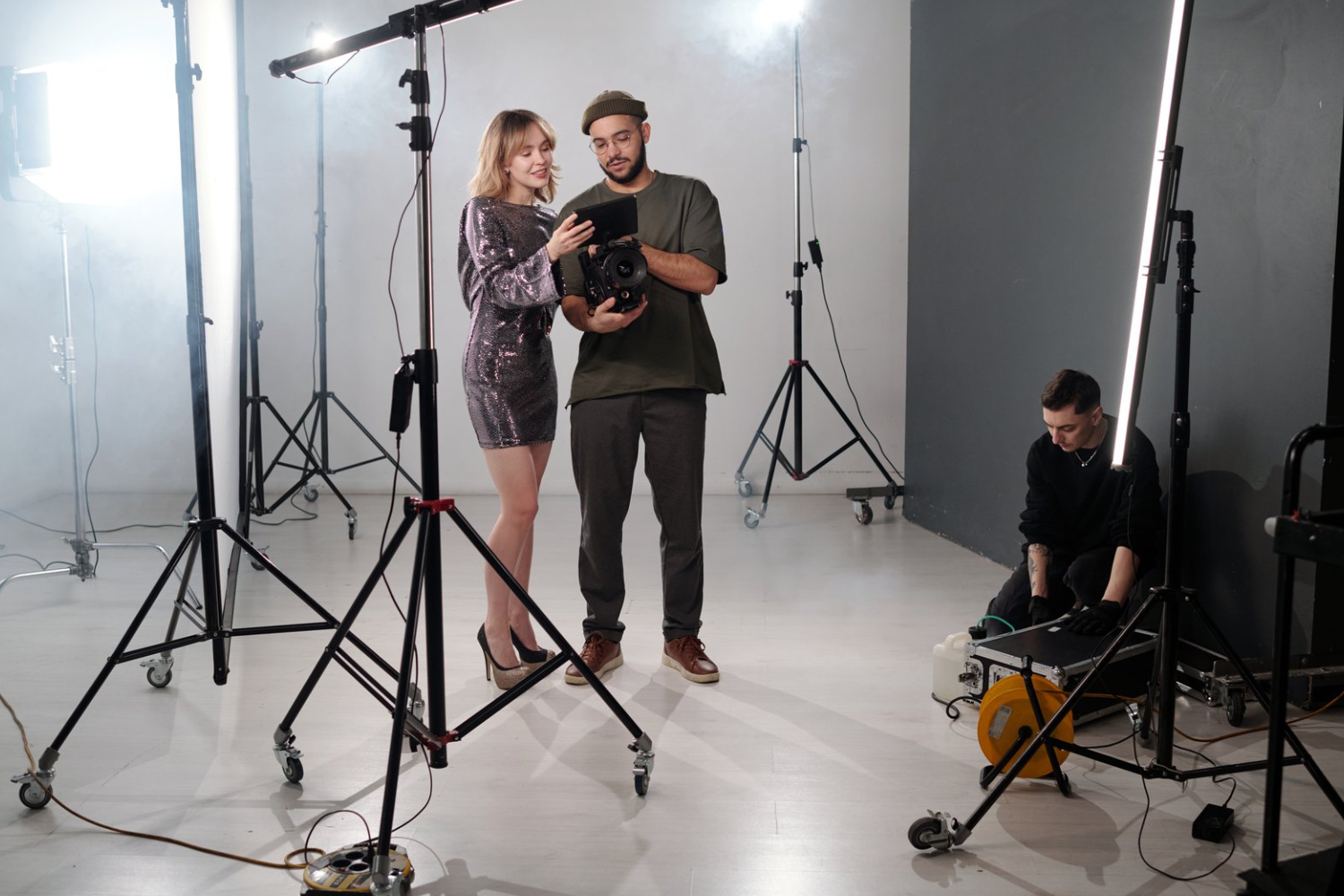
Outdoor video shoots offer a dynamic and visually stunning backdrop, but controlling lighting in natural environments can be challenging. Unlike indoor setups where you can manipulate light sources, outdoor videographers in Chicago must work with sunlight, weather, and environmental variables. Understanding how to use natural and supplemental lighting effectively is key to creating cinematic, professional-quality videos.
This guide covers practical techniques, equipment tips, and creative strategies for mastering outdoor lighting.
1. Understand Natural Light
The foundation of outdoor videography is natural light:
- Sun Position: The angle of the sun drastically affects shadows and highlights.
- Golden Hour: Short periods after sunrise and before sunset provide soft, warm light ideal for cinematic shots.
- Midday Sun: Bright and harsh, often creating strong shadows and overexposed highlights.
- Cloud Cover: Acts as a natural diffuser, softening light and reducing contrast.
Knowing how natural light behaves allows you to plan shoots for optimal visual results.
2. Use Reflectors to Control Light
Reflectors are essential for balancing outdoor light:
- Bounce Light: Direct sunlight or ambient light onto the subject to fill shadows.
- DIY Reflectors: White foam boards, aluminum foil, or silver/gold panels provide effective, low-cost solutions.
- Color Effects: Silver reflectors intensify highlights, gold adds warmth, white softens without color change.
- Positioning: Adjust angles to control shadow direction and intensity on faces or objects.
Reflectors help you sculpt natural light without complex setups.
3. Diffuse Harsh Sunlight
Direct sunlight can be too strong, especially during midday:
- Diffusion Panels: Translucent materials like silk or specialized diffusion sheets soften sunlight.
- DIY Options: White bedsheets or shower curtains can serve as temporary diffusers.
- Portable Pop-Ups: Compact diffusers can create even light for interviews or close-ups.
- Angle Awareness: Position diffusers to reduce glare without blocking ambient illumination entirely.
Diffused light produces flattering, cinematic results with minimal shadows.
4. Consider Backlighting and Rim Lighting
Backlighting adds depth and cinematic flair:
- Sun Behind the Subject: Creates a rim of light around hair, shoulders, or objects, separating them from the background.
- Fill Light Requirement: Use a reflector or portable light to illuminate the subject’s face to avoid silhouettes.
- Golden Hour Advantage: Natural rim lighting during sunrise or sunset is soft and visually appealing.
- Creative Composition: Backlighting enhances mood, silhouette effects, and dramatic storytelling.
Effective backlighting adds visual separation and a professional look to outdoor videos.
5. Supplemental Lighting Outdoors
Even outdoors, additional lighting can improve quality:
- LED Panels: Portable, battery-powered panels fill shadows or add highlights in shaded areas.
- On-Camera Lights: Small lights for subtle accents or close-ups.
- Bi-Color Lights: Adjustable color temperature matches warm sunlight or cooler shade.
- Battery Management: Outdoor shoots often lack power outlets, so portable lighting requires careful planning.
Supplemental lights help maintain consistent exposure and cinematic aesthetics in unpredictable environments.
6. Adjusting Camera Settings for Outdoor Lighting
Balancing exposure is critical for outdoor shoots:
- ISO: Keep low (100–400) to reduce noise in bright conditions.
- Aperture: Wide apertures for shallow depth of field; smaller apertures for landscape shots.
- Shutter Speed: Follow the 180-degree rule (double frame rate) to maintain natural motion blur.
- White Balance: Match sunlight (around 5600K) or shade (around 7000K) for accurate colors.
Proper camera settings ensure light is captured accurately and creatively.
7. Managing Shadows
Shadows can enhance or distract from your scene:
- Harsh Midday Shadows: Use reflectors or diffusion to soften shadows on faces.
- Dynamic Shadows: Use natural shadows creatively for dramatic storytelling.
- Shade Shooting: Move subjects to shaded areas to achieve more even exposure.
- Orientation: Change camera angles to minimize unflattering shadow patterns.
Controlling shadows is crucial for cinematic quality outdoors.
8. Understanding Light Direction
Directionality affects the mood and perception of your footage:
- Front Lighting: Evenly illuminates the subject but can feel flat.
- Side Lighting: Adds depth, texture, and drama.
- Backlighting: Creates separation and highlights edges.
- Top Lighting: Common during midday; often harsh, so supplemental tools or shade are needed.
Experimenting with angles can dramatically improve the visual impact of outdoor shots.
9. Handling Changing Weather
Weather affects light quality dramatically:
- Overcast Days: Provide diffuse, even lighting but may require supplemental light for key highlights.
- Sunny Days: Manage harsh shadows and highlights with diffusion or reflectors.
- Cloud Movement: Causes shifting light; plan for quick exposure adjustments or shooting in bursts.
- Rain and Fog: Can add cinematic mood but require protective gear for equipment.
Being adaptable ensures you capture high-quality footage regardless of conditions.
10. Using Natural Reflective Surfaces
Outdoor environments often have natural reflectors:
- Walls and Pavements: Bounce sunlight for subtle fill lighting.
- Water Surfaces: Create sparkling highlights and reflective effects.
- Light-Colored Buildings: Can soften shadows and increase ambient illumination.
- Snow or Sand: Highly reflective, providing natural fill light for even exposure.
Using the environment creatively reduces reliance on artificial equipment.
11. Golden Hour Techniques
Golden hour lighting provides cinematic quality with minimal equipment:
- Warm, Soft Light: Enhances skin tones and textures.
- Directional Shadows: Creates depth and visual interest.
- Rim and Backlight: Easily achieved during sunrise or sunset.
- Planning: Arrive early to capture the best angles and adjust quickly.
Golden hour is often the most cost-effective way to achieve cinematic outdoor lighting.
12. Using ND Filters
Neutral density (ND) filters control exposure in bright conditions:
- Prevent Overexposure: Essential for wide apertures in daylight.
- Maintain Motion Blur: Allows proper shutter speed for cinematic motion.
- Adjustable ND: Offers flexibility for changing sunlight intensity.
- Polarizing Effect: Some ND filters reduce glare and reflections from surfaces.
ND filters are indispensable tools for controlled outdoor shooting.
13. Color Temperature Considerations
Outdoor light varies throughout the day:
- Morning: Cooler tones, softer light.
- Midday: Bright, neutral light; can be harsh.
- Afternoon: Warmer tones as sun lowers.
- Sunset: Golden, cinematic light perfect for storytelling.
Adjusting camera white balance ensures consistent and aesthetically pleasing results.
14. Combining Natural and Artificial Light
Hybrid setups offer control and flexibility:
- Key Light: Sun as primary source.
- Fill Light: Reflector or portable LED to illuminate shadows.
- Backlight Accent: Supplementary LED for separation in challenging angles.
- Creative Effects: Gels or colored lights enhance cinematic storytelling outdoors.
Combining sources gives you professional results while keeping the natural look.
15. Safety and Equipment Protection
Outdoor shoots require careful planning:
- Weather Protection: Rain covers, umbrellas, and waterproof bags.
- Tripod Stability: Uneven terrain may need sandbags or weighted stands.
- Sun Exposure: Protect crew and talent from extended sun exposure.
- Power Management: Use battery backups for lighting and cameras.
Safety ensures uninterrupted production and protects valuable equipment.
16. Audio Considerations Outdoors
Outdoor audio recording must complement lighting:
- Directional Microphones: Reduce wind and ambient noise.
- Windshields: Foam or furry covers to prevent wind distortion.
- Lavalier Placement: Ensure clothing doesn’t rub and create noise.
- Monitor Sound: Headphones are essential to catch issues immediately.
Good audio ensures your cinematic outdoor visuals are fully professional.
17. Creative Outdoor Lighting Effects
Use light to enhance storytelling outdoors:
- Silhouettes: Position subjects against the sun for dramatic effect.
- Shadows and Patterns: Use natural objects like trees or architecture.
- Lens Flares: Controlled sunlight can create cinematic flares.
- Backlit Portraits: Emphasize depth and subject isolation.
Creative lighting adds unique style and elevates visual storytelling.
18. Quick Setup Tips for Outdoor Shoots
Efficiency is key in dynamic environments:
- Scout Locations: Identify sun position and potential shadows in advance.
- Portable Equipment: Use lightweight tripods, lights, and reflectors.
- Test Shots: Capture test footage to adjust exposure and lighting.
- Backup Plans: Have alternate angles or diffusers ready for unexpected changes.
Preparation maximizes efficiency and quality.
19. Iterative Adjustments
Outdoor lighting is rarely static:
- Observe Sun Movement: Adjust angles and reflectors as light changes.
- Monitor Camera Histogram: Ensure consistent exposure.
- Reposition Lights: Modify supplemental lights for optimal balance.
- Continuous Review: Playback clips to confirm cinematic quality.
Iteration ensures professional results despite changing conditions.
20. Conclusion
Outdoor videography offers incredible visual potential, but controlling light is challenging. By understanding natural light, utilizing reflectors and diffusers, supplementing with portable lights, and planning for dynamic conditions, Chicago videographers can create cinematic, professional outdoor videos.
Mastering techniques like golden hour shooting, hybrid lighting, and creative use of natural reflectors ensures your footage stands out. Paired with proper audio capture, your outdoor shoots will achieve the polished, cinematic quality needed to impress clients and audiences alike.