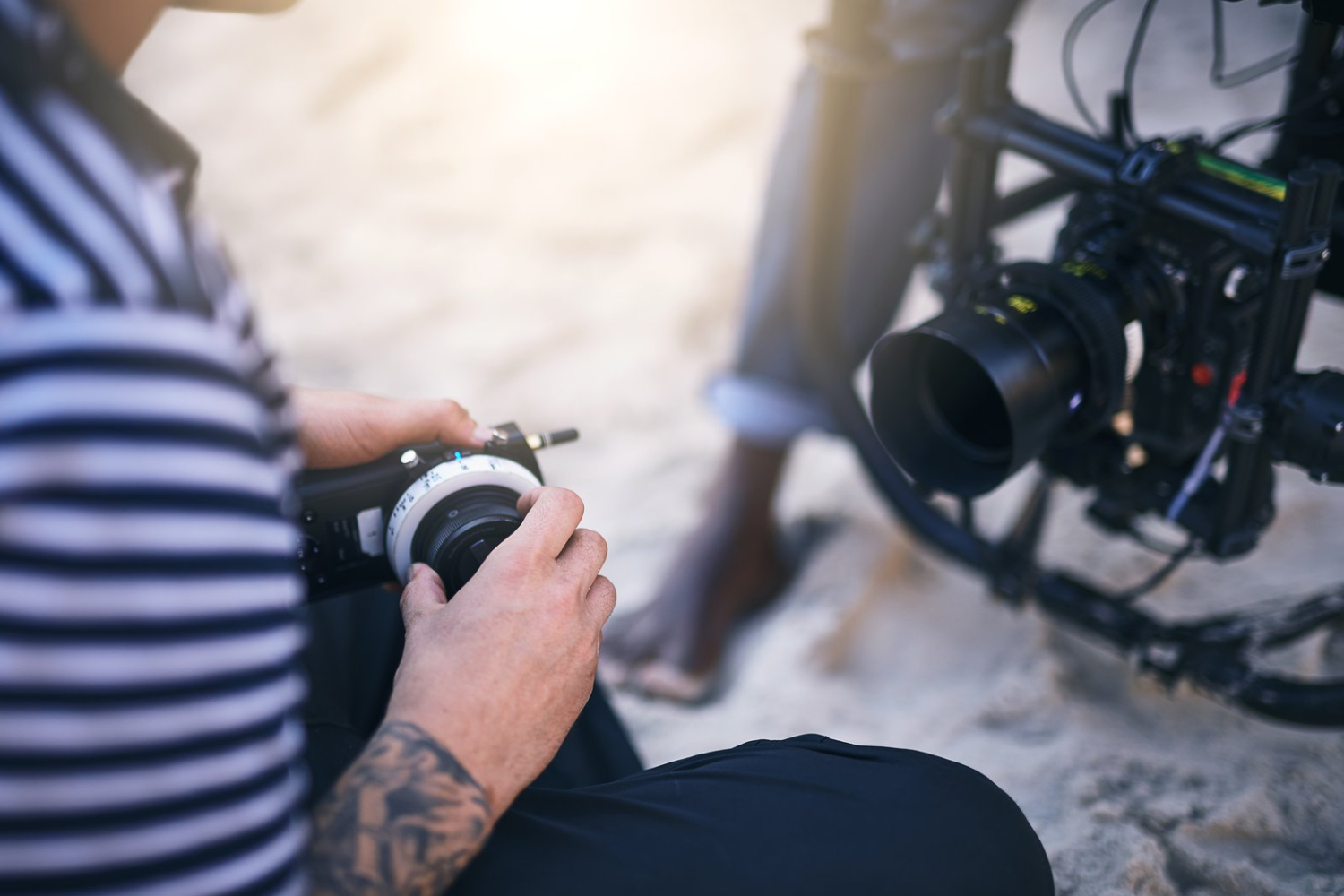
Creative camera angles can transform ordinary footage into visually compelling videos. For freelance videographers in Chicago, experimenting with angles adds style, depth, and professional polish to every project.
This guide explores unique angles, their purposes, and how to apply them effectively.
1. High-Angle Shots
High-angle shots position the camera above the subject:
- Effect: Makes subjects appear smaller, vulnerable, or overwhelmed
- Use Cases: Dramatic storytelling, establishing shots, crowd scenes
- Execution: Use ladders, drones, or tall tripods for elevation
High angles add visual perspective and emotional context.
2. Low-Angle Shots
Low-angle shots place the camera below the subject:
- Effect: Makes subjects appear powerful, dominant, or heroic
- Use Cases: Character introductions, action sequences, architecture
- Execution: Position camera near the ground, tilt upward, or use sliders
Low angles create dramatic impact and draw viewer attention.
3. Dutch or Tilted Angles
Dutch angles tilt the camera diagonally:
- Effect: Creates tension, unease, or a dynamic look
- Use Cases: Thrillers, suspense, creative storytelling
- Execution: Slightly rotate tripod or handheld camera for subtle effect
This angle adds energy and stylistic flair when used sparingly.
4. Over-the-Shoulder Shots
Over-the-shoulder (OTS) shots frame subjects from behind another person:
- Effect: Shows perspective, dialogue, or interaction
- Use Cases: Interviews, conversations, storytelling scenes
- Execution: Position camera behind the subject, focus on the person being addressed
OTS shots create intimacy and contextual perspective.
5. Point-of-View (POV) Shots
POV shots simulate the subject’s view:
- Effect: Immerses the audience directly into the action
- Use Cases: Action, adventure, travel, or immersive experiences
- Execution: Use body-mounted rigs, handheld cameras, or steady POV setups
POV angles increase engagement and make scenes feel personal.
6. Bird’s Eye View
A true overhead shot looking straight down:
- Effect: Offers a unique perspective, shows scale or layout
- Use Cases: Cityscapes, choreographed movement, product shots
- Execution: Use drones, cranes, or elevated platforms for safe shooting
Bird’s eye angles give a fresh, cinematic viewpoint rarely seen at eye level.
7. Extreme Close-Ups
Focus on a small detail or feature:
- Effect: Highlights emotion, texture, or important details
- Use Cases: Reactions, objects, product videos
- Execution: Use macro lenses or zoom carefully for clarity
Extreme close-ups draw attention to what matters most in your scene.
8. Wide Shots with Creative Framing
Wide shots capture the environment while integrating the subject:
- Effect: Shows context, scale, and visual composition
- Use Cases: Landscapes, architecture, establishing scenes
- Execution: Use lenses, placement, and perspective to frame subjects creatively
Wide shots balance storytelling and visual aesthetics.
9. Experiment with Unconventional Perspectives
Try angles that break traditional framing:
- Low-to-Ground Shots: Follow objects or people closely
- Behind Obstacles: Shoot through leaves, windows, or structures
- Reflections and Shadows: Use mirrors, puddles, or glass surfaces
Unconventional perspectives make footage memorable and cinematic.
10. Final Thoughts
Unique camera angles empower Chicago videographers to make videos visually striking. By incorporating high, low, tilted, POV, over-the-shoulder, and creative framing, your work gains style, narrative depth, and professional polish.
Experimenting with angles encourages storytelling innovation, helping your videos stand out in competitive visual media.