Understanding the difference between wide, medium, and close-up shots is essential for creating cinematic videos. For freelance videographers in Chicago, using these shot types effectively ensures visual variety, narrative clarity, and emotional impact.
This guide explains how to use each shot type strategically to enhance storytelling.
1. Wide Shots
Wide shots, also known as long shots, capture the subject along with their environment:
- Purpose: Establish context, show scale, and provide spatial awareness
- Use Cases: Landscapes, cityscapes, group scenes, establishing shots
- Tips for Execution:
- Use wide lenses or step back from the subject
- Include key environmental elements to tell a story
- Ensure subjects remain visible and not lost in the background
Wide shots set the scene and give viewers a sense of place.
2. Medium Shots
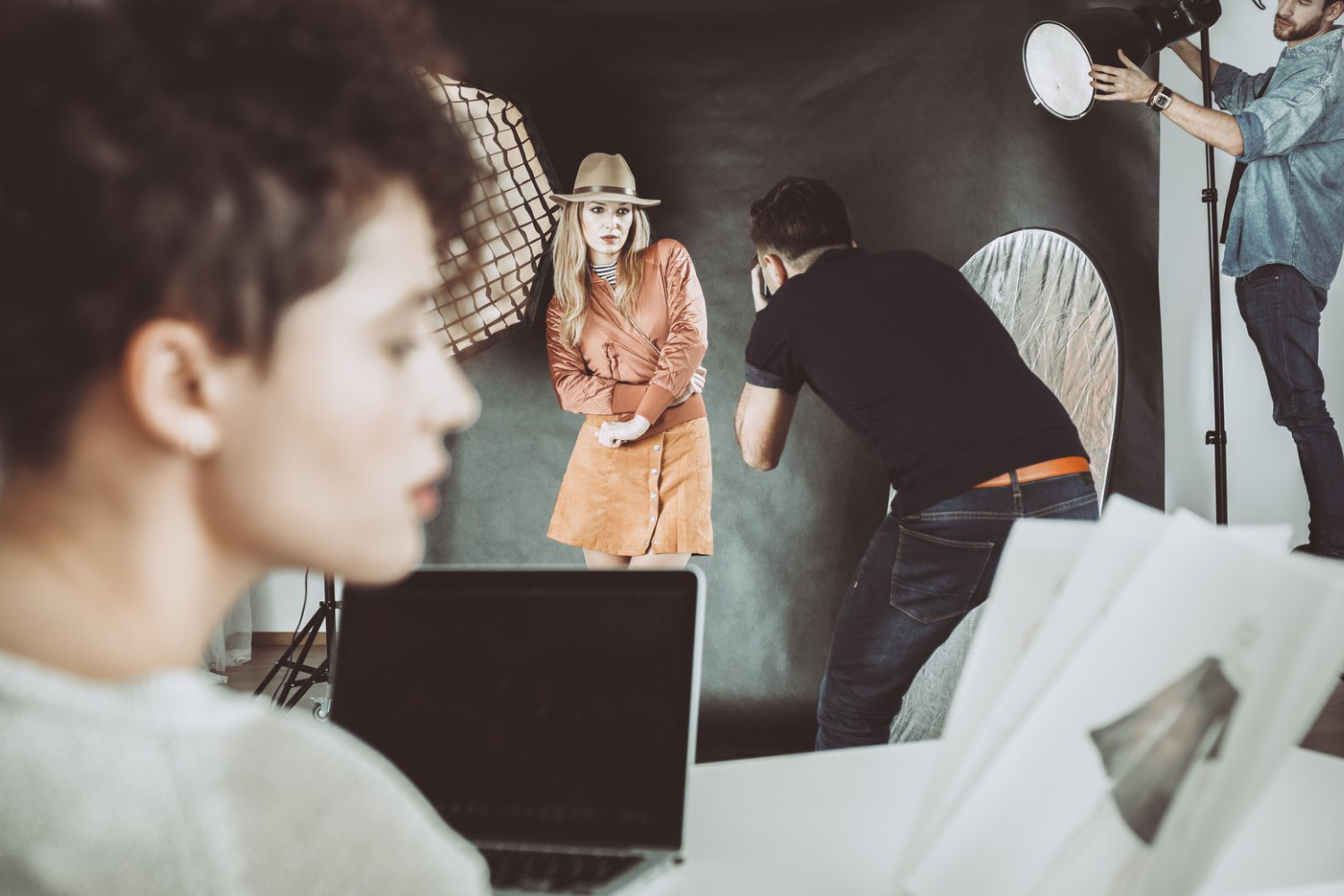
Medium shots frame subjects from the waist up or mid-body:
- Purpose: Highlight interaction, gestures, and body language
- Use Cases: Interviews, conversations, action sequences
- Tips for Execution:
- Keep subjects centered or follow the rule of thirds
- Maintain clear focus and depth of field
- Use medium shots to connect characters with their surroundings
Medium shots balance subject detail with context, making them ideal for storytelling.
3. Close-Up Shots
Close-ups focus on a specific subject or detail:
- Purpose: Convey emotion, emphasize details, or draw attention
- Use Cases: Facial expressions, hands, objects, reactions
- Tips for Execution:
- Use macro lenses or zoom carefully for sharp focus
- Highlight critical narrative elements
- Combine with lighting to enhance texture and mood
Close-ups create intimacy and highlight what’s most important in a scene.
4. Combining Shot Types
Effective videos use a mix of wide, medium, and close-up shots:
- Visual Variety: Keeps the audience engaged with dynamic framing
- Storytelling Rhythm: Transition between shots to match pacing and emotion
- Emphasis: Use close-ups for key moments after wide establishing shots
Combining shots allows for professional, cinematic storytelling.
5. Planning Shots for Scenes
Planning ensures each shot type serves the narrative:
- Storyboards: Map wide, medium, and close-up shots for each scene
- Shot Lists: Include lens choices, angles, and movement
- Scene Flow: Sequence shots to guide viewer focus naturally
Pre-planning maintains visual coherence and efficient shooting.
6. Framing and Composition Tips
- Wide Shots: Include leading lines, foreground, and background elements
- Medium Shots: Maintain balanced headroom and natural framing
- Close-Ups: Focus on essential details and avoid cluttered backgrounds
Thoughtful composition strengthens the impact of each shot.
7. Lighting Considerations
Different shot types require careful lighting:
- Wide Shots: Even lighting to cover larger areas
- Medium Shots: Highlight subjects while preserving context
- Close-Ups: Use soft lighting to emphasize features or details
Proper lighting ensures clarity, mood, and cinematic quality.
8. Movement with Shot Types
Camera movement enhances each shot type:
- Wide Shots: Slow pans or tilts to reveal the environment
- Medium Shots: Slight tracking or handheld motion for natural flow
- Close-Ups: Minimal movement or subtle push-ins for emphasis
Movement adds dynamism and depth to your footage.
9. Editing for Maximum Impact
Sequencing wide, medium, and close-up shots improves storytelling:
- Start Wide: Establish the scene
- Move to Medium: Introduce interaction and context
- Finish Close-Up: Emphasize emotion or critical details
Editing shot types strategically creates narrative flow and visual interest.
10. Final Thoughts
Mastering wide, medium, and close-up shots is crucial for Chicago videographers aiming for cinematic quality. Using these shot types effectively adds depth, emotion, and visual variety to your videos.
A balanced mix, combined with planning, composition, and movement, ensures your projects are engaging, professional, and visually compelling.