The videography landscape is constantly evolving. In 2026, Chicago videographers are seeing transformative trends driven by technology, creative experimentation, and shifting audience expectations. Staying ahead of these trends ensures your work remains relevant, engaging, and commercially viable. This guide explores the most influential developments shaping the industry, from AI-assisted editing to social media styles and cinematic techniques.
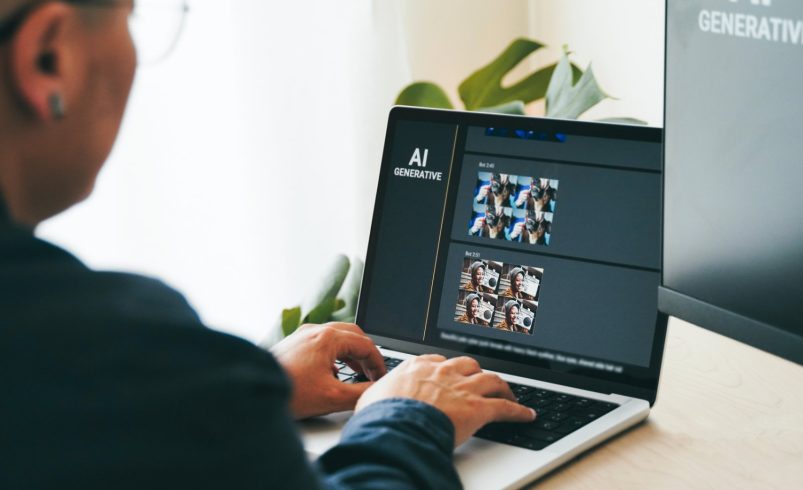
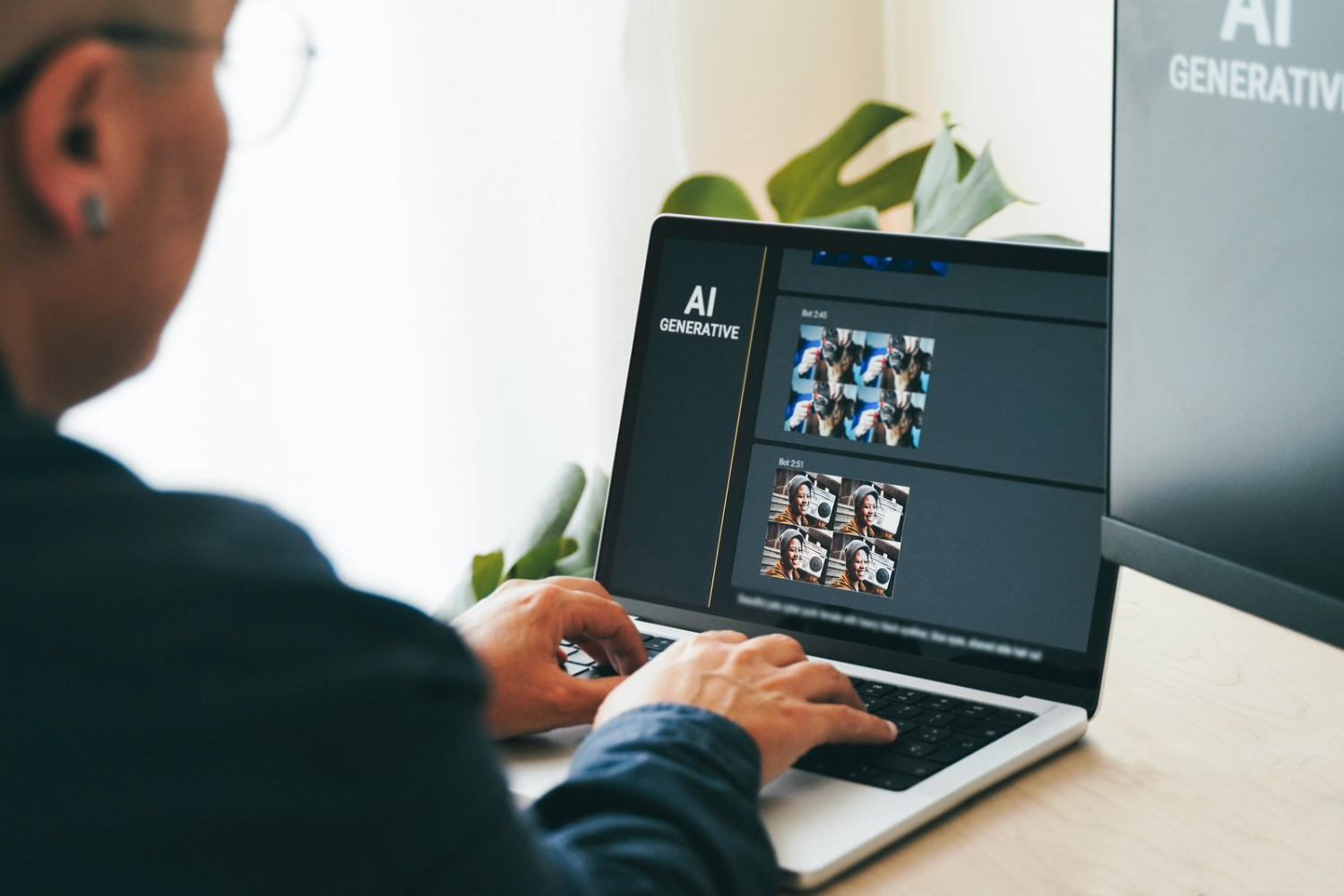
1. AI-Enhanced Video Editing
Artificial intelligence is revolutionizing how videos are produced:
- Automated Editing: Tools like AI-assisted cut detection, scene recognition, and color grading reduce editing time significantly.
- Content Suggestions: AI can recommend transitions, music, and pacing based on the video’s theme or intended platform.
- Speech-to-Text and Subtitles: AI generates accurate captions, enhancing accessibility and engagement.
- Quality Enhancement: Upscaling, stabilization, and noise reduction are now automated in many software programs.
By integrating AI, videographers can focus more on storytelling and creativity while streamlining technical processes.
2. Vertical Video and Mobile-First Content
Social media platforms continue to influence shooting formats:
- TikTok and Instagram Reels: Vertical videos dominate, requiring adaptation of framing and composition.
- Short-Form Content: Quick, attention-grabbing clips are essential for engagement.
- Adaptive Shooting Techniques: Framing, camera movement, and lighting must consider vertical aspect ratios.
- Cross-Platform Distribution: Videos often need repurposing for multiple platforms without losing quality.
Vertical video is no longer an option—it’s a necessity for modern videography.
3. Cinematic Storytelling in Short Form
Even short-form videos are embracing cinematic principles:
- Story Arcs in Seconds: Narrative-driven content captures attention in less than a minute.
- Visual Techniques: Slow motion, tracking shots, and creative angles make short clips feel cinematic.
- Emotional Hooks: Music, pacing, and color grading create impactful storytelling.
- Platform Optimization: Understanding audience behavior ensures maximum engagement.
Cinematic techniques elevate short-form content, making it shareable and memorable.
4. Immersive Video Experiences
360° videos, AR, and VR are gaining traction:
- 360° Cameras: Capture interactive experiences for tourism, real estate, and event coverage.
- AR Overlays: Incorporate graphics, effects, or information within live video.
- VR Storytelling: Virtual reality offers fully immersive narratives for training, entertainment, or marketing.
- Integration Challenges: Requires careful planning, spatial audio, and specialized editing tools.
Immersive formats allow videographers to deliver content that goes beyond traditional viewing experiences.
5. Multi-Camera and Live Streaming
Live streaming and multi-camera setups remain in high demand:
- Corporate Events: Real-time streaming of conferences, webinars, and product launches.
- Weddings and Concerts: Multiple angles create dynamic live experiences.
- Interactive Features: Audience polls, Q&A, and live reactions enhance engagement.
- Professional Workflow: Coordinating multiple cameras, audio feeds, and live encoding requires advanced planning.
Combining live streaming with cinematic techniques provides professional-quality broadcasts.
6. Experimental Cinematic Techniques
Creativity drives modern videography:
- Drone Cinematography: Unique aerial perspectives for landscapes, real estate, and events.
- Hyperlapse and Time-Lapse: Capture time and movement dynamically.
- Lens Choices: Creative lens selection adds storytelling depth, from wide to macro.
- Color Grading Innovation: Stylized looks and LUTs enhance visual identity.
Experimentation with techniques creates videos that stand out and push artistic boundaries.
7. Story-Driven Social Media Content
Social media is increasingly narrative-focused:
- Personal Branding: Creators share their story with authentic video content.
- Mini-Documentaries: Short-form storytelling that conveys value or emotion.
- Trends and Challenges: Innovative approaches to trending topics keep content relevant.
- Engagement Metrics: Understanding analytics helps refine storytelling strategies.
Story-driven content balances creativity and strategy for audience retention.
8. AI-Powered Motion Graphics and Effects
Visual effects are becoming smarter and more accessible:
- AI Generators: Automatically create visual overlays, transitions, or motion graphics.
- Automatic Rotoscoping: Quickly isolate subjects for effects or backgrounds.
- Enhanced Animation: Integrate animated elements seamlessly with live footage.
- Time Savings: Reduces hours of manual work, allowing more focus on creative decisions.
AI transforms VFX from a specialized skill to an accessible tool for all videographers.
9. Sustainable Videography Practices
Eco-conscious production is trending:
- Energy-Efficient Equipment: Battery-powered LEDs and solar-powered gear reduce carbon footprint.
- Minimalist Setups: Lighter, smaller rigs reduce travel and production resources.
- Recyclable Materials: Using sustainable production materials supports environmental responsibility.
- Local Shooting: Reduces transportation emissions and promotes local talent.
Sustainability aligns with audience values and ethical industry practices.
10. Cinematic Drone Innovations
Drones continue to shape aerial storytelling:
- AI-Assisted Flight: Automated tracking and obstacle avoidance improve safety and precision.
- Cinematic Motion: Smooth aerial pans, reveals, and tracking shots elevate video aesthetics.
- Compact Drones: Smaller models make aerial footage accessible to more creators.
- Creative Angles: Combine drone movement with on-ground camera work for cinematic variety.
Drone cinematography is a staple for dynamic storytelling in 2026.
11. Cross-Media Integration
Videos are increasingly integrated across platforms:
- Podcast Integration: Video content repurposed for audio-first platforms.
- Interactive Posts: Embed videos into blogs, websites, and e-learning platforms.
- Transmedia Storytelling: Narratives span multiple channels, connecting short-form, long-form, and interactive media.
- Analytics-Driven Decisions: Tracking cross-platform performance informs creative strategies.
Cross-media integration maximizes the reach and impact of videography projects.
12. Real-Time AI Color Grading
AI color grading streamlines creative workflows:
- Automatic Matching: AI can harmonize colors across multiple shots for consistency.
- Style Emulation: Recreate the color palette of iconic films or trending aesthetics.
- Dynamic Adjustment: AI adapts grading for changing light conditions during a shoot.
- Speed and Precision: Saves hours while maintaining cinematic quality.
AI-powered grading keeps visuals polished and professional with minimal manual effort.
13. Remote Collaboration and Cloud Workflows
Remote production tools are now essential:
- Cloud Editing: Teams can access footage, edit collaboratively, and review in real time.
- Virtual Review: Clients can give feedback online, reducing the need for in-person meetings.
- Global Teams: Enables diverse skill sets across locations for larger-scale projects.
- Version Control: Cloud systems track changes, ensuring seamless workflow management.
Remote workflows expand creative possibilities and efficiency.
14. Data-Driven Video Optimization
Analytics influence creative decisions:
- Engagement Metrics: Watch time, completion rate, and interaction guide content strategies.
- Heatmaps: Visualize which scenes capture attention to improve pacing and framing.
- Content Testing: A/B testing different edits or music tracks optimizes viewer response.
- Platform Insights: Tailor videos to specific algorithms for maximum reach.
Data-driven approaches ensure videos are effective, not just visually appealing.
15. Niche Content Specialization
Creators focus on specialized verticals:
- Local Expertise: Highlighting Chicago landmarks, events, and businesses builds audience loyalty.
- Industry Focus: Corporate, educational, or event-specific videos cater to target audiences.
- Unique Styles: Developing signature visual or editing styles differentiates creators.
- Community Engagement: Tailored content strengthens brand and social connections.
Specialization allows videographers to become go-to experts in their niches.
16. AI in Scriptwriting and Storyboarding
AI tools now assist pre-production:
- Script Generation: AI suggests dialogue, pacing, or scene structure.
- Storyboard Automation: Visualizes shot sequences based on script input.
- Creative Brainstorming: AI proposes innovative angles, camera movements, or scene ideas.
- Time Efficiency: Speeds up planning, enabling more focus on filming quality.
Integrating AI in pre-production accelerates workflow without sacrificing creativity.
17. Hybrid Live-Action and CGI
Blending live-action footage with computer-generated imagery is trending:
- Augmented Reality Effects: Enhance real-world footage with animated elements.
- Cinematic Compositing: Seamlessly merge live and virtual sets for storytelling.
- Marketing Videos: Brands use CGI to visualize products and experiences creatively.
- Accessible Software: Tools make CGI more approachable for small teams.
Hybrid techniques expand storytelling possibilities for videographers in 2026.
18. Personalized and Interactive Videos
Interactivity drives engagement:
- Choose-Your-Own-Adventure: Viewers control narrative outcomes.
- Interactive Overlays: Clickable options for products, locations, or information.
- Tailored Content: AI adapts videos for specific viewer demographics or behaviors.
- Gamification: Integrates challenges, rewards, or quizzes to increase retention.
Interactive content turns passive viewing into immersive experiences.
19. Minimalist and Authentic Aesthetics
Trends favor realism over hyper-polished visuals:
- Handheld and Natural Lighting: Creates intimacy and relatability.
- Authentic Performances: Focus on genuine reactions rather than staged moments.
- Simplified Editing: Fewer effects, cleaner transitions, and natural pacing.
- Audience Connection: Authentic aesthetics resonate with modern viewers, especially on social media.
Minimalism allows storytelling and emotion to shine without distractions.
20. Conclusion
Videography in 2026 blends technology, creativity, and strategy. From AI-assisted editing to vertical video, cinematic short-form storytelling, immersive experiences, and hybrid live-action/CGI techniques, staying current ensures your work remains relevant. For videographers in Chicago, adopting trends like AI, sustainable production, interactive content, and personalized storytelling positions your brand and content for maximum impact.
Embracing these trends enhances creativity, improves workflow efficiency, and ensures that every video produced captivates audiences, engages communities, and maintains professional excellence in a rapidly evolving industry.