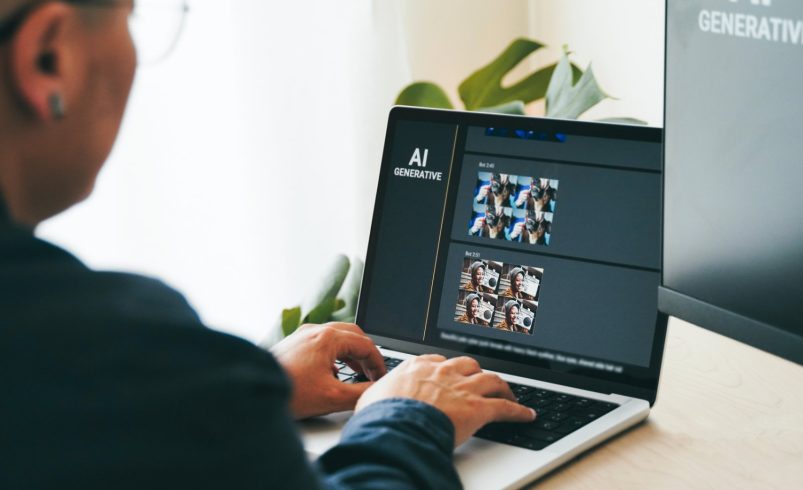
Artificial intelligence (AI) is no longer just a futuristic concept—it is actively transforming the way videographers and filmmakers in Chicago create, edit, and distribute content. From pre-production planning to post-production finishing touches, AI tools are streamlining workflows, enhancing creative possibilities, and making high-level techniques accessible to creators of all skill levels. This guide explores the profound ways AI is changing video production in 2026.
1. AI in Pre-Production Planning
Pre-production sets the foundation for every video project. AI helps streamline this process:
- Script Assistance: AI tools can generate scripts based on brief inputs, suggest dialogue, and even optimize pacing for different platforms.
- Storyboarding Automation: AI can transform a script into visual storyboards, illustrating shot composition, camera angles, and scene sequences.
- Shot List Generation: Automatically generates detailed shot lists, including suggestions for lighting, lenses, and movements.
- Scheduling & Resource Planning: AI predicts shooting times, location availability, and crew requirements based on project parameters.
By using AI during pre-production, filmmakers can focus more on creative storytelling rather than logistics.
2. Intelligent Editing Tools
AI-powered editing is revolutionizing post-production workflows:
- Automated Clip Selection: AI identifies the best takes, saving hours of manual review.
- Scene Detection: Recognizes scene changes and organizes footage for faster editing.
- Auto-Color Grading: AI applies color corrections to maintain visual consistency across shots.
- Noise Reduction & Stabilization: Automatically removes audio hiss and smooths shaky footage.
These tools allow editors to focus on creative decisions, rather than repetitive technical adjustments.
3. AI-Driven Audio Enhancement
Audio is as important as visuals, and AI is enhancing it dramatically:
- Dialogue Isolation: AI separates dialogue from background noise for clearer speech.
- Automatic Subtitling: Generates accurate captions for accessibility and engagement.
- Adaptive Music Sync: AI can adjust background music dynamically to match scene pacing or emotional beats.
- Sound Effects Suggestions: Recommends suitable sound effects based on scene context.
Improved audio quality through AI makes videos more immersive and professional.
4. Visual Effects and Motion Graphics
AI simplifies complex visual effects processes:
- Automated Rotoscoping: Quickly isolates subjects for compositing or background replacement.
- Object Tracking: AI tracks objects or people, reducing manual keyframing work.
- Motion Graphics Generation: AI can create dynamic graphics, titles, and overlays based on video content.
- Realistic CGI Integration: Blends live-action and computer-generated imagery seamlessly.
These innovations allow filmmakers to produce visually stunning content faster and with smaller teams.
5. AI in Camera Assistance
AI is not just for post-production—it is increasingly embedded in cameras:
- Smart Auto-Focus & Tracking: Cameras can follow subjects intelligently, maintaining sharp focus in complex movements.
- Scene Recognition: Automatically adjusts exposure, ISO, and white balance based on the scene type.
- Framing Suggestions: Provides recommendations for composition, angles, and rule-of-thirds alignment.
- Predictive Motion Compensation: Smooths out motion for cinematic-quality footage.
AI-enabled cameras reduce technical errors and enhance creative flexibility on set.
6. Automated Social Media Optimization
AI optimizes videos for online platforms:
- Aspect Ratio Adaptation: Converts horizontal footage to vertical or square formats for social media.
- Highlight Generation: Automatically selects the most engaging moments for reels or clips.
- Trend Analysis: AI predicts trending topics, sounds, or styles to inform creative direction.
- Metadata Optimization: Suggests keywords, captions, and hashtags to maximize reach.
AI ensures videos are tailored for engagement across multiple platforms.
7. Personalized and Interactive Content
AI makes video content adaptive and interactive:
- Viewer-Based Personalization: Customizes content based on viewer demographics or preferences.
- Interactive Video Elements: AI enables clickable options, choose-your-own-adventure formats, and branching narratives.
- Real-Time Adaptation: Changes video sequences dynamically depending on viewer engagement.
- Gamified Experiences: Introduces challenges or interactive quizzes to maintain attention.
Interactive AI-powered content increases viewer retention and engagement.
8. AI in Film Marketing
Promotion is also evolving with AI:
- Trailer Generation: AI creates trailers by selecting high-impact scenes automatically.
- Teaser Customization: Generates multiple versions tailored to different social media platforms.
- Audience Insights: Analyzes engagement metrics to optimize marketing strategy.
- Predictive Performance: Uses historical data to forecast which content will perform best.
AI-driven marketing ensures videos reach their audience efficiently and effectively.
9. Ethical Considerations and AI
AI introduces new ethical questions:
- Deepfake Risks: AI can manipulate footage convincingly, raising authenticity concerns.
- Ownership & Licensing: Clarifying rights for AI-generated content is essential.
- Bias in Tools: AI may reflect biases present in training data, affecting visual or narrative outcomes.
- Transparency: Filmmakers should disclose AI-generated content when appropriate.
Awareness and ethical use of AI ensure credibility and professionalism.
10. Democratization of Filmmaking
AI is lowering barriers to entry:
- Small Teams & Solo Creators: AI enables high-quality production without large crews.
- Reduced Costs: Automation minimizes post-production time, saving resources.
- Creative Experimentation: AI tools allow creators to try advanced techniques with minimal experience.
- Education: AI-assisted tutorials and suggestions accelerate skill development.
As AI becomes mainstream, more filmmakers can produce content at a professional standard.
11. AI in Storytelling
AI enhances narrative development:
- Character and Plot Suggestions: Offers alternative narrative paths or character arcs.
- Mood Analysis: AI assesses tone and emotional resonance of scenes to guide creative choices.
- Script Optimization: Suggests dialogue edits, pacing improvements, or scene reordering.
- Audience Testing: AI predicts emotional response based on data-driven analysis.
Storytelling becomes more precise, compelling, and audience-focused.
12. Predictive Editing and Smart Cuts
Editing decisions are increasingly AI-driven:
- Automated Scene Transitions: Smooth cuts based on motion, audio, or content.
- Highlight Reel Compilation: AI identifies key moments for promotional use.
- Consistency Checks: Ensures visual and audio continuity throughout the project.
- Error Detection: Flags potential issues such as missed cuts, shaky footage, or audio spikes.
Predictive editing reduces post-production bottlenecks and enhances video quality.
13. AI in Color Grading
Color grading is streamlined with AI:
- Automatic Color Matching: Ensures visual consistency across shots.
- Style Emulation: Recreates the look of iconic films or trending aesthetics.
- Dynamic Adjustment: Adapts grading for varying lighting conditions within scenes.
- Creative Flexibility: Suggests alternative palettes for experimental storytelling.
AI-assisted grading ensures cinematic quality while saving hours of manual work.
14. Enhanced Accessibility
AI promotes inclusive filmmaking:
- Real-Time Captioning: Generates subtitles automatically for multiple languages.
- Audio Description: AI can produce narrations for visually impaired audiences.
- Language Localization: Automatically translates dialogue while preserving lip-sync.
- Accessibility Compliance: Ensures videos meet global standards for inclusive media.
Accessible content reaches broader audiences and reflects social responsibility.
15. Limitations and Challenges
AI is powerful but not perfect:
- Creativity Boundaries: AI cannot replace human intuition or emotional judgment.
- Over-Reliance Risk: Excessive dependence on AI may lead to homogenized content.
- Learning Curve: Some AI tools require training to use effectively.
- Cost of Advanced Tools: High-end AI software can be expensive for small creators.
Awareness of these limitations ensures AI complements rather than replaces human creativity.
16. Hybrid AI-Human Workflows
The best results combine AI and human expertise:
- AI-Assisted Drafts: Use AI to create first cuts or suggestions.
- Human Refinement: Editors refine pacing, emotion, and visual storytelling.
- Collaborative Creativity: AI handles repetitive tasks while humans focus on vision.
- Feedback Loops: Iterative adjustments enhance both efficiency and artistic quality.
Hybrid workflows maximize efficiency without sacrificing creative control.
17. AI for Data-Driven Decisions
Data analytics guides creative choices:
- Viewer Insights: AI tracks engagement, retention, and click-through rates.
- Content Iteration: Informs adjustments to style, pacing, and subject matter.
- Trend Forecasting: Anticipates audience preferences for upcoming projects.
- Monetization Strategy: Optimizes ad placement, sponsorships, and content revenue streams.
Data-driven insights ensure videos resonate with target audiences and perform well commercially.
18. Training and Skill Development
AI also changes education in videography:
- Tutorial Automation: AI generates step-by-step guides for editing, shooting, and post-production.
- Skill Feedback: AI analyzes work to suggest improvements in technique or composition.
- Simulation Tools: Virtual AI-driven environments allow practice without costly equipment.
- Continuous Learning: AI evolves with trends, keeping creators up-to-date.
AI accelerates skill acquisition and professional development for filmmakers.
19. The Future of AI in Filmmaking
Looking ahead, AI will continue shaping the industry:
- Full Automation of Routine Tasks: Editors will spend less time on repetitive adjustments.
- Adaptive Storytelling: AI will create dynamic narratives that react to audience engagement in real time.
- Advanced Visual Realism: AI will enhance CGI, virtual sets, and augmented reality integration.
- Collaborative Creativity: Humans and AI will work together to redefine storytelling possibilities.
AI is not replacing filmmakers—it is a creative partner enhancing vision and efficiency.
20. Conclusion
AI is transforming every aspect of video editing and filmmaking in 2026, from scriptwriting and pre-production planning to editing, sound design, and marketing. For videographers in Chicago, AI provides tools to streamline workflows, enhance creative possibilities, and produce professional-quality videos faster than ever before. By embracing AI responsibly and combining it with human intuition, filmmakers can achieve unprecedented efficiency, creativity, and storytelling impact.
AI is shaping the future of video production, and those who understand and integrate these tools will lead the industry, delivering content that captivates audiences, inspires creativity, and defines the next era of cinematic storytelling.