Top Gimbals for Smooth Cinematic Shots
- April 6, 2026
- 0
In videography, smooth footage is essential for a professional look. Shaky videos can distract viewers, reduce production value, and make even the most visually stunning scenes feel amateurish.




In videography, smooth footage is essential for a professional look. Shaky videos can distract viewers, reduce production value, and make even the most visually stunning scenes feel amateurish.
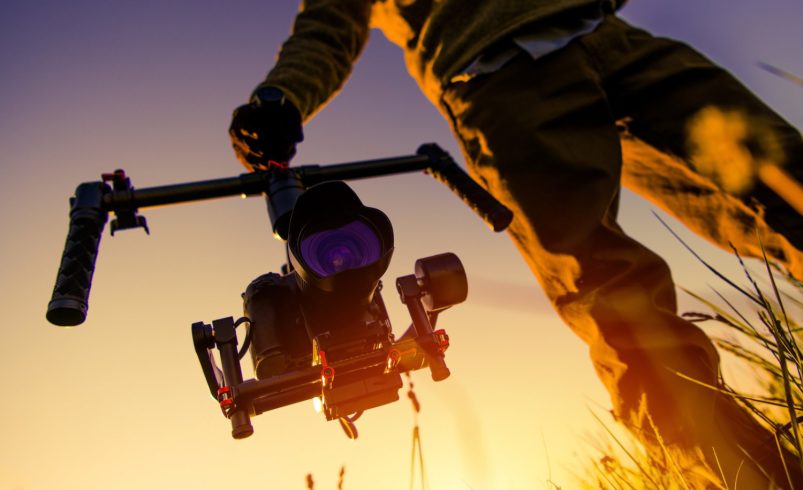
In videography, smooth footage is essential for a professional look. Shaky videos can distract viewers, reduce production value, and make even the most visually stunning scenes feel amateurish. That’s where gimbals come in — these devices stabilize cameras, allowing you to achieve smooth, cinematic shots even while moving.
Whether you’re capturing Chicago street life, time-lapses of the skyline, corporate interviews, or cinematic short films, a high-quality gimbal can elevate your work. In 2026, the gimbal market offers solutions for beginners, intermediate videographers, and professionals alike. In this guide, we’ll explore the best gimbals, key features to consider, and tips for maximizing camera stabilization in real-world scenarios.
A gimbal is a device that stabilizes your camera using motors and sensors. Unlike handheld shooting, where natural movement introduces shakes and jitters, gimbals keep the camera steady and allow for fluid motion.
Benefits of Using a Gimbal for Video:
Example: Walking through Chicago’s Millennium Park while filming a vlog becomes smooth and cinematic with a gimbal, eliminating the distracting bounce of handheld footage.
The DJI Ronin gimbals are among the most popular choices for professionals worldwide. In 2026, models like the Ronin-S3 and RS 3 Pro offer advanced stabilization for a variety of cameras.
Key Features:
Example: Shooting a Chicago architectural tour, the Ronin allows smooth tilts, pans, and tracking shots while walking through streets or parks, maintaining professional motion without post-editing stabilization.
Pros:
Cons:
The Zhiyun Crane 3S is perfect for videographers who need versatility without breaking the bank. It’s suitable for mirrorless cameras, DSLRs, and small cinema setups.
Features:
Example: A Chicago street performer shoot benefits from the gimbal’s stability and lightweight design, allowing the videographer to follow performers dynamically without introducing shake.
Pros:
Cons:
For beginner and intermediate videographers, the Moza AirCross 2 provides a balance between price, portability, and performance.
Key Features:
Example: A Chicago travel vlogger can film walking tours, café interiors, or parks with smooth motion without needing heavy gear.
Pros:
Cons:
The FeiyuTech AK2000C is a rising favorite among budget-conscious professionals looking for advanced features.
Features:
Example: Filming a Chicago corporate video or event with moving subjects becomes easier, as the gimbal keeps the camera steady while allowing complex movements.
Pros:
Cons:
When choosing a gimbal, pay attention to these essential features:
Example: Using a tripod with a gimbal-mounted mirrorless camera to film Chicago events combines stabilization with precise framing.
Gimbals are indispensable for videographers aiming for cinematic, professional-quality footage. Models like the DJI Ronin series, Zhiyun Crane 3S, Moza AirCross 2, and FeiyuTech AK2000C provide options for beginners, intermediate users, and professionals. By considering payload capacity, stabilization modes, battery life, and portability, videographers can choose the right gimbal to suit their needs.
When paired with proper walking techniques, smooth panning, and creative experimentation, a gimbal transforms handheld footage into polished, cinematic content — whether filming Chicago’s skyline, street life, festivals, or interviews. Investing in a high-quality gimbal is a crucial step for any videographer aiming to stand out in 2026.