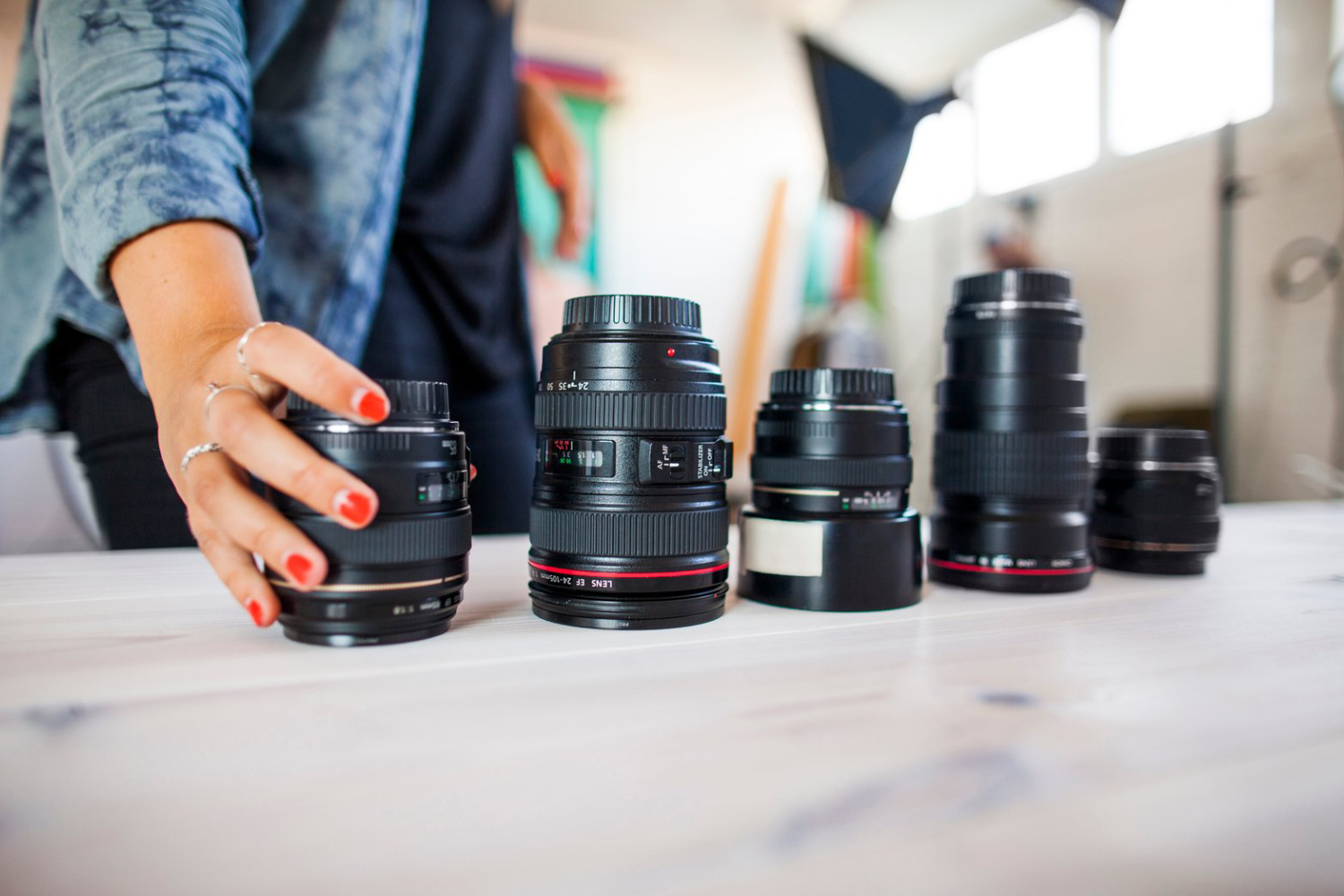
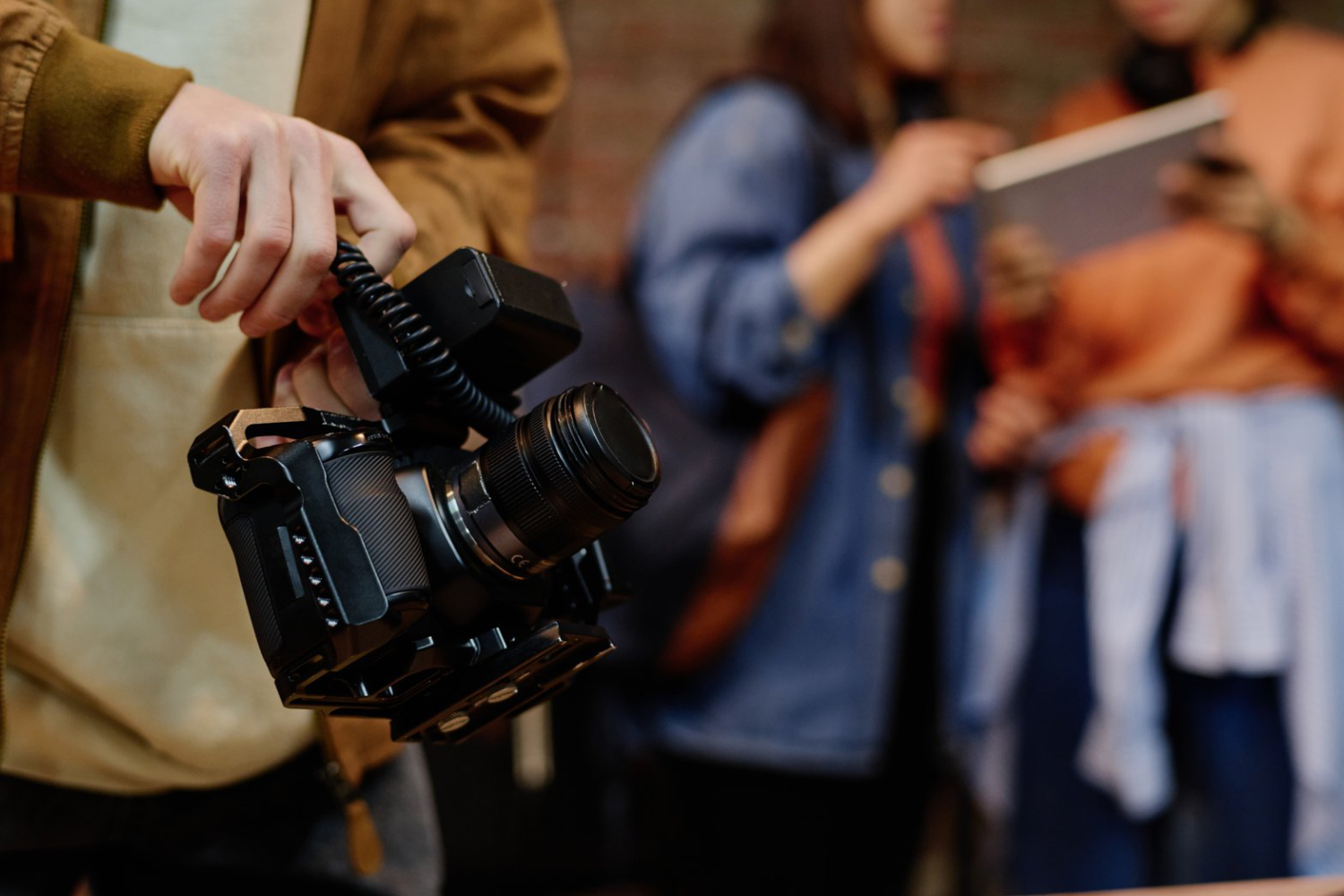
Videography in 2026 has entered a new era where technology empowers filmmakers with incredible creative possibilities. Whether you are capturing the stunning Chicago skyline at sunrise, filming interviews in bustling city streets, or creating cinematic music videos, choosing the right camera system is critical. Among the two most popular types of cameras, mirrorless and DSLR (Digital Single-Lens Reflex), each offers unique advantages and limitations. Understanding their differences, especially in video production, can save time, money, and frustration while maximizing visual quality.
This guide explores the key factors to consider, helping videographers decide whether a mirrorless or DSLR camera is best suited for their video projects in Chicago or beyond.
1. Understanding DSLR Cameras
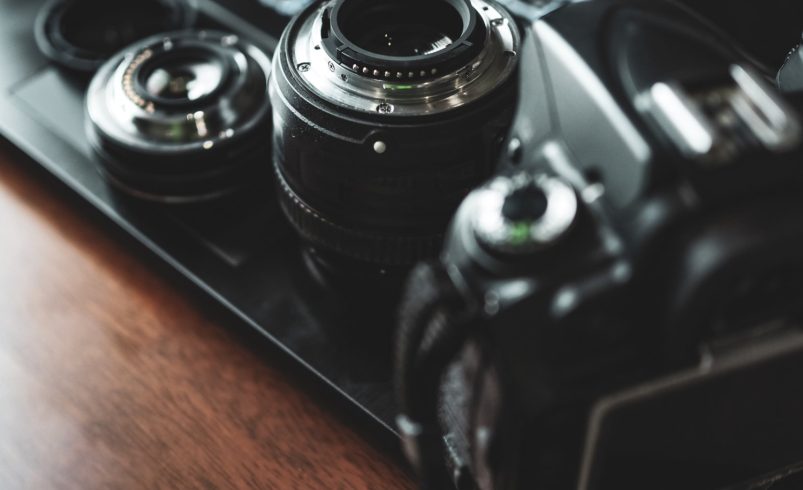
DSLR cameras have been the industry standard for decades, initially designed for photography but widely adapted for videography. They operate with a mirror mechanism that reflects light from the lens into the optical viewfinder, allowing photographers to see exactly what the lens sees.
Advantages for Video:
- Optical Viewfinder: Offers real-time, lag-free viewing, which can be helpful in fast-paced environments like Chicago street shoots.
- Durability: DSLRs are often built robustly with long battery life, making them reliable for extended shoots.
- Wide Lens Selection: DSLRs have access to a vast variety of lenses, including third-party options.
- Proven Performance: Many professional videographers are familiar with DSLRs, ensuring a smooth workflow.
Limitations for Video:
- Bulkier and heavier, which makes handheld or gimbal work more challenging.
- Limited advanced autofocus capabilities in live view compared to mirrorless systems.
- Some older DSLR models lack 4K video or high frame rate options.
Example: Filming a Chicago jazz festival on a DSLR may provide excellent image quality, but carrying a large body with a heavy lens all day can be physically demanding.
2. Understanding Mirrorless Cameras
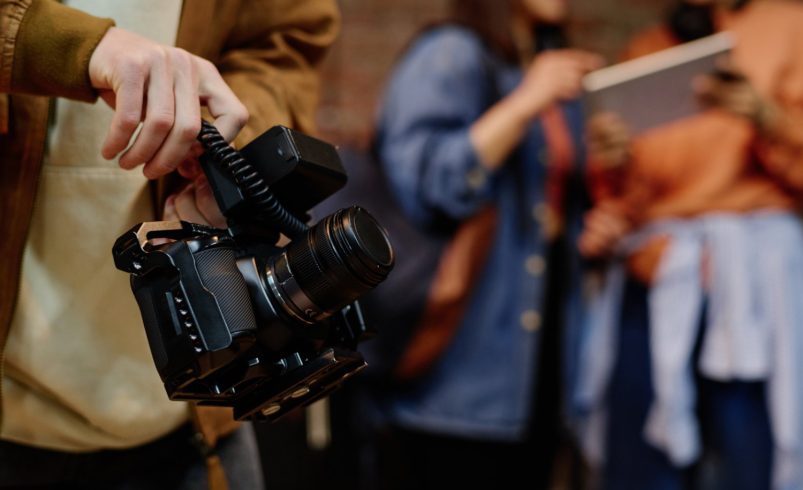
Mirrorless cameras, as the name suggests, do not have a mirror mechanism. Instead, they rely on electronic viewfinders (EVFs) or LCD screens to display the live image from the sensor. Over the past few years, mirrorless technology has advanced rapidly, making it increasingly popular among videographers.
Advantages for Video:
- Compact and Lightweight: Ideal for gimbal use, drone attachments, or mobile setups in crowded Chicago streets.
- Advanced Autofocus: Mirrorless cameras excel with real-time eye-tracking and face detection, ensuring subjects remain in focus during dynamic video shoots.
- High Frame Rate and 4K+ Options: Many mirrorless cameras support 4K 60fps, 120fps, and even 6K/8K video for cinematic footage.
- Better Video-Centric Features: Built-in log profiles, 10-bit color, and high bit-rate codecs enhance post-production flexibility.
Limitations:
- Shorter battery life due to continuous electronic display usage.
- Electronic viewfinder can lag slightly in low-light or fast action scenarios.
- Lens ecosystems, while growing, may not match the diversity of DSLRs in some cases.
Example: Shooting a Chicago time-lapse with a mirrorless camera offers smooth autofocus and the ability to capture high-quality 4K video without a large tripod setup.
3. Image Quality Comparison
Both DSLRs and mirrorless cameras can produce professional-quality video. However, several factors differentiate them:
- Dynamic Range: Mirrorless cameras with full-frame sensors often offer wider dynamic range, capturing more detail in shadows and highlights — ideal for Chicago’s bright cityscape shots against evening skies.
- Low-Light Performance: Mirrorless cameras often feature improved ISO handling and image stabilization, making them superior in low-light environments like Chicago jazz clubs or nighttime street scenes.
- Color Science: While both systems can achieve excellent color, some videographers prefer the skin tones rendered by certain mirrorless brands, which can make interviews or lifestyle footage more cinematic.
4. Autofocus for Video
Autofocus performance is critical for professional videography.
- DSLRs: Traditionally rely on phase-detection autofocus, which works well for photography but can “hunt” during video.
- Mirrorless Cameras: Modern mirrorless cameras have faster, more reliable autofocus for video, with features like real-time eye tracking and subject tracking.
Example: Recording a live Chicago street performance with moving performers is easier with a mirrorless camera due to continuous and accurate focus tracking.
5. Lens Compatibility and Flexibility
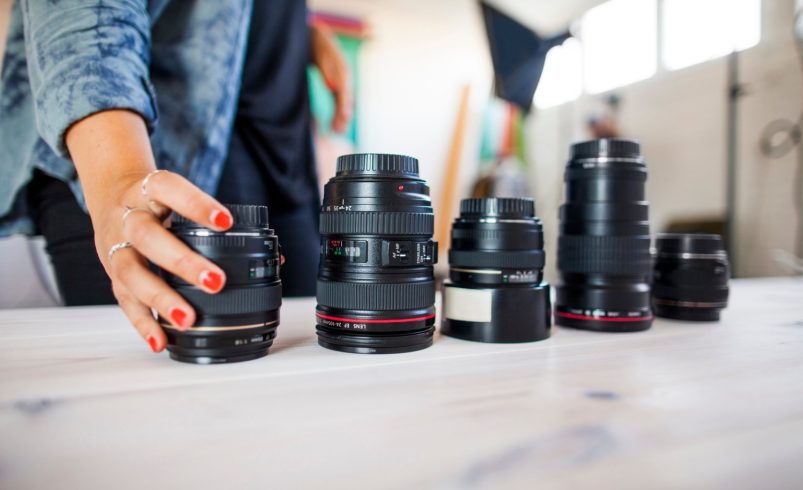
- DSLRs: Benefit from decades of lens development, including high-quality third-party lenses. Many DSLRs also offer larger native mounts, giving more flexibility for cinematographers using adapters.
- Mirrorless: Offers an increasing number of high-quality lenses designed for video, often with improved image stabilization and silent autofocus. Adapters can also allow DSLR lenses to work on mirrorless bodies.
Example: A Chicago documentary shooting scenario may require multiple lenses — wide-angle for architecture, telephoto for street shots — both DSLR and mirrorless systems offer solutions, but mirrorless allows more compact setups.
6. Portability and Workflow
Mirrorless cameras are often smaller and lighter, which is advantageous for handheld work, travel, and dynamic filming locations like Chicago streets, parks, and events. DSLRs are bulkier, which can be cumbersome for long-day shoots or gimbal setups.
Battery Life Considerations:
- DSLRs generally last longer on a single charge due to minimal electronic display usage.
- Mirrorless cameras may require spare batteries for full-day shoots, though this is manageable with proper planning.
7. Price and Investment
- DSLRs: Often more affordable upfront, especially older models that still deliver excellent video quality.
- Mirrorless: May have a higher initial cost, but advanced video features and portability can justify the investment.
Example: A Chicago freelance videographer might choose a mirrorless setup for its versatility and future-proofing, while a hobbyist may prefer a DSLR for budget reasons.
8. Real-World Scenarios for Chicago Videographers
- City Timelapses: Mirrorless cameras excel with compact size and smooth electronic exposure adjustments.
- Interviews: DSLRs provide classic optics and battery life, but mirrorless cameras simplify on-the-fly focus changes.
- Event Coverage: Mirrorless autofocus ensures no subject is lost in crowded spaces, ideal for Chicago festivals.
- Cinematic Projects: Mirrorless cameras offer log profiles, higher bit depth, and better stabilization, giving post-production flexibility for cinematic storytelling.
9. Future Trends
Mirrorless cameras are dominating the industry, with DSLR production slowing. Brands are focusing on improved EVFs, battery efficiency, and video-focused features. As such, mirrorless technology is increasingly preferred by professional videographers looking to future-proof their setup.
Conclusion
Choosing between a mirrorless and DSLR camera depends on your priorities:
- DSLR: Great for long battery life, proven performance, and photographers transitioning into videography.
- Mirrorless: Ideal for advanced video features, portability, autofocus reliability, and cinematic quality.
For Chicago videographers, mirrorless cameras are generally better suited for dynamic city shoots, cinematic storytelling, and projects requiring flexibility and high-quality video. DSLRs still hold value for budget-conscious creators and photography-heavy workflows, but mirrorless technology is rapidly becoming the industry standard for modern videography in 2026.
Ultimately, the “best” camera is the one that matches your shooting style, project requirements, and creative vision — whether it’s capturing the bustling streets of Chicago, cinematic cityscapes, or intimate interviews.