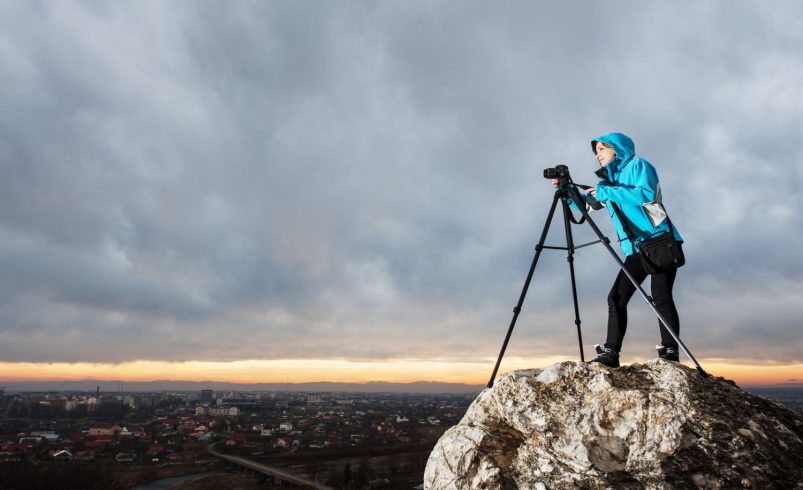
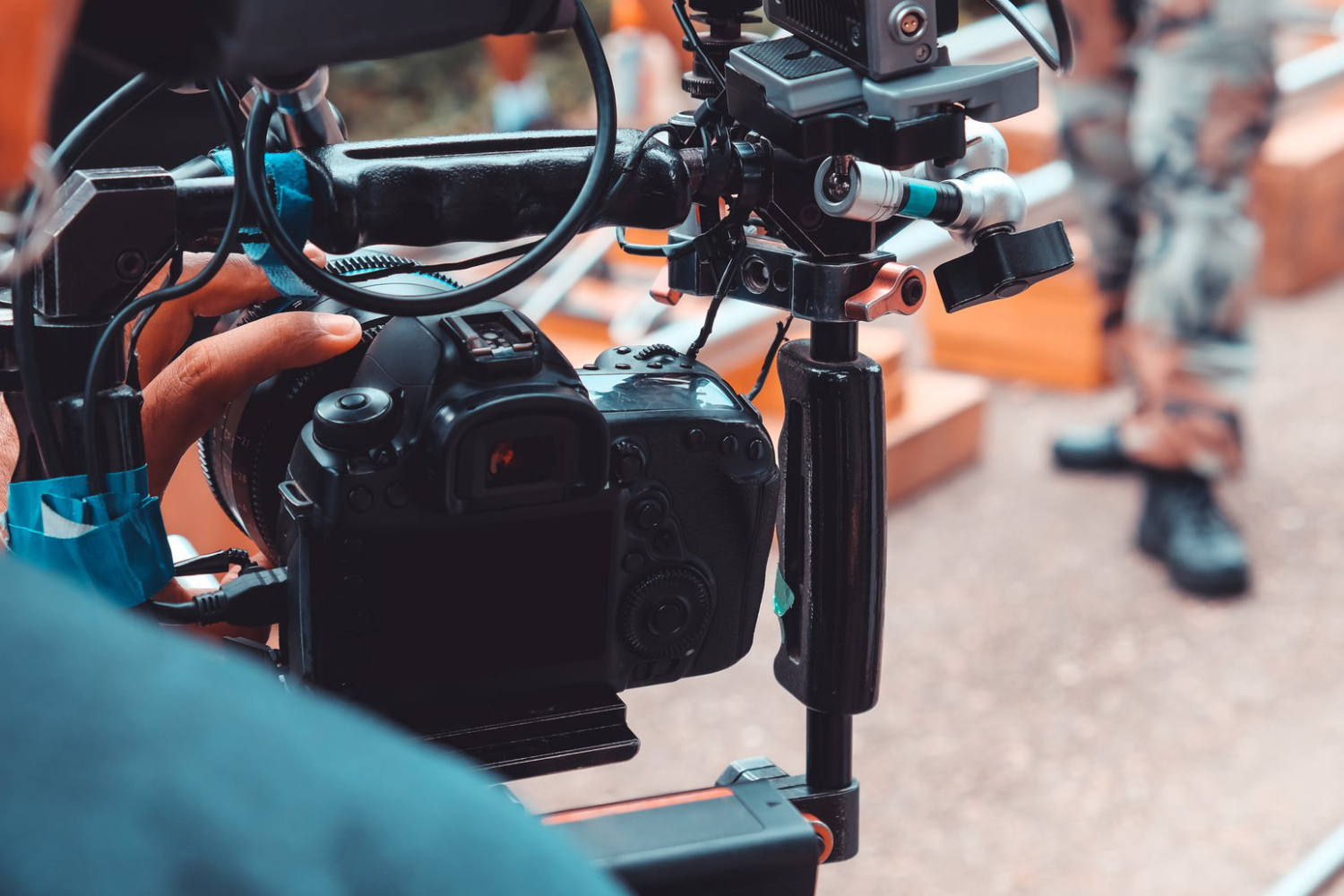
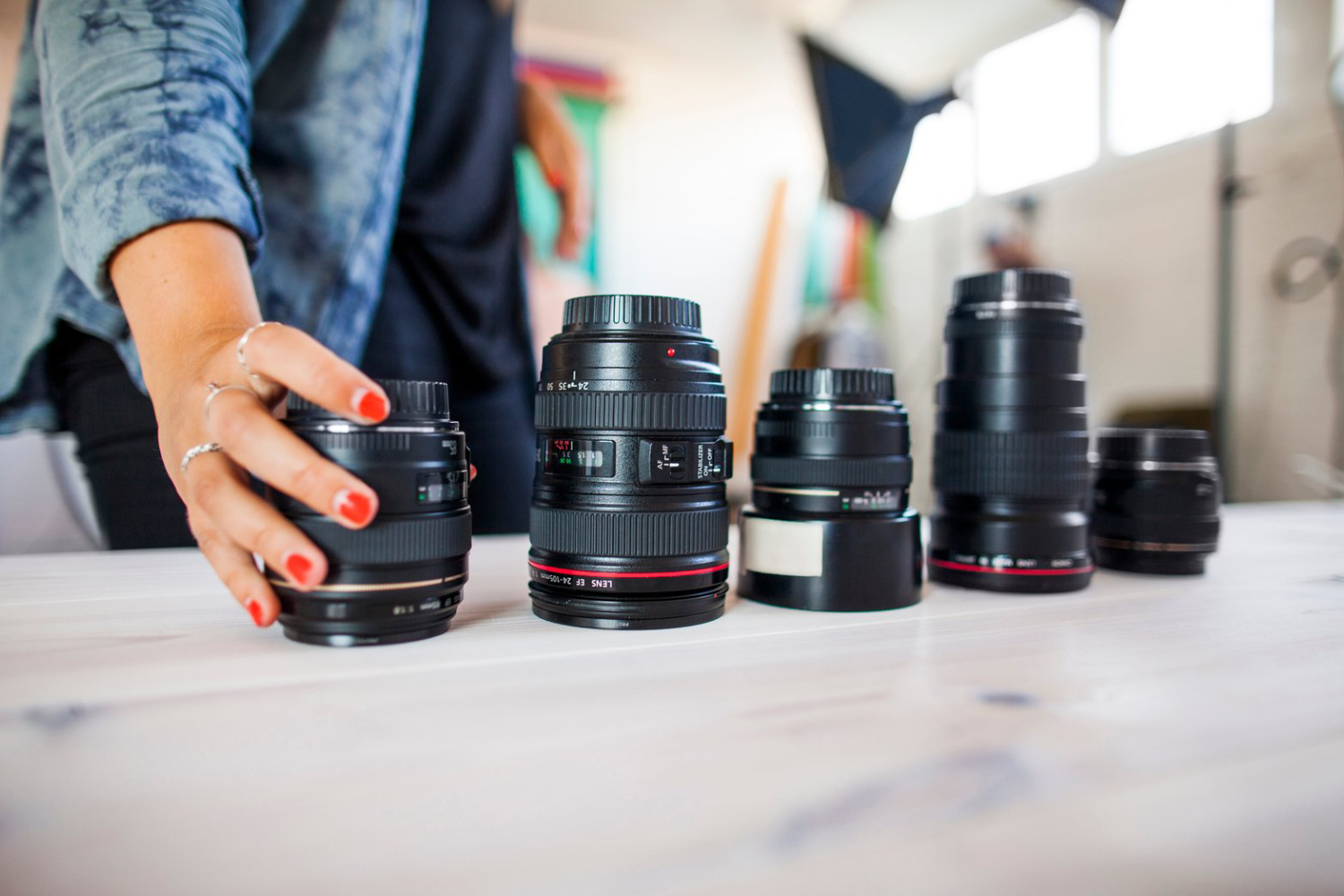
A stable shot is the foundation of professional videography. Whether you’re filming interviews, time-lapses, or cinematic sequences, shaky footage can ruin your production. That’s why a reliable tripod is essential.
In 2026, videographers in Chicago and beyond have access to a wide range of tripods designed for various budgets, cameras, and shooting styles. Choosing the right tripod ensures stability, flexibility, and creative control, making your video work smoother and more polished. This guide explores the key features, types, and tips for selecting the perfect tripod for your projects.
1. Why a Tripod Matters for Video
A tripod provides:
- Stability: Eliminates camera shake for sharp, professional footage.
- Consistency: Keeps framing consistent for time-lapses or interviews.
- Creative Flexibility: Enables pans, tilts, and smooth motion with video heads.
- Hands-Free Shooting: Essential for long sessions, vlogs, or multi-camera setups.
Example: Filming a Chicago corporate interview in a busy office space requires a tripod to maintain steady framing while allowing the videographer to focus on lighting and audio.
2. Types of Tripods for Video
1. Standard Tripods
- Design: Three legs with adjustable height.
- Best for: Lightweight cameras, indoor interviews, and travel setups.
- Pros: Portable, affordable, easy to set up.
- Cons: Limited smooth motion for dynamic shots.
Example: A beginner vlogger capturing Chicago café scenes can easily transport and set up a standard tripod.
2. Video Tripods with Fluid Heads
- Design: Specialized heads allow smooth pans and tilts.
- Best for: Cinematic shots, interviews, and narrative storytelling.
- Pros: Smooth motion, adjustable friction, professional results.
- Cons: Slightly heavier and more expensive.
Example: Shooting a Chicago architecture walkthrough, a fluid head tripod ensures smooth panning from building base to skyline.
3. Lightweight/Travel Tripods
- Design: Compact, foldable, often made from carbon fiber or aluminum.
- Best for: Outdoor shoots, travel vlogs, and mobile setups.
- Pros: Portable, quick setup, durable materials.
- Cons: Less stable with heavier cameras.
Example: Filming Chicago street festivals, a travel tripod allows rapid relocation and stable shots on the go.
4. Mini Tripods & Tabletop Tripods
- Design: Small, low-profile tripods for tabletop or low-angle shots.
- Best for: POV videos, close-ups, and small camera setups.
- Pros: Lightweight, inexpensive, versatile.
- Cons: Limited height, not suitable for tall framing.
Example: A Chicago food blogger filming close-ups of dishes in a café can use a tabletop tripod for steady, creative shots.
3. Key Features to Consider
1. Build Material
- Aluminum: Durable, affordable, slightly heavier.
- Carbon Fiber: Lightweight, strong, better for travel and outdoor shoots.
2. Maximum Load Capacity
- Check your camera + lens weight.
- A tripod that supports 1.5–2 times your camera’s weight ensures stability.
3. Height & Adjustability
- Tripods should accommodate standing, seated, and low-angle shots.
- Adjustable legs and center columns increase versatility.
4. Tripod Head Type
- Ball Head: Quick adjustments, good for static shots.
- Pan-Tilt Head: Best for smooth pans/tilts in video.
- Fluid Head: Ideal for cinematic movement.
5. Portability & Weight
- Consider how often you’ll carry the tripod around Chicago streets or event locations.
- Travel tripods are lightweight and compact for city shoots.
6. Stability & Leg Locks
- Twist locks or lever locks for quick, secure adjustments.
- Rubber or spiked feet for different terrains — urban streets or parks.
4. Recommended Tripods for Video Work in 2026
1. Manfrotto Befree Live Aluminum
- Lightweight and portable, ideal for travel.
- Fluid head for smooth pans.
- Affordable for beginners.
Example: Ideal for Chicago vlogs and travel footage where portability is key.
2. Benro Aero 4 Travel Video Tripod
- Compact, supports mirrorless and DSLR cameras.
- Fluid head for cinematic movement.
- High payload for heavier setups.
Example: Perfect for outdoor Chicago cityscape shots or event coverage.
3. Vanguard Alta Pro 263AB
- Versatile height adjustment with multi-angle center column.
- Sturdy build for heavier cameras.
- Smooth panning and tilting.
Example: Suitable for professional interviews and architectural filming in Chicago.
4. Joby GorillaPod 5K Kit
- Flexible legs for uneven surfaces.
- Compact for tabletop and creative angles.
- Can hold small mirrorless cameras or DSLRs.
Example: Shooting street-level b-roll or unique perspectives of Chicago landmarks.
5. Neewer Carbon Fiber Video Tripod
- Lightweight, travel-friendly carbon fiber.
- Smooth fluid head for cinematic shots.
- Durable for outdoor shoots.
Example: Perfect for festivals, concerts, and outdoor interviews in Chicago.
5. Tips for Using a Tripod Effectively
- Check Level: Use the built-in bubble level for perfect alignment.
- Secure Your Camera: Ensure head locks and leg clamps are tight.
- Use Weight Hooks: Hang a bag for extra stability in windy outdoor shoots.
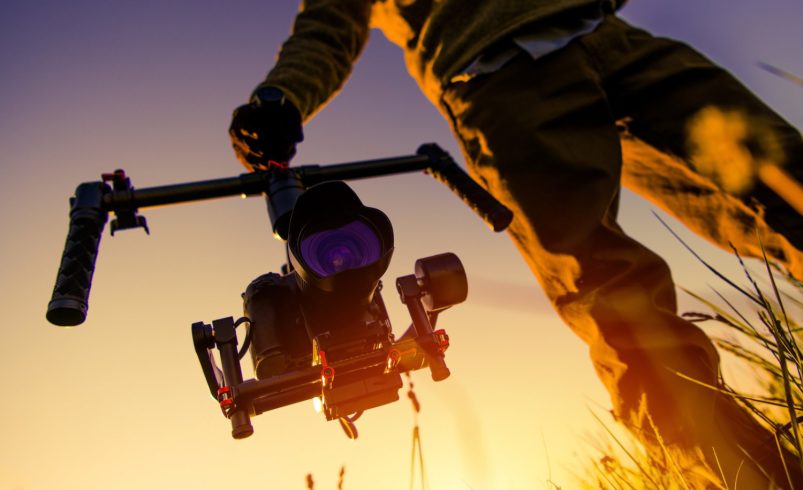
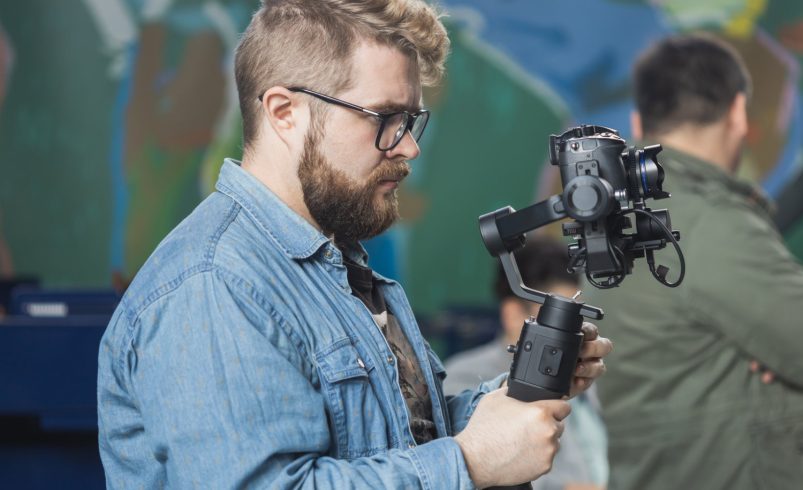
- Combine with Sliders or Gimbals: Enhance movement and cinematic appeal.
- Experiment with Angles: High, low, and dynamic compositions are easier with a stable tripod.
Example: Mounting a gimbal on a tripod allows dynamic interviews with smooth tracking motion — perfect for a Chicago startup video shoot.
6. Real-World Applications in Chicago Videography
- Event Coverage: Weddings, conferences, and festivals need stable, repeatable shots.
- Time-Lapses: Capture cityscape changes from sunrise to sunset without jitter.
- Corporate Videos: Professional stability enhances interviews and office tours.
- Travel & Lifestyle Vlogs: Tripods allow creative shots without relying on handheld footage.
Example: Using a fluid-head tripod on Navy Pier or Millennium Park allows sweeping pans, smooth tilts, and cinematic transitions between scenes.
Conclusion
A tripod is one of the most essential tools for any videographer, whether you’re a beginner capturing Chicago street life, a professional filming corporate projects, or a creative storyteller producing cinematic shorts.
By considering build quality, height, load capacity, and tripod head type, you can select the right tripod to match your camera and shooting style. Recommended options like the Manfrotto Befree Live, Benro Aero 4, Vanguard Alta Pro, Joby GorillaPod, and Neewer Carbon Fiber tripod provide stability, flexibility, and portability for diverse video projects.
Combined with proper setup, smooth motion techniques, and complementary equipment like gimbals and sliders, the right tripod ensures your video footage is polished, cinematic, and professional, ready to stand out in 2026 and beyond.