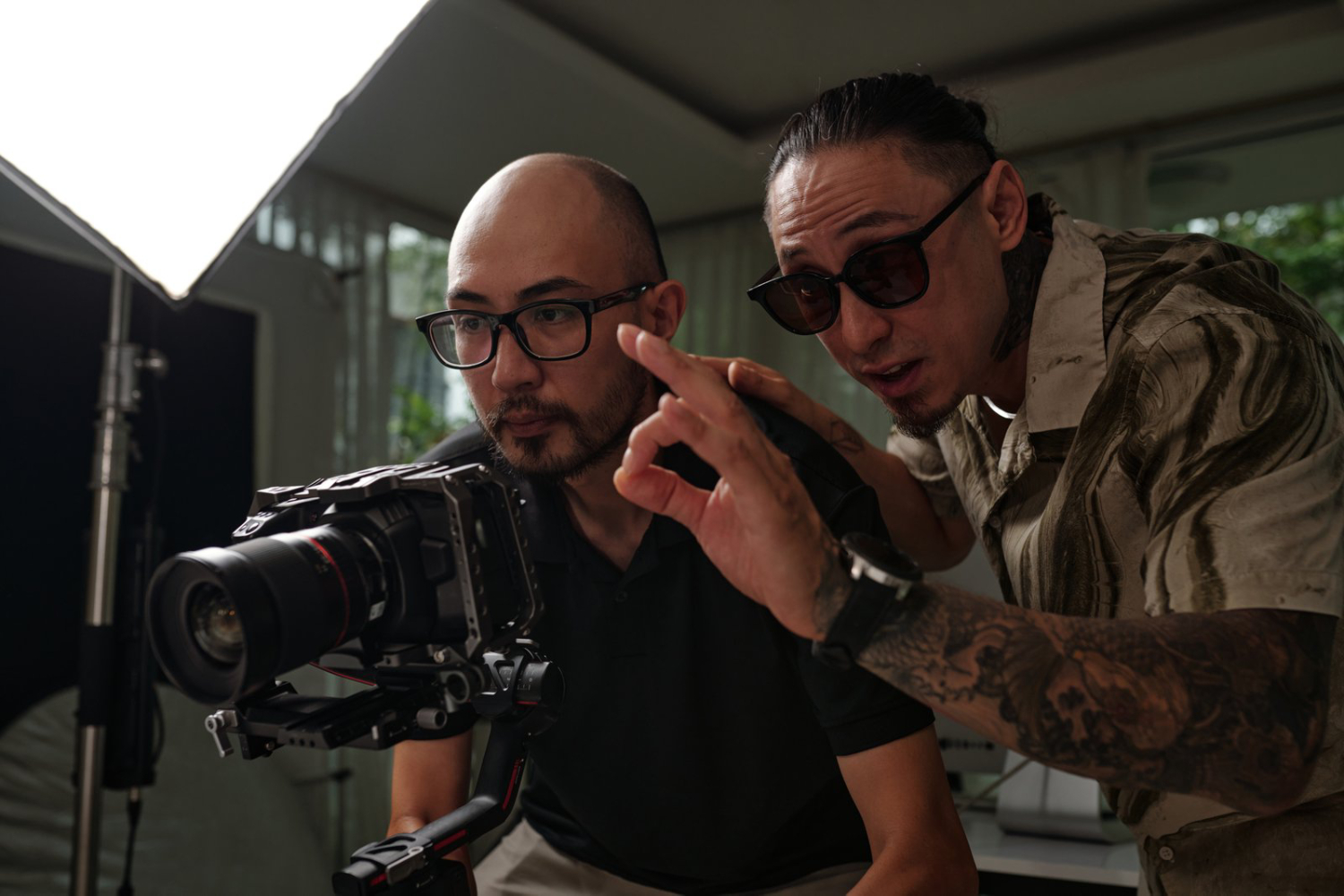
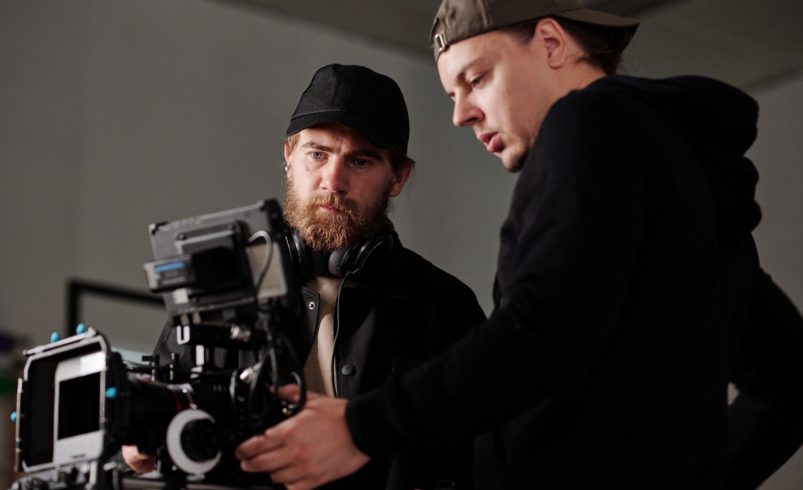
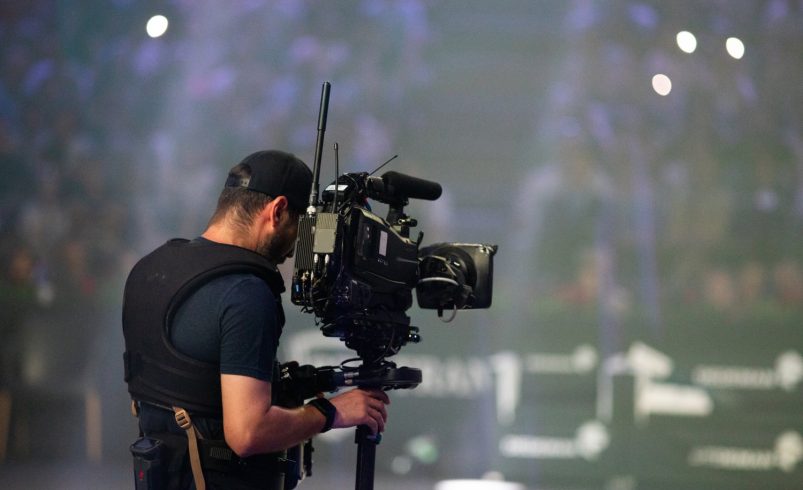
In the world of videography and filmmaking, inspiration is just as crucial as technical skill. Following the work of talented cinematographers allows emerging and professional videographers alike to expand their creative vision, learn innovative techniques, and understand the nuances of visual storytelling. For videographers in Chicago, observing the work of both local and international cinematographers can provide fresh ideas for projects, elevate production quality, and spark new approaches to content creation.
This guide highlights top cinematographers whose work offers invaluable inspiration and lessons for anyone looking to enhance their craft.
1. Roger Deakins – Master of Light and Shadow
Roger Deakins is widely regarded as one of the most influential cinematographers of modern cinema. His work includes films like Blade Runner 2049, 1917, and Skyfall, each showcasing a mastery of light, composition, and storytelling.
Why He Inspires
- Visual Storytelling: Deakins carefully composes every frame to reinforce the narrative.
- Lighting Expertise: He uses natural and artificial lighting to create depth, mood, and atmosphere.
- Consistency: Every project demonstrates precision and attention to detail.
Key Lessons for Videographers
- Study how lighting can convey emotion.
- Observe the composition and framing of each scene.
- Focus on subtle visual cues that enhance storytelling.
- Apply thoughtful pacing to the rhythm of visuals.
2. Emmanuel Lubezki – Innovator of Fluid Cinematic Movement
Emmanuel “Chivo” Lubezki is known for his work on Gravity, The Revenant, and Birdman. He has popularized long takes and fluid camera movement, creating immersive cinematic experiences.
Why He Inspires
- Innovative Camera Work: Seamless transitions and continuous shots create a sense of realism.
- Natural Lighting: Lubezki often relies on daylight to give scenes a natural feel.
- Immersive Storytelling: His cinematography places the audience directly within the environment.
Key Lessons for Videographers
- Experiment with long takes and continuous camera movement.
- Use natural light creatively to enhance realism.
- Plan shots meticulously to ensure smooth, immersive storytelling.
- Consider how movement influences viewer engagement.
3. Bradford Young – Emotion Through Cinematography
Bradford Young has worked on films like Selma, Arrival, and Solo: A Star Wars Story. He is known for creating intimate visuals that communicate emotion and character depth.
Why He Inspires
- Emotional Cinematography: Uses light and shadow to reflect character moods.
- Color Palette Mastery: Thoughtful color grading enhances storytelling.
- Experimentation: Combines traditional techniques with innovative approaches.
Key Lessons for Videographers
- Pay attention to how lighting reflects emotion.
- Experiment with color grading to create tone and atmosphere.
- Combine subtle camera movements with thoughtful framing.
- Focus on storytelling through the lens, not just action.
4. Hoyte van Hoytema – Epic Storytelling
Hoyte van Hoytema has contributed to visually stunning films such as Dunkirk, Interstellar, and Ad Astra. His work demonstrates how cinematography can elevate epic narratives.
Why He Inspires
- Epic Scale: Combines grand landscapes with precise framing.
- Dynamic Lighting: Utilizes natural light to intensify dramatic effect.
- Narrative Enhancement: Visuals are carefully tailored to enhance the story’s scope.
Key Lessons for Videographers
- Use scale and perspective to create impactful visuals.
- Balance natural and artificial lighting for cinematic effect.
- Craft visuals that complement the narrative, not overshadow it.
- Study lens choices to achieve desired emotional impact.
5. Chicago-Based Cinematographers
Local talent in Chicago has made a significant mark on independent filmmaking, music videos, and social media content. These artists inspire through creativity, innovation, and connection to local culture.
Notable Names
- Michele Vazquez: Known for visually compelling music videos that blend local culture and narrative storytelling.
- Derek Brown: Specializes in event and documentary cinematography, highlighting the city’s vibrancy and community energy.
- Samira Ghaniwala: Focuses on fashion and lifestyle content, combining elegant visuals with creative camera movement.
Lessons for Local Videographers
- Leverage local landmarks and cultural events for authenticity.
- Experiment with both cinematic and documentary styles.
- Find your unique voice and visual signature.
- Collaborate with local artists to enhance creativity and networking.
6. How Great Cinematographers Tell Stories Visually
Across all these examples, great cinematographers share several key traits in visual storytelling:
- Intentional Composition: Every shot is framed with purpose to enhance narrative or emotion.
- Lighting as Narrative: Light and shadow are used not just for visibility but to communicate mood, tension, or intimacy.
- Camera Movement: The way a camera moves guides the viewer’s focus and emotional response.
- Color and Texture: Strategic color choices create atmosphere and reinforce story themes.
- Pacing: Editing and timing of shots influence rhythm, tension, and engagement.
For Chicago videographers, studying these traits offers inspiration and practical techniques that can elevate local projects, whether for social media, short films, or commercial work.
7. Learning from Cinematographers Online
Modern videographers have unparalleled access to the work of both established and emerging cinematographers:
- Behind-the-Scenes Content: Many directors of photography share BTS footage on YouTube or Instagram.
- Workshops and Masterclasses: Online tutorials offer step-by-step techniques on lighting, camera movement, and editing.
- Film Analysis: Studying films critically helps understand shot selection, composition, and lighting choices.
These resources allow videographers to apply professional techniques to their own projects without leaving Chicago.
8. Applying Inspiration Locally
Videographers in Chicago can apply inspiration from renowned cinematographers in practical ways:
- Urban Landscapes: Use Chicago’s architecture as a backdrop for creative composition.
- Community Stories: Incorporate human-interest narratives that reflect local culture.
- Cinematic Techniques: Experiment with lighting, angles, and camera movement learned from professionals.
- Collaborations: Partner with local musicians, actors, or influencers for dynamic content.
By combining international inspiration with local creativity, videographers can produce standout videos that resonate with both local and global audiences.
9. Tips for Continuous Creative Growth
- Analyze Work Regularly: Break down films and videos to understand how shots communicate emotion and story.
- Practice Deliberately: Apply learned techniques in small projects before scaling up.
- Experiment Fearlessly: Test new camera angles, lighting setups, and editing styles.
- Document Your Progress: Track what works and what doesn’t for continuous improvement.
- Engage with the Community: Attend local workshops, film festivals, and networking events in Chicago to exchange ideas.
Consistent learning and application will strengthen your creative vision and technical skills.
10. Conclusion
Following top cinematographers provides more than just visual inspiration—it demonstrates the art of storytelling through imagery. From international masters like Roger Deakins and Emmanuel Lubezki to local Chicago talents, each brings unique approaches to lighting, composition, movement, and narrative structure.
For videographers in Chicago, studying these techniques and applying them to local projects can elevate content quality, increase engagement, and inspire innovation. Great cinematographers don’t just show images—they tell stories that captivate, move, and resonate with viewers. By observing, practicing, and adapting these methods, Chicago videographers can create work that is visually compelling and emotionally impactful.
Whether capturing urban landscapes, community stories, or cinematic shorts, inspiration from these masters provides a roadmap to producing videos that stand out in a crowded digital space.