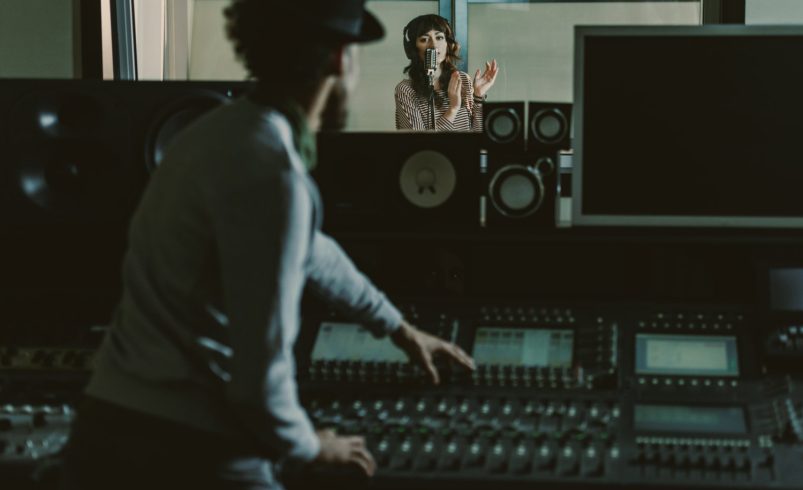
Balancing music, dialogue, and sound effects is essential for professional-sounding videos. Improper balance can make your footage confusing, overwhelming, or tiring for viewers. Effective audio mixing ensures that dialogue is clear, music complements the scene, and effects enhance the story without distracting. This guide provides practical tips for achieving perfect audio balance in your projects.
1. Prioritize Dialogue
- Dialogue should always be the most important audio element.
- Ensure it is clear, audible, and free of distortion.
- Use volume automation to adjust levels dynamically throughout the scene.
Example: In a Chicago interview, background music and street sounds should be lowered when the speaker is talking to ensure clarity.
2. Adjust Music Levels
- Music sets the mood but should not overpower dialogue.
- Apply sidechain compression if necessary to lower music during speech automatically.
- Consider the genre and intensity of the music to match the scene.
Example: A cinematic Chicago skyline timelapse benefits from gentle, ambient music that enhances visuals without competing with narration.
3. Layer Sound Effects Carefully
- Use sound effects to enhance realism and immersion.
- Avoid cluttering the mix with too many overlapping sounds.
- Adjust levels so effects support the scene subtly.
Example: Footsteps, traffic, and birds in a Chicago park scene should be balanced to maintain natural ambiance without overshadowing dialogue or music.
4. Use EQ for Clarity
- Apply EQ to separate frequencies of dialogue, music, and effects.
- Cut low frequencies in music to prevent interference with vocals.
- Boost midrange for dialogue clarity.
Example: In a Chicago food tour video, EQ adjustments ensure that chatter, music, and narration coexist clearly.
5. Use Panning to Create Space
- Pan effects and music slightly left or right to avoid audio congestion.
- Creates a sense of space and makes listening more comfortable.
Example: Panning street sounds subtly can simulate the experience of walking through Chicago streets.
6. Monitor Levels and Loudness
- Keep overall audio levels consistent throughout the video.
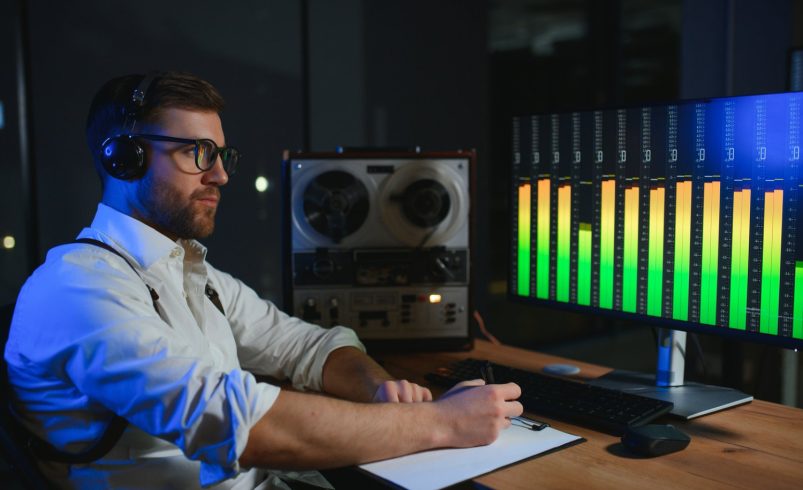
- Use meters to avoid clipping and maintain a professional loudness standard.
Example: Ensuring consistent audio levels in a Chicago corporate video keeps viewers focused and engaged.
7. Test Across Devices
- Review your mix on headphones, speakers, and mobile devices.
- Adjust levels to ensure clarity and balance across platforms.
Example: A Chicago travel vlog should sound great whether viewers watch on a laptop, smartphone, or TV.
Conclusio
Balancing music, dialogue, and effects is vital for professional videography. By prioritizing dialogue, adjusting music, layering sound effects subtly, using EQ, panning audio, monitoring levels, and testing across devices, your videos achieve clarity, depth, and cinematic quality. Whether filming Chicago streets, interviews, or cinematic sequences, a well-balanced audio mix ensures viewers remain engaged and immersed in your story.