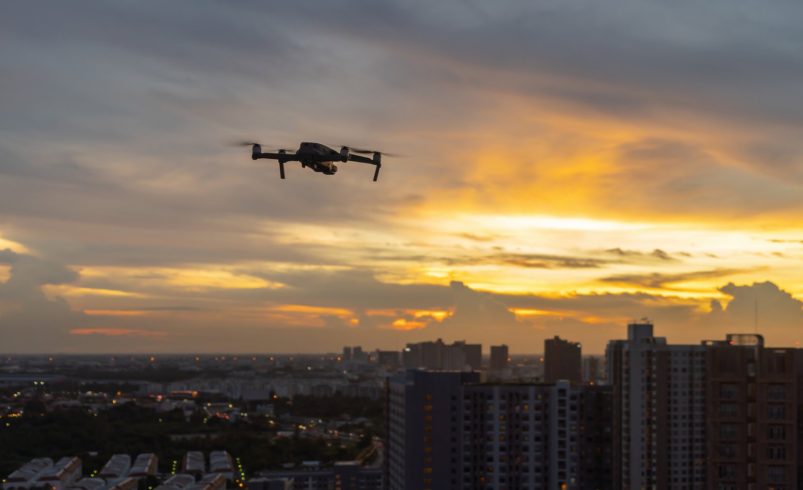
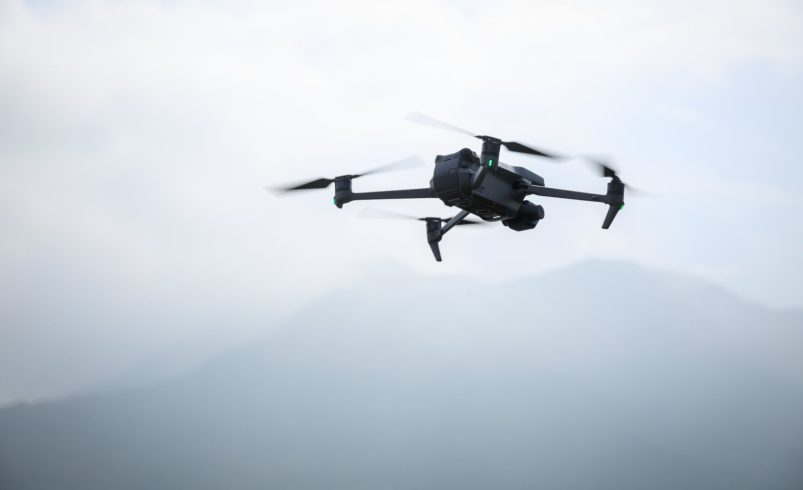
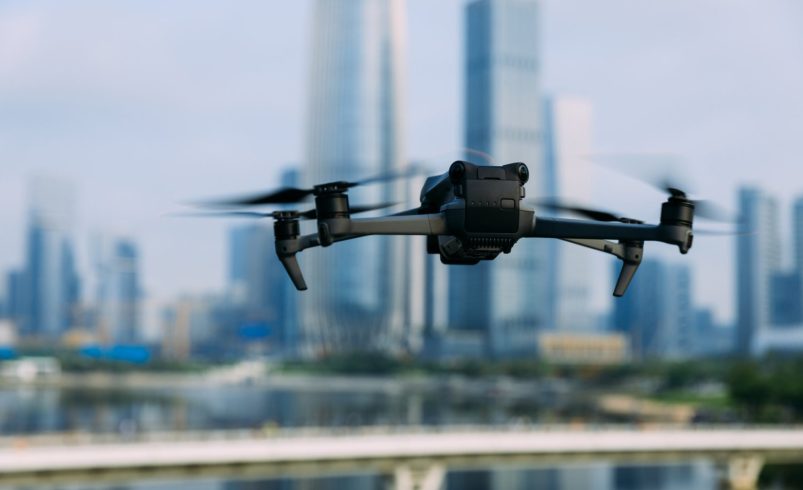
Drone videography has revolutionized cityscape filming, offering perspectives that were once impossible without helicopters or cranes. For videographers in Chicago, aerial shots of skyscrapers, waterfronts, and bustling streets add a cinematic dimension to storytelling.
However, capturing stunning cityscapes requires more than just flying a drone. Understanding composition, flight techniques, lighting, and safety guidelines is crucial for professional-quality footage. This guide provides actionable tips to make your drone cityscapes visually striking and technically precise in 2026.
1. Plan Your Shots in Advance
1.1 Scout Locations
- Identify iconic landmarks and visually appealing streets in Chicago.
- Use tools like Google Maps, DroneDeploy, or local apps to plan flight paths.
- Example: Millennium Park, Navy Pier, Willis Tower, and the Chicago River offer dramatic angles for aerial filming.
1.2 Check Timing & Weather
- Early mornings or late afternoons offer soft, cinematic light.
- Avoid midday harsh light that creates strong shadows.
- Monitor wind speeds; strong gusts reduce stability and increase shake.
1.3 Visual Storytelling
- Decide the narrative: establishing shots, motion sequences, or transitions.
- Map your flight route to capture smooth cinematic flow.
- Example: Start with an overhead skyline shot, then glide along the river for a dynamic sequence.
2. Camera Settings for Cityscape Filming
2.1 Resolution & Frame Rate
- Use 4K or higher for crisp details.
- 24fps for cinematic motion; 60fps for smooth movement and slow motion.
2.2 ISO & Shutter Speed
- Keep ISO low (100–400) to reduce noise.
- Adjust shutter speed for proper exposure; use ND filters for bright daylight.
2.3 White Balance
- Set a fixed white balance to maintain consistent color across the sequence.
- Avoid auto mode, which can shift colors mid-flight.
3. Composition Techniques for Cityscapes
3.1 Rule of Thirds & Leading Lines
- Align buildings, streets, or rivers along the grid for balanced framing.
- Leading lines guide the viewer’s eye through the cityscape.
- Example: The Chicago River can act as a leading line directing attention toward the skyline.
3.2 Symmetry & Patterns
- Capture repetitive architectural patterns and symmetric structures.
- Downtown Chicago streets and bridges offer natural symmetry for striking visuals.
3.3 Height & Angle Variations
- Mix low-altitude shots of streets with high-altitude skyline views.
- Tilt the camera for perspective distortion or dramatic effect.
3.4 Movement & Dynamics
- Incorporate slow pans, tracking shots, or rising shots for cinematic motion.
- Example: Glide along Lake Shore Drive for moving traffic while keeping the skyline in frame.
4. Flight Techniques for Smooth Footage
4.1 Slow, Controlled Movements
- Avoid abrupt maneuvers. Smooth, steady movements are visually appealing.
- Adjust gimbal tilt slowly to follow architectural lines or city streets.
4.2 Hovering & Framing
- Hover at key points to stabilize framing.
- Useful for night shots where longer exposure is required.
4.3 Orbit & Reveal Shots
- Orbit around landmarks to create dynamic perspectives.
- Reveal shots gradually expose iconic buildings for cinematic storytelling.
4.4 Avoid Collisions & Obstacles
- Keep a safe distance from buildings, power lines, and cranes.
- Use obstacle sensors and manual awareness to prevent accidents.
5. Lighting Tips for Cityscapes
5.1 Golden Hour
- Shoot 30–60 minutes after sunrise or before sunset for warm, soft light.
- Creates cinematic atmosphere and long shadows that add depth.
5.2 Blue Hour & Night Shots
- Capture illuminated city skylines after sunset.
- Use higher ISO and slower shutter speeds, combined with gimbal stabilization.
5.3 Avoid Overexposure
- Skyscrapers with reflective glass can create hotspots.
- Use ND filters or adjust exposure compensation for even brightness.
6. Post-Production Tips for Cityscape Drone Footage
6.1 Stabilization & Smoothing
- Apply digital stabilization sparingly to remove minor shakes.
- Warp stabilizer in Premiere Pro or Final Cut Pro can enhance handheld drone shots.
6.2 Color Grading
- Enhance urban tones and emphasize highlights.
- Blue hour shots benefit from cooler tones, while golden hour works with warm gradients.
6.3 Cropping & Reframing
- Slightly crop footage to correct composition and remove edges.
- Useful for revealing symmetry and improving cinematic framing.
6.4 Motion Graphics & Titles
- Add lower thirds or labels to highlight landmarks.
- Incorporate subtle animations to enhance storytelling.
7. Legal Guidelines for Urban Drone Filming in Chicago
- FAA Registration: Drones above 250g require registration.
- Restricted Airspace: Airports, stadiums, and government buildings are off-limits.
- Local Ordinances: Chicago enforces certain restrictions near parks and festivals.
- Commercial Use: A Part 107 license is required for business purposes.
- Safety Protocols: Maintain visual line-of-sight, fly below 400 ft, and avoid crowds.
Example: Flying a drone near Navy Pier requires awareness of both FAA rules and city permits for safe, compliant filming.
8. Recommended Drones for Cityscape Filming
- DJI Mavic 3 Classic: Perfect for cinematic skyline footage.
- DJI Air 3: Versatile dual-camera system for wide and telephoto perspectives.
- Autel EVO Lite+: Ideal for city landmarks and low-light conditions.
- DJI Mini 4 Pro: Lightweight, beginner-friendly option for urban aerial shots.
- Skydio 2+: Best for dynamic obstacle-rich environments and AI tracking.
Conclusion
Capturing stunning cityscapes with drones requires more than expensive gear; it demands planning, creative composition, smooth flight techniques, and awareness of lighting conditions. For Chicago videographers, mastering these skills transforms ordinary aerial shots into cinematic, professional-quality sequences.
By combining intelligent drone selection, legal compliance, and post-production refinement, videographers can elevate cityscape storytelling — from sunrise skyline sequences to night-time illuminated streets — producing visually engaging and memorable footage.