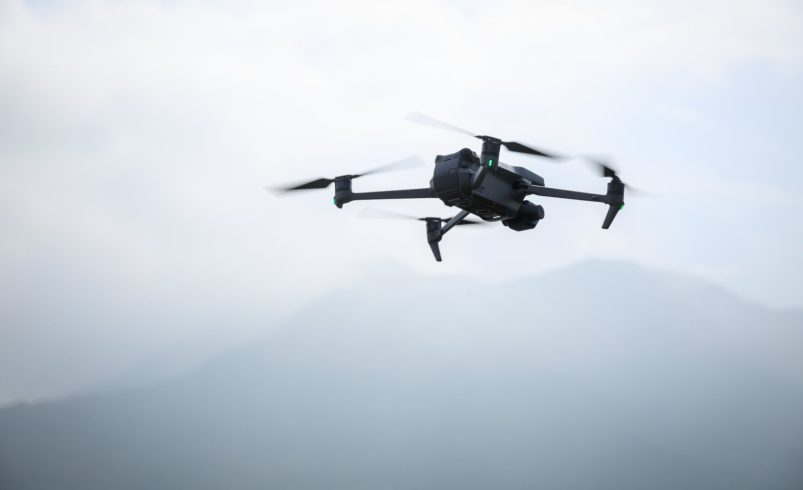
Aerial videography has transformed the way we capture cinematic footage, offering perspectives that were once possible only with helicopters or cranes. In 2026, drones have become more affordable, versatile, and high-performing, making them essential tools for videographers in Chicago and beyond.
Whether filming cityscapes, weddings, real estate, or cinematic projects, choosing the right drone can elevate your production quality. This guide explores the best drones for videography, their key features, and tips for selecting the perfect aerial gear for your video projects.
1. Why Drones Are Essential for Videography
Drones provide:
- Unique Perspectives: Capture stunning overhead shots and dynamic angles.
- Creative Freedom: Easily follow moving subjects or cover large areas.
- Professional Appeal: Cinematic aerial shots add value to corporate videos, events, and storytelling projects.
- Efficiency: Quickly capture footage that would take hours with traditional equipment.
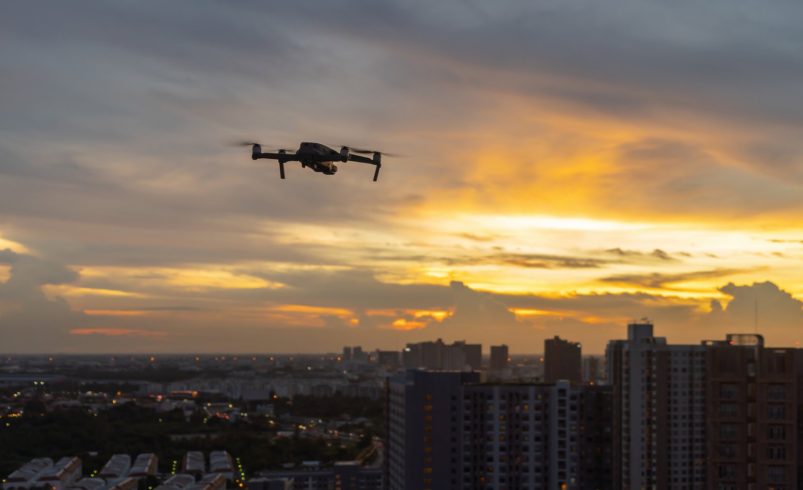
Example: Filming Chicago’s skyline at sunset is dramatically enhanced with drone footage, showing the city from a bird’s-eye view.
2. Key Features to Consider in a Drone
1. Camera Quality
- Look for drones with 4K or higher resolution.
- Consider drones with 1-inch sensors for better low-light performance.
- Adjustable aperture and gimbal stabilization are crucial for cinematic results.
2. Flight Time
- Average drones offer 20–40 minutes per battery.
- Extended flight time allows more coverage without frequent battery swaps.
3. Stabilization
- 3-axis gimbal stabilization ensures smooth footage even in windy conditions.
- Electronic image stabilization (EIS) further reduces shakiness.
4. GPS and Intelligent Flight Modes
- GPS stabilization improves hovering and positioning.
- Modes like ActiveTrack, Waypoints, and Follow Me enable creative shots.
5. Portability & Durability
- Lightweight, foldable drones are easier to transport across locations.
- Durable construction ensures longevity, especially for outdoor urban filming.
3. Top Drones for Videographers in 2026
1. DJI Mavic 3 Classic
- 4/3 CMOS Hasselblad sensor for professional-quality footage.
- Up to 46 minutes of flight time.
- 3-axis gimbal stabilization and intelligent flight modes.
- Foldable, compact design for easy portability.
Example: Capture aerial footage of Chicago’s Millennium Park or Lake Michigan shoreline with ultra-smooth cinematic quality.
Pros: Exceptional image quality, long battery life, compact.
Cons: Premium price point.
2. DJI Air 3
- Dual-camera system for versatile shots: wide-angle and telephoto.
- 34-minute flight time.
- Obstacle sensing in multiple directions.
Example: Ideal for street festival coverage, allowing both close-up and panoramic aerial shots.
Pros: Affordable relative to professional drones, lightweight, easy to fly.
Cons: Slightly shorter flight time than higher-end models.
3. Autel EVO Lite+
- 50 MP camera with 1-inch CMOS sensor.
- 40 minutes of flight time.
- Robust obstacle avoidance and intelligent modes.
Example: Perfect for real estate videography or cinematic cityscape projects across Chicago.
Pros: Excellent camera quality, good battery, obstacle sensors.
Cons: Slightly larger size than Mavic Air series.
4. Skydio 2+
- Advanced AI tracking and obstacle avoidance.
- Excellent for dynamic outdoor shoots.
- 27 minutes of flight time.
Example: Following Chicago bikers along the Lakefront Trail while maintaining smooth, safe tracking shots.
Pros: Superior AI tracking, very safe in complex urban environments.
Cons: Shorter battery life, slightly heavier.
5. DJI Mini 4 Pro
- Ultra-lightweight under 250g.
- 4K/60fps video, 3-axis gimbal.
- Ideal for travel and drone beginners.
Example: Quick aerial shots of Chicago neighborhoods or outdoor events without FAA registration requirements (under 250g).
Pros: Portable, easy to fly, affordable.
Cons: Smaller sensor limits low-light performance.
4. Practical Tips for Aerial Videography
1. Plan Your Shots
- Pre-visualize sequences and flight paths.
- Ensure smooth transitions between movements for cinematic effect.
2. Use Intelligent Flight Modes
- Modes like ActiveTrack, Point of Interest, and Waypoints automate complex shots.
- Enables precise framing and motion control.
3. Maintain Stability
- Avoid flying in high winds or near obstacles.
- Use gimbal tilt and pan settings to adjust framing without shaking.
4. Keep Batteries Ready
- Always have extra batteries charged for extended shooting sessions.
- Flight time is often shorter than advertised in real-world conditions.
5. Shoot at Higher Frame Rates
- 60fps or 120fps allows smooth slow-motion aerial shots.
- 24fps is standard for cinematic storytelling.
Example: Capture Chicago fireworks from above with slow-motion footage for dramatic effect.
5. Legal Guidelines for Drone Filming in Chicago
- FAA Registration: Drones over 250g must be registered with the FAA.
- Restricted Zones: Avoid airports, stadiums, and federal buildings without permission.
- Chicago-specific Rules: Certain areas, such as Grant Park during events, have flight restrictions.
- Drone Pilot Certification: For commercial use, a Part 107 license is required.
- Safety: Always maintain visual line-of-sight, fly below 400 feet, and avoid flying over people without permission.
Example: Flying a drone over Navy Pier during a public event without clearance can result in fines or legal action — always follow FAA and city regulations.
6. Choosing the Right Drone for Your Video Projects
Consider:
- Purpose: Are you filming cityscapes, events, real estate, or cinematic projects?
- Budget: High-end models like DJI Mavic 3 vs budget-friendly DJI Mini series.
- Portability: Will you travel frequently or shoot in crowded urban areas?
- Skill Level: Beginner-friendly drones vs advanced pro drones with manual controls.
- Payload & Camera Needs: Do you need RAW footage, telephoto, or 4K/8K resolution?
Example: A travel vlogger may prefer DJI Mini 4 Pro for portability, while a professional cinematographer may invest in DJI Mavic 3 Classic for high-quality production.
Conclusion
Drones are an essential tool for videographers seeking stunning aerial perspectives in 2026. With options ranging from beginner-friendly DJI Mini 4 Pro to professional-grade DJI Mavic 3 Classic, there’s a drone to suit every project, skill level, and budget.
By considering camera quality, flight time, stabilization, and intelligent flight modes, videographers can capture cinematic, professional-quality footage across Chicago — from iconic skylines and festivals to real estate and corporate videos. Following legal guidelines ensures safe and compliant drone use, while careful planning and practice guarantee dynamic, immersive aerial storytelling.
Investing in the right drone and mastering its features will elevate your videography, opening new creative possibilities for every project in 2026 and beyond.