Selecting the right drone is one of the most important decisions for videographers in 2026. Whether you’re creating cinematic cityscapes, documenting events, filming real estate, or producing corporate content, the drone you choose will directly affect your video quality, creative flexibility, and workflow efficiency.
With so many models available — from compact beginner drones to professional aerial rigs — it’s essential to consider camera capabilities, flight performance, stabilization, portability, and legal compliance. This guide will help you select the ideal drone for your projects while maximizing both production value and budget.
1. Define Your Video Project Needs
1.1 Project Type
- Cinematic Films: Require drones with high-resolution cameras, adjustable apertures, and advanced gimbals.
- Real Estate Videography: Focus on smooth, stable aerial shots and wide-angle lenses to showcase property.
- Event Coverage: Lightweight, portable drones with quick deployment and intelligent tracking modes.
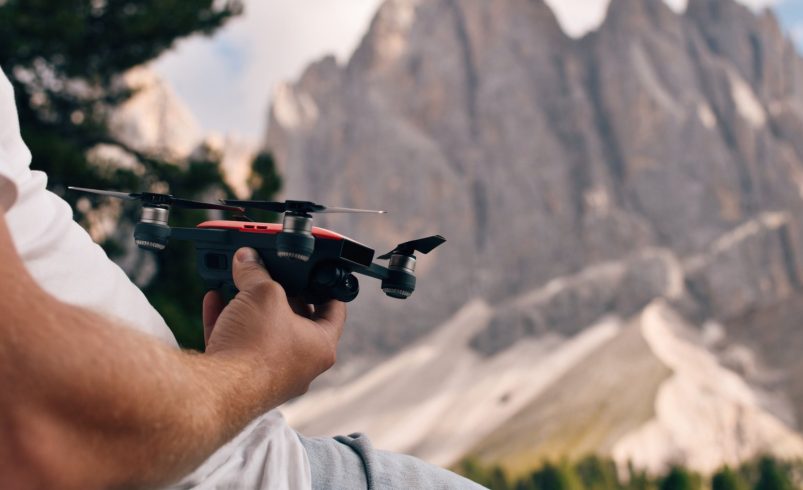
- Travel & Vlogs: Compact drones for portability and ease of transport.
1.2 Desired Shots
- Establishing shots, overhead sweeps, and dynamic follow sequences.
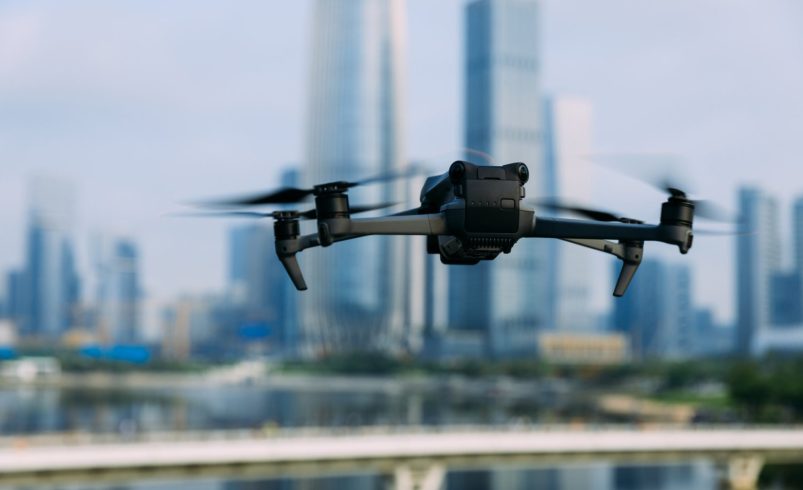
- Example: Capturing Chicago’s skyline requires a drone capable of high-altitude stability and wide-angle panoramic capture.
2. Key Features to Consider
2.1 Camera Quality
- Resolution: Minimum 4K for professional projects; 8K for high-end productions.
- Sensor Size: Larger sensors (1-inch or more) improve low-light performance and depth of field.
- Gimbal Stabilization: 3-axis gimbals provide smooth footage, even in windy conditions.
2.2 Flight Performance
- Flight Time: Longer flight times (30–50 minutes) reduce interruptions.
- Speed & Agility: Useful for following moving subjects or capturing action shots.
- Obstacle Avoidance: Critical in urban environments to avoid buildings, power lines, and crowds.
2.3 Portability & Ease of Use
- Foldable Designs: Easier to carry between locations.
- Lightweight Models: Ideal for travel, outdoor events, and quick deployments.
- User-Friendly Controls: Important for beginners or for projects requiring quick setup.
2.4 Budget Considerations
- Entry-level drones: DJI Mini 4 Pro, good for hobbyists and vlogs.
- Mid-range drones: DJI Air 3 or Autel EVO Lite+, great for commercial projects on a budget.
- High-end drones: DJI Mavic 3 Classic or Inspire series for professional cinematic work.
3. Top Drone Recommendations for 2026
3.1 DJI Mavic 3 Classic
- Camera: 4/3 CMOS Hasselblad sensor, 5.1K video.
- Flight Time: 46 minutes.
- Strengths: Exceptional image quality, cinematic gimbal, long battery life.
- Best For: Cinematic films, commercial projects, and professional videography.
3.2 DJI Air 3
- Camera: Dual-lens system, wide-angle + telephoto.
- Flight Time: 34 minutes.
- Strengths: Versatile, lightweight, intelligent flight modes.
- Best For: Travel vlogs, cityscapes, and mid-budget commercial projects.
3.3 Autel EVO Lite+
- Camera: 50MP sensor, 1-inch CMOS.
- Flight Time: 40 minutes.
- Strengths: Excellent image quality, AI tracking, robust obstacle sensors.
- Best For: Urban filming, real estate, and night aerial shots.
3.4 DJI Mini 4 Pro
- Camera: 4K/60fps, 3-axis gimbal.
- Flight Time: 34 minutes.
- Strengths: Ultra-lightweight, beginner-friendly, no FAA registration needed under 250g.
- Best For: Travel content, casual urban filming, quick deployments.
3.5 Skydio 2+
- Camera: 4K/60fps, advanced AI tracking.
- Flight Time: 27 minutes.
- Strengths: Obstacle avoidance, intelligent tracking, safe in complex environments.
- Best For: Action sequences, moving subjects, obstacle-rich urban areas.
4. Matching Drones to Project Scenarios
4.1 Cinematic Cityscapes
- Use drones with high-resolution cameras, adjustable apertures, and stable gimbals.
- Example: DJI Mavic 3 Classic for Chicago skyline shots during sunrise or sunset.
4.2 Event Coverage & Festivals
- Prioritize portable, easy-to-fly drones with obstacle sensors and intelligent flight modes.
- Example: DJI Air 3 following performers at Lollapalooza.
4.3 Real Estate & Property Shoots
- Wide-angle lenses, smooth stabilization, and moderate flight time are sufficient.
- Example: Autel EVO Lite+ for filming luxury condos along the Chicago River.
4.4 Travel Vlogs & Social Media Content
- Lightweight drones with quick deployment.
- Example: DJI Mini 4 Pro capturing weekend trips to Chicago’s lakefront or neighborhood events.
4.5 Action & Dynamic Shots
- AI-assisted tracking and fast agility are crucial.
- Example: Skydio 2+ following cyclists along the Lakefront Trail or kayakers on the Chicago River.
5. Practical Tips for Choosing Your Drone
5.1 Test Before Buying
- Many retailers or local drone clubs allow demos.
- Test camera quality, flight stability, and intelligent features.
5.2 Consider Accessory Costs
- Extra batteries, ND filters, carrying cases, and propeller replacements.
- Ensure your budget accounts for these essentials.
5.3 Check Software & App Support
- Flight apps provide GPS mapping, intelligent flight modes, and camera control.
- Regular software updates improve functionality and safety features.
5.4 Evaluate Portability
- If traveling frequently, prioritize foldable and lightweight drones.
- Consider weight restrictions and ease of transport for urban shoots.
5.5 Plan for Legal Compliance
- Drones over 250g require FAA registration.
- Commercial use requires Part 107 certification.
- Check Chicago-specific ordinances for parks, events, and urban areas.
6. Post-Purchase Workflow Tips
- Master the Drone Controls: Practice hovering, tilting, and smooth motion.
- Create Pre-Flight Checklists: Battery levels, calibration, obstacle avoidance, and GPS signals.
- Plan Shot Lists & Flight Paths: Helps avoid wasted battery time and ensures cinematic sequences.
- Post-Production Prep: Shoot in RAW or high-resolution formats for better editing flexibility.
- Safety First: Always monitor surroundings, keep drones in line-of-sight, and follow local rules.
Conclusion
Choosing the right drone is a balance between project needs, budget, and technical capabilities. By analyzing your project type, desired shots, camera features, flight performance, portability, and legal requirements, you can select the drone that maximizes production value and creative possibilities.
Whether it’s the professional-grade DJI Mavic 3 Classic, the versatile DJI Air 3, or the beginner-friendly DJI Mini 4 Pro, the right drone enables videographers in Chicago to capture stunning aerial footage, elevate storytelling, and achieve professional-quality results.
Careful consideration, planning, and practice will ensure your drone becomes a powerful tool for cinematic storytelling in any urban, real estate, event, or travel project.