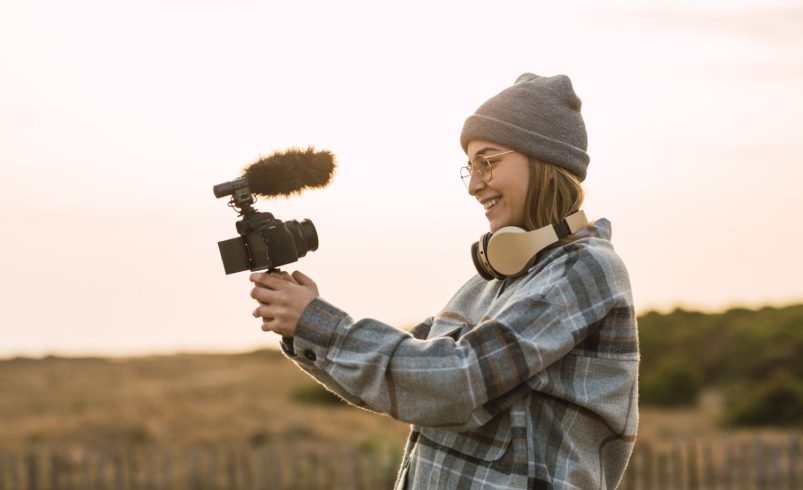
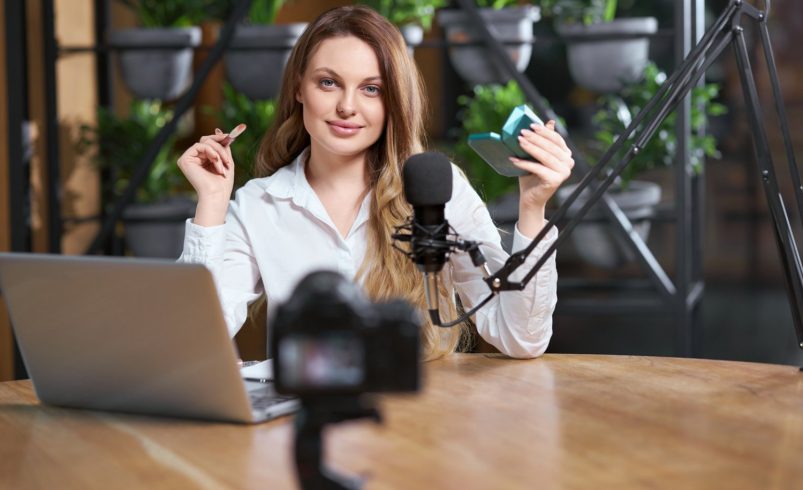
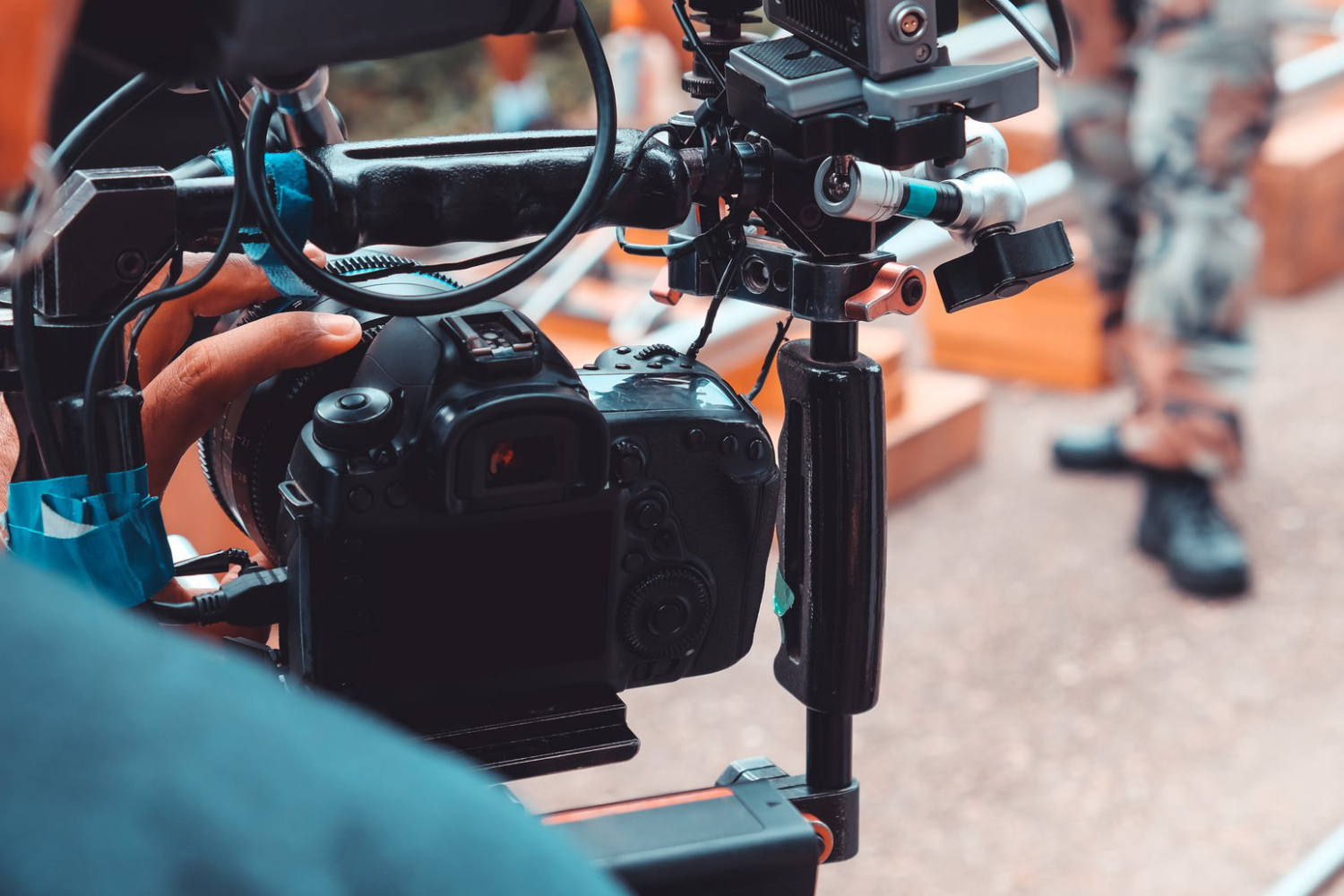
High-quality audio doesn’t have to break the bank. In 2026, videographers and content creators can achieve professional-sounding dialogue, interviews, and ambient recordings with budget-friendly gear. Affordable audio equipment can deliver clear, crisp sound, reduce post-production headaches, and elevate the overall production value without requiring a massive investment.
This guide explores the best affordable audio gear, practical setup tips, and strategies to make your audio sound professional on a budget.
1. Why Affordable Gear Can Still Be Professional
1.1 Advances in Technology
- Modern microphones, wireless systems, and recorders offer high-quality sound at lower prices.
- Budget mics can capture frequencies, reduce noise, and support wireless setups comparable to mid-tier professional gear.
1.2 Focus on Core Features
- Clear vocal pickup, low self-noise, and portability are often more important than expensive extras.
- Simple setups can outperform complex systems if used correctly.
1.3 Reduce Post-Production Effort
- High-quality recordings minimize editing and noise reduction needs.
- Affordable gear with proper technique can save hours in post-production.
2. Best Affordable Microphones in 2026
2.1 Lavalier Microphones
- BOYA BY-M1: Clip-on mic, perfect for interviews, vlogs, and corporate videos.
- Pros: Small, lightweight, excellent vocal clarity.
- Cons: Wired, may require extension cables for camera distance.
- Rode SmartLav+: Compatible with smartphones and cameras for mobility.
- Pros: Clear dialogue, easy setup.
- Cons: Not fully wireless without adapter.
2.2 Shotgun Microphones
- Rode VideoMic GO II: Lightweight, directional, plug-and-play with cameras.
- Pros: Reduces ambient noise, no battery required.
- Cons: Limited advanced features compared to high-end shotguns.
- Deity V-Mic D3 Pro: Budget-friendly shotgun with adjustable gain.
- Pros: Excellent directional pickup, flexible for indoor/outdoor.
- Cons: Slightly heavier than ultra-light options.
2.3 Portable Recorders
- Zoom H1n: Compact, high-quality field recorder for dialogue, interviews, and ambient sound.
- Pros: Affordable, easy to use, supports external mics.
- Cons: Limited inputs for multi-person shoots.
- Tascam DR-05X: Portable recorder with stereo condenser mics.
- Pros: Lightweight, versatile, clear audio.
- Cons: Needs careful handling in windy environments.
2.4 Wireless Systems
- Rode Wireless GO II: Budget-friendly wireless solution for vlogs and interviews.
- Pros: Compact, dual-channel, easy pairing.
- Cons: Slight range limitations compared to high-end systems.
- Comica BoomX-D: Affordable, reliable wireless lavalier setup.
- Pros: Good battery life, clear sound.
- Cons: Interference possible in urban areas.
3. Accessories That Improve Sound Without Breaking the Bank
3.1 Windscreens & Pop Filters
- Reduce plosives and wind noise outdoors.
- Foam covers are inexpensive; furry “deadcat” covers work well for windier conditions.
3.2 Shock Mounts
- Isolate microphone from handling noise or vibrations.
- Essential for handheld or boom-mounted shotguns.
3.3 Extension Cables & Adapters
- Affordable XLR or TRS cables help with flexible placement.
- Ensure connectors are reliable to avoid audio dropouts.
3.4 Headphones
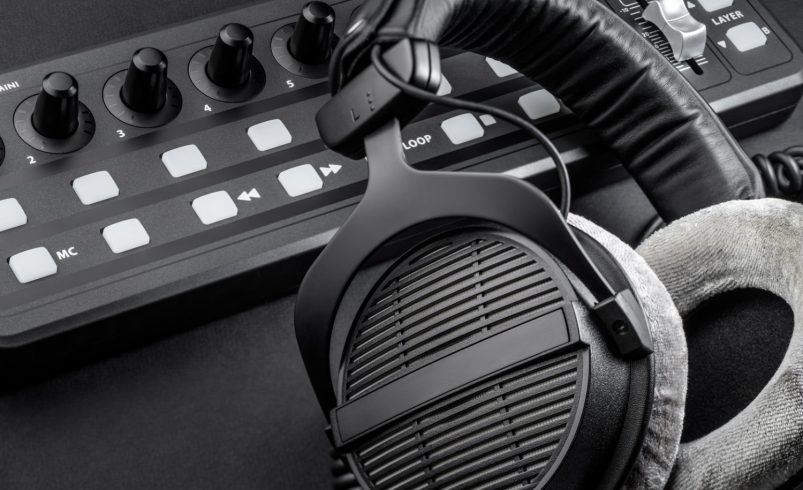
- Closed-back headphones for monitoring, like Audio-Technica ATH-M20X, provide accurate audio without expensive studio models.
4. Practical Setup Tips for Affordable Gear
4.1 Optimize Microphone Placement
- Lavalier: chest area or collar, avoid rubbing against clothing.
- Shotgun: 6–12 inches from the subject, slightly angled for clarity.
4.2 Reduce Environmental Noise
- Use directional mics for outdoor filming.
- Film during quieter times or shield microphones with wind protection.
4.3 Monitor Audio
- Always use headphones to detect hiss, distortion, or wind noise.
- Adjust gain manually rather than relying on auto settings.
4.4 Combine Multiple Affordable Tools
- Example: Lavalier mic + portable recorder = high-quality, mobile dialogue setup.
- Wireless lav + shotgun mic = flexibility for complex shots.
5. Recording Tips for Maximum Quality
5.1 Set Proper Gain Levels
- Avoid clipping while keeping dialogue clear.
- Test levels before shooting begins.
5.2 Keep Consistent Distance
- Maintain steady mic placement relative to the subject.
- Avoid sudden changes in volume or proximity.
5.3 Use Windscreens Outdoors
- Prevent plosives and wind interference without costly equipment.
5.4 Plan for Redundancy
- Record audio from multiple sources if possible (camera + external recorder).
- Provides backup in case one track has issues.
5.5 Leverage Room Acoustics
- Outdoors: use natural barriers to reduce reflections.
- Indoors: use soft surfaces to absorb echo for a clean recording.
6. Post-Production Tips for Affordable Audio
6.1 Noise Reduction
- Tools like Audacity (free) or Adobe Audition can remove background noise.
- Avoid over-processing to preserve natural vocal tone.
6.2 EQ & Compression
- Boost midrange (300–3kHz) for vocal clarity.
- Compress audio gently to balance volume levels.
6.3 Syncing & Editing
- Always sync external recordings with video.
- Multi-track editing ensures clarity and reduces interference from ambient noise.
6.4 Layering Ambient Sounds
- Add natural background sounds to create depth.
- Example: street sounds, crowd murmur, or park ambience to make dialogue recordings feel realistic.
7. Affordable Gear Combinations for Different Projects
7.1 Vlogs & Travel Videos
- Gear: Rode Wireless GO II + Zoom H1n + foam windscreen
- Benefit: Mobility, clear dialogue, minimal setup time.
7.2 Interviews & Corporate Shoots
- Gear: Sennheiser EW 112P clone or BOYA BY-M1 + portable recorder
- Benefit: Clean sound, discreet placement, professional results on a budget.
7.3 Outdoor Filming & Events
- Gear: Deity V-Mic D3 Pro + foam/furry windscreen
- Benefit: Reduces wind noise, captures clear dialogue in urban or open spaces.
7.4 Multi-Person Shoots
- Gear: Multiple BOYA BY-M1 lavaliers + Zoom H6
- Benefit: Independent tracks for each speaker, easy post-production control.
Conclusion
Affordable audio gear can produce professional-quality results when used with proper technique, monitoring, and post-production care. By selecting the right microphones, wireless systems, and accessories, videographers can capture clear dialogue, reduce noise, and improve production value without a massive budget.
From budget lavaliers for interviews, shotguns for outdoor scenes, portable recorders for flexibility, to windscreens and shock mounts for noise reduction, the right combination of affordable tools ensures high-quality audio in every project.
Using these techniques, anyone can create videos that sound polished, professional, and cinematic, proving that great audio doesn’t always require expensive equipment — just the right setup, preparation, and attention to detail.