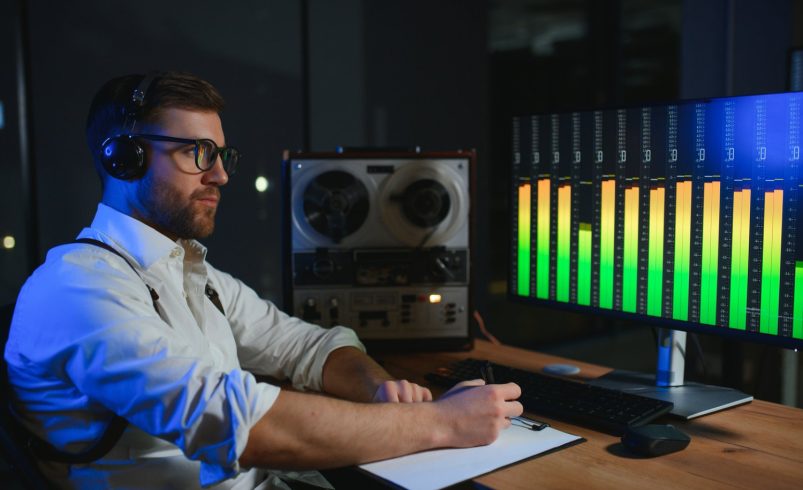
Soundtracks are a key element of cinematic videos, shaping mood, pace, and emotion. Mixing music, dialogue, and effects effectively ensures a polished, immersive experience for viewers. Proper mixing transforms your footage, making it feel professional and cinematic. Whether you’re filming Chicago cityscapes, travel vlogs, or storytelling projects, these tips help you craft audio that complements your visuals perfectly.
1. Start with a Clear Dialogue Track
- Ensure dialogue is prioritized and clean.
- Use EQ and compression to enhance clarity.
- Keep music and effects secondary when dialogue is present.
Example: In a Chicago documentary, narrations should remain audible over background music or street sounds.
2. Layer Music Thoughtfully
- Choose music that matches the tone and pace of your visuals.
- Adjust volume dynamically to match the scene’s intensity.
- Sidechain music to dialogue if necessary to maintain clarity.
Example: A Chicago skyline timelapse with ambient music enhances visuals without overpowering narration.
3. Incorporate Sound Effects Sparingly
- Add effects to enhance realism and immersion.
- Avoid overcrowding the mix; subtlety is key.
Example: Street sounds, footsteps, or park ambiance in a Chicago travel video add depth without overwhelming viewers.
4. Use EQ and Frequency Separation
- Carve out space for dialogue, music, and effects using EQ.
- Reduce overlapping frequencies to avoid muddiness.
- Boost key frequencies in each element to emphasize clarity.
Example: EQ adjustments ensure Chicago street noises don’t interfere with a speaker’s voice.
5. Create Dynamic Range
- Mix loud and quiet sections to guide emotional impact.
- Use compression to control peaks without squashing dynamics.
Example: In a Chicago festival video, louder music during energetic scenes contrasts with softer dialogue during interviews.
6. Automate Volume Changes
- Use automation to raise or lower tracks at specific moments.
- Ensures smooth transitions between dialogue, music, and effects.
Example: Fade out background music slightly when a Chicago chef speaks during a cooking segment.
7. Monitor Across Devices
- Test your mix on headphones, speakers, and mobile devices.
- Adjust to maintain balance and clarity across platforms.
Example: A Chicago travel vlog should sound equally engaging whether viewers watch on YouTube or a smartphone.
8. Keep It Natural and Cohesive
- Avoid extreme effects or abrupt volume changes.
- Ensure all elements support the story and visuals.
Example: Subtle reverb on indoor Chicago café interviews adds depth without distraction.
Conclusion
Mixing soundtracks effectively is essential for cinematic videos. By prioritizing dialogue, layering music thoughtfully, using subtle effects, applying EQ, controlling dynamic range, automating volumes, monitoring across devices, and maintaining cohesion, videographers can create immersive, professional-quality audio. Whether capturing Chicago streets, interviews, or cinematic sequences, a well-mixed soundtrack enhances emotion, storytelling, and viewer engagement, making your videos truly cinematic.