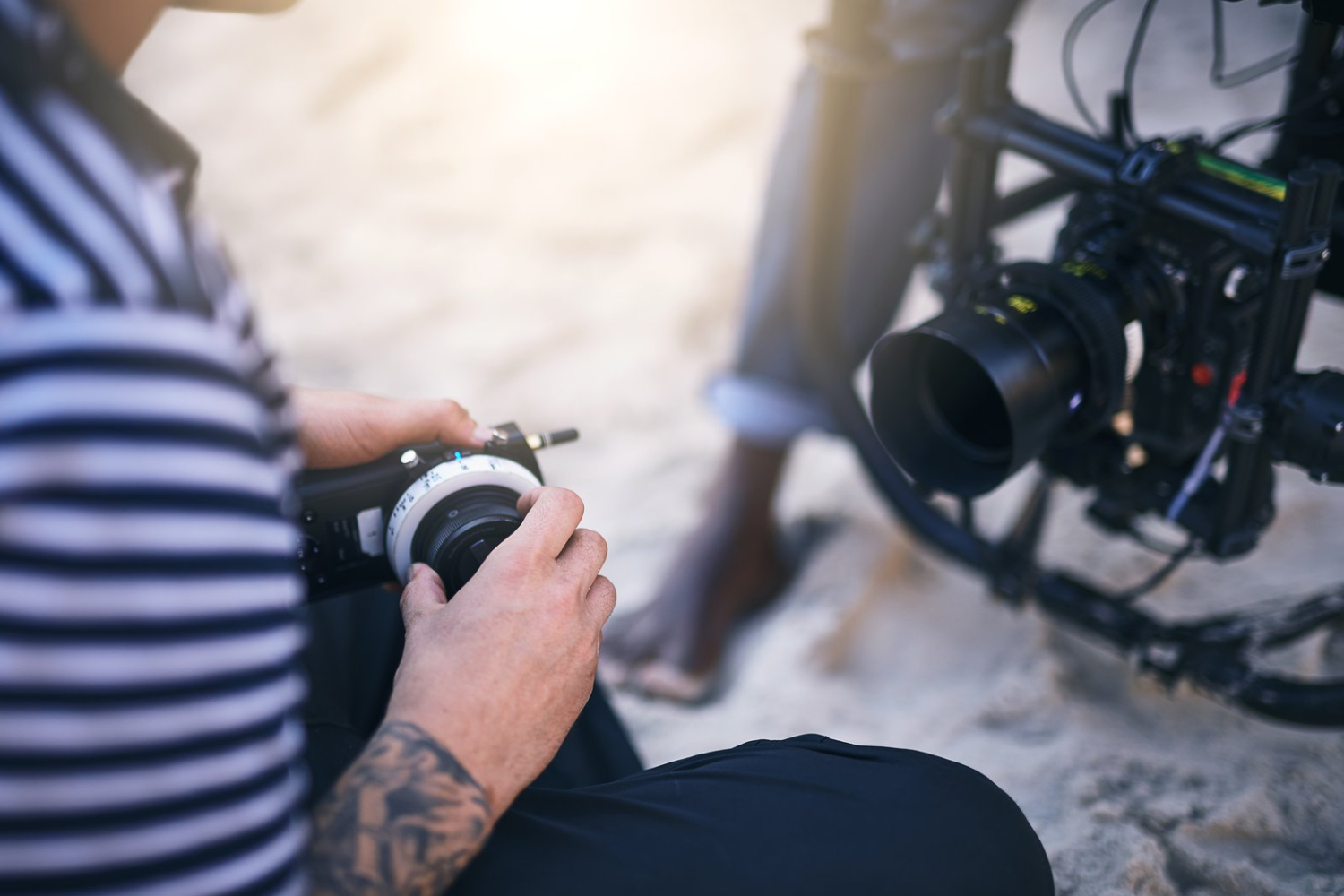
Dynamic shot composition transforms ordinary footage into visually compelling storytelling. For freelance videographers in Chicago, mastering composition ensures every scene is engaging, professional, and cinematic.
This guide provides practical tips to enhance visual impact in every shot.
1. Apply the Rule of Thirds
Dividing your frame into thirds both horizontally and vertically helps balance your shot:
- Purpose: Guides the viewer’s eye naturally
- Use Cases: Portraits, interviews, landscapes, action scenes
- Execution: Place key subjects or objects along intersecting lines
The rule of thirds creates pleasing and professional-looking compositions.
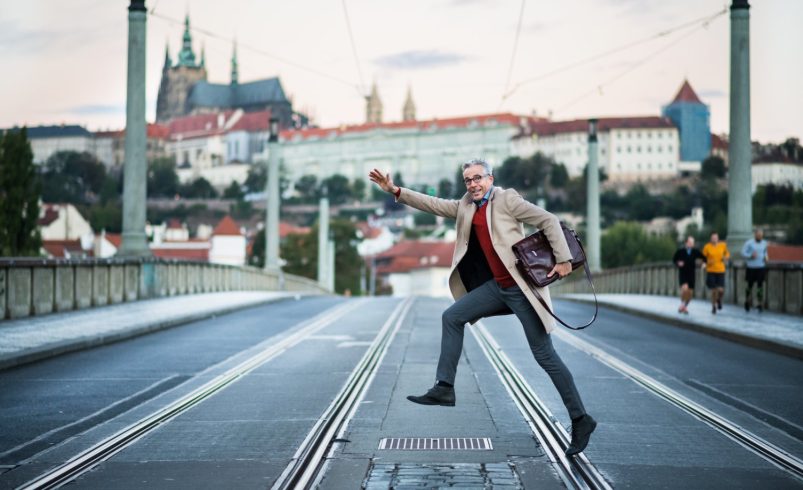
2. Use Leading Lines
Leading lines direct the viewer’s attention through the frame:
- Purpose: Draw focus toward the subject or important elements
- Use Cases: Streets, architecture, bridges, or natural scenery
- Execution: Align lines in the environment with the subject’s path
Leading lines make your shots visually dynamic and guide the narrative flow.
3. Create Depth with Foreground, Midground, and Background
Layering elements adds dimension:
- Purpose: Prevent flat-looking footage and enhance cinematic quality
- Use Cases: Urban landscapes, nature scenes, group interactions
- Execution: Include objects or people at different distances from the camera
Depth makes videos more immersive and visually interesting.
4. Frame Your Subject
Natural frames within your environment enhance focus:
- Purpose: Draw attention to subjects and create context
- Use Cases: Windows, doorways, arches, or foliage
- Execution: Position the subject inside the frame while keeping background elements visible
Framing emphasizes storytelling and adds sophistication.
5. Play with Angles and Perspectives
Variety in angles creates dynamic visuals:
- Purpose: Keep viewers engaged and convey emotion
- Use Cases: High, low, tilted, or unusual viewpoints
- Execution: Mix wide, medium, and close-up shots creatively
Changing perspectives adds energy and visual interest.
6. Balance Symmetry and Asymmetry
Symmetry can be striking, while asymmetry adds tension:
- Purpose: Control mood and style
- Use Cases: Architecture, product shots, cinematic storytelling
- Execution: Align or deliberately offset elements for creative effect
Balancing symmetry and asymmetry enhances storytelling sophistication.
7. Mind the Negative Space
Negative space highlights your subject and creates visual breathing room:
- Purpose: Emphasizes subjects and simplifies composition
- Use Cases: Minimalist scenes, product videos, interviews
- Execution: Position subjects with empty space around them
Negative space ensures your visuals are clean, clear, and impactful.
8. Guide Attention with Color and Contrast
Color and contrast can direct focus and set mood:
- Purpose: Enhance visual storytelling and emotional impact
- Use Cases: Fashion, events, cinematic narratives
- Execution: Use complementary colors, lighting, and contrast to make subjects pop
Effective color usage strengthens viewer engagement.
9. Use Motion and Depth of Field
Dynamic shots combine movement and selective focus:
- Purpose: Add cinematic quality and guide the viewer’s eye
- Use Cases: Action sequences, interviews, cinematic storytelling
- Execution: Apply shallow depth of field and move the camera along subjects
Motion paired with focus creates visually compelling scenes.
10. Final Thoughts
Dynamic shot composition allows Chicago videographers to craft visually stunning, professional videos. By applying rules of thirds, leading lines, depth, framing, angles, symmetry, negative space, color, and motion, every scene becomes engaging, cinematic, and story-driven.
Mastering composition ensures your videos stand out, capturing attention while delivering clear, compelling narratives.