Recording audio outdoors can be challenging due to environmental noise, wind, and unpredictable acoustics. Capturing clear sound requires careful planning, the right equipment, and practical techniques. High-quality outdoor audio ensures your videos are professional, immersive, and engaging, whether filming interviews, events, or cinematic sequences in open spaces.
Chicago’s parks, streets, and waterfronts offer incredible visual opportunities, but ambient noise can be a major challenge. This guide provides actionable tips to capture clean audio in any outdoor setting.
1. Choose the Right Microphone
Selecting a microphone suitable for outdoor use is crucial:
- Shotgun Microphones: Directional mics that pick up targeted sound while rejecting background noise. Ideal for busy streets or public spaces.
- Lavalier Microphones: Clip-on wireless mics provide consistent audio even if the subject moves.
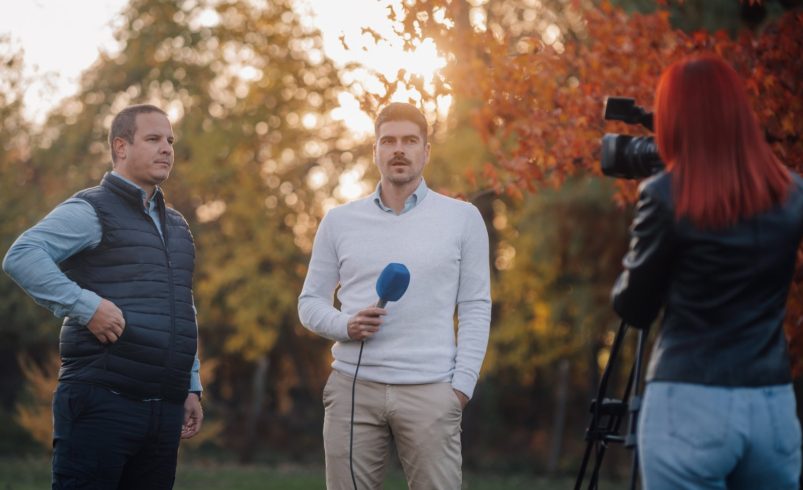
- Handheld Microphones: Great for interviews in dynamic outdoor environments.
Example: Using a shotgun mic to film a street musician on Chicago’s Navy Pier focuses on the performer while minimizing crowd noise.
2. Use Wind Protection
Wind noise is a common outdoor problem that can distort audio:
- Equip microphones with foam windscreens or furry “dead cats.”
- Position microphones behind natural windbreaks, like walls or trees.
- Keep cables secure to prevent rubbing sounds in wind.
Example: Recording a drone interview near Lake Michigan uses a dead cat to block gusts without muffling dialogue.
3. Minimize Environmental Noise
Background noise, such as traffic, crowds, or construction, can interfere with audio:
- Scout locations for quieter spots or times of day.
- Turn off nearby unnecessary machinery when possible.
- Record ambient sound separately for flexibility in post-production.
Example: Filming a yoga session in Chicago’s Lincoln Park early in the morning minimizes street noise and ensures cleaner audio.
4. Position Microphones Strategically
Proper placement ensures the best sound capture:
- Keep microphones close to the subject without interfering with the frame.
- Use boom poles for overhead placement to reduce unwanted noise.
- Avoid reflective surfaces like walls or glass that can create echo or distortion.
Example: Positioning a shotgun mic slightly above a vlogger walking along the Chicago Riverwalk captures clear voice while avoiding reflections from buildings.
5. Monitor Audio During Filming
Monitoring audio in real-time helps catch issues before they ruin a take:
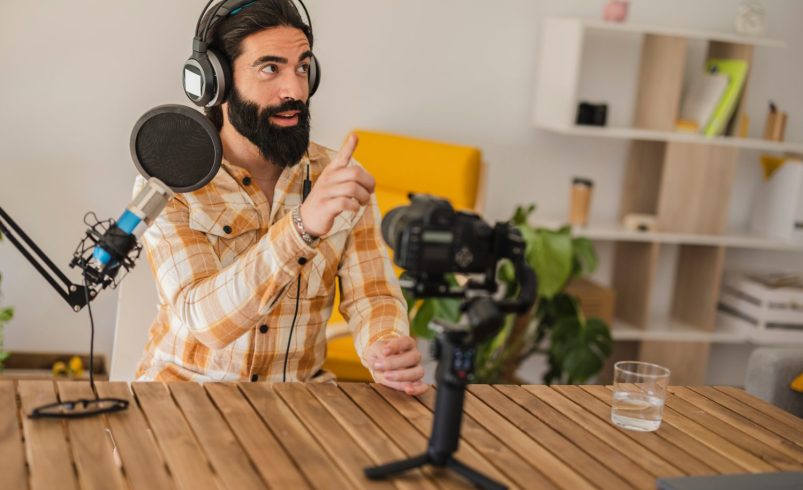
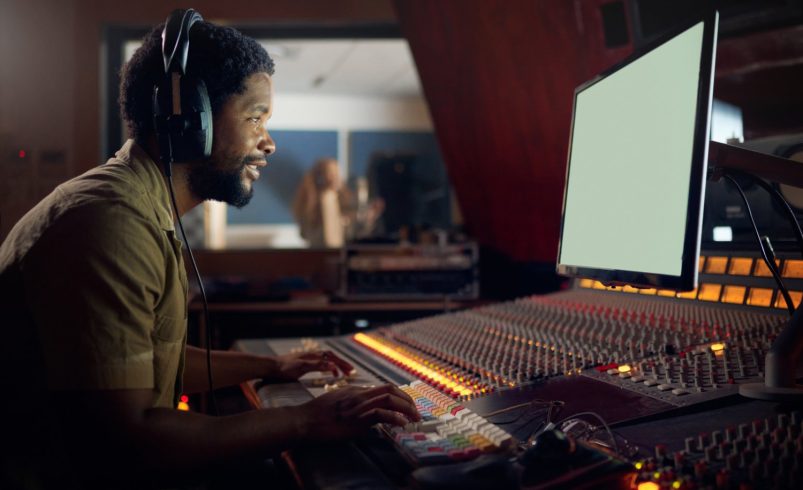
- Use quality headphones to listen for interference, wind, or distortion.
- Check input levels to prevent clipping or low volume.
- Record test clips before starting the full shoot.
Example: A lifestyle vlog along Chicago streets benefits from headphones to detect traffic sounds that might overpower the subject’s voice.
6. Consider Using External Recorders
Recording to an external device provides better control and quality:
- Allows higher bitrates and better fidelity.
- Enables syncing with camera audio in post-production.
- Provides backup in case of camera mic failure.
Example: Capturing live street music in Chicago, using an external recorder ensures the instruments and vocals are clear despite ambient noise.
7. Plan for Consistency
Outdoor conditions change quickly, affecting sound quality:
- Track the sun and wind direction during the shoot.
- Adjust microphone placement as light and wind conditions shift.
- Take multiple takes if necessary to ensure consistent audio.
Example: Filming an outdoor cooking video near Chicago’s lakefront may require repositioning the mic as the sun moves, changing light and temperature.
8. Post-Production Cleanup
Even with careful recording, post-production is essential for perfect audio:
- Apply noise reduction to remove hums, wind, or background sounds.
- Equalize voice frequencies for clarity and presence.
- Normalize volume levels to maintain consistency across clips.
Example: A music performance outdoors benefits from post-production to reduce wind noise while keeping the natural ambiance intact.
Conclusion
Recording clear audio outdoors requires preparation, the right equipment, and careful attention to environmental factors. Using appropriate microphones, wind protection, monitoring audio, and employing post-production techniques ensures professional results. Whether filming on Chicago streets, parks, or waterfronts, mastering outdoor audio capture elevates your videos, enhances storytelling, and ensures viewers stay fully immersed in your content.