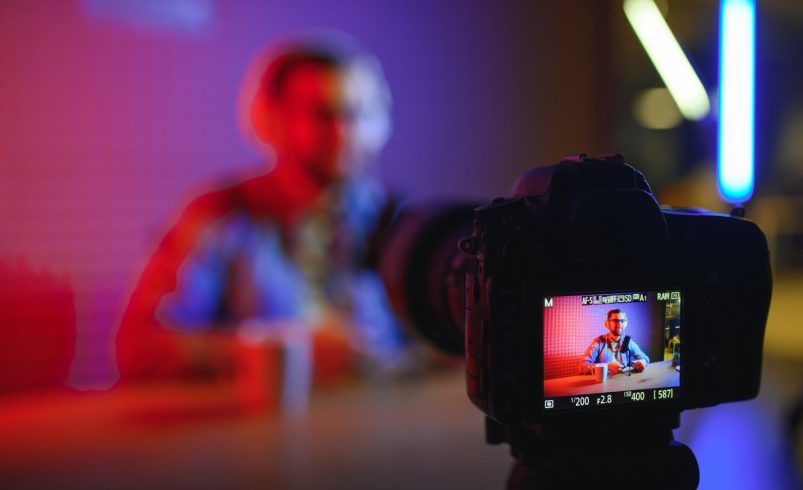
Cinematography is more than capturing images—it’s a tool for evoking emotion. For freelance videographers in Chicago, understanding how camera choices, composition, and lighting influence viewer feelings is essential for creating powerful, memorable videos.
This guide explains the key cinematic elements that shape emotion in visual storytelling.
1. Camera Angles Influence Perception
The angle at which you shoot a subject affects how audiences feel:
- High Angles: Make subjects appear small, vulnerable, or powerless
- Low Angles: Convey strength, dominance, or importance
- Eye-Level Shots: Offer neutrality and connection
Choosing the right angle amplifies the emotional tone of each scene.
2. Camera Movement Evokes Feeling
Movement creates rhythm, energy, and emotional response:
- Tracking Shots: Follow subjects to build immersion or tension
- Push-Ins: Emphasize key moments or emotional reactions
- Handheld Shots: Convey urgency, chaos, or intimacy
Dynamic motion engages viewers and influences how they experience the story.
3. Framing and Composition Affect Mood
How subjects are arranged within the frame impacts emotional resonance:
- Close-Ups: Highlight subtle expressions or details
- Wide Shots: Establish context, isolation, or grandeur
- Foreground/Background Layers: Create depth and perspective
Thoughtful framing strengthens storytelling and shapes emotional impact.
4. Lighting Sets the Emotional Tone
Lighting is one of the most powerful tools in cinematography:
- Soft Lighting: Evokes warmth, comfort, or romance
- Harsh Shadows: Convey tension, fear, or conflict
- Color Temperature: Warm hues feel inviting; cool tones suggest melancholy or tension
Adjusting light intensity, direction, and color directly influences audience emotion.
5. Color Palette Enhances Storytelling
Color communicates mood and reinforces narrative themes:
- Warm Colors: Energize, evoke joy, or highlight intimacy
- Cool Colors: Suggest calmness, isolation, or suspense
- Desaturated Tones: Convey melancholy, realism, or nostalgia
Consistent color use helps create emotional continuity throughout the video.
6. Depth of Field Directs Focus and Emotion
Controlling focus affects how viewers perceive a scene:
- Shallow Depth of Field: Isolates subjects and emphasizes emotion
- Deep Focus: Shows relationships between subjects and environment
- Rack Focus: Directs attention dynamically to highlight story beats
Focus choices guide the viewer’s emotional attention naturally.
7. Motion and Rhythm Create Emotional Flow
The pacing of camera movement mirrors narrative emotion:
- Slow, Steady Shots: Convey reflection, calm, or suspense
- Quick Cuts and Movement: Build tension, excitement, or urgency
- Follow Action: Immerses viewers in movement and emotional intensity
Synchronizing motion with storytelling enhances engagement.
8. Visual Symbolism Adds Emotional Depth
Objects, settings, or recurring motifs can reinforce feelings:
- Props and Environment: Suggest emotional subtext or character traits
- Patterns and Repetition: Build anticipation or emphasize themes
- Symbolic Color or Light: Evokes subconscious emotional responses
Symbolism adds layers of meaning beyond dialogue or action.
9. Combine Techniques for Maximum Impact
Cinematography works best when multiple elements align:
- Angle + Lighting: High-angle + harsh shadows = vulnerability
- Movement + Focus: Dolly-in + shallow depth = emotional emphasis
- Composition + Color: Framing + palette = mood reinforcement
Strategic combinations elevate storytelling and emotional resonance.
10. Final Thoughts
Cinematography is a powerful tool for shaping emotion in Chicago videography. By controlling angles, movement, framing, lighting, color, focus, and symbolism, you can craft videos that connect deeply with viewers.
Understanding how each visual choice influences feelings ensures your projects are not only visually stunning but emotionally compelling, leaving a lasting impression on your audience.