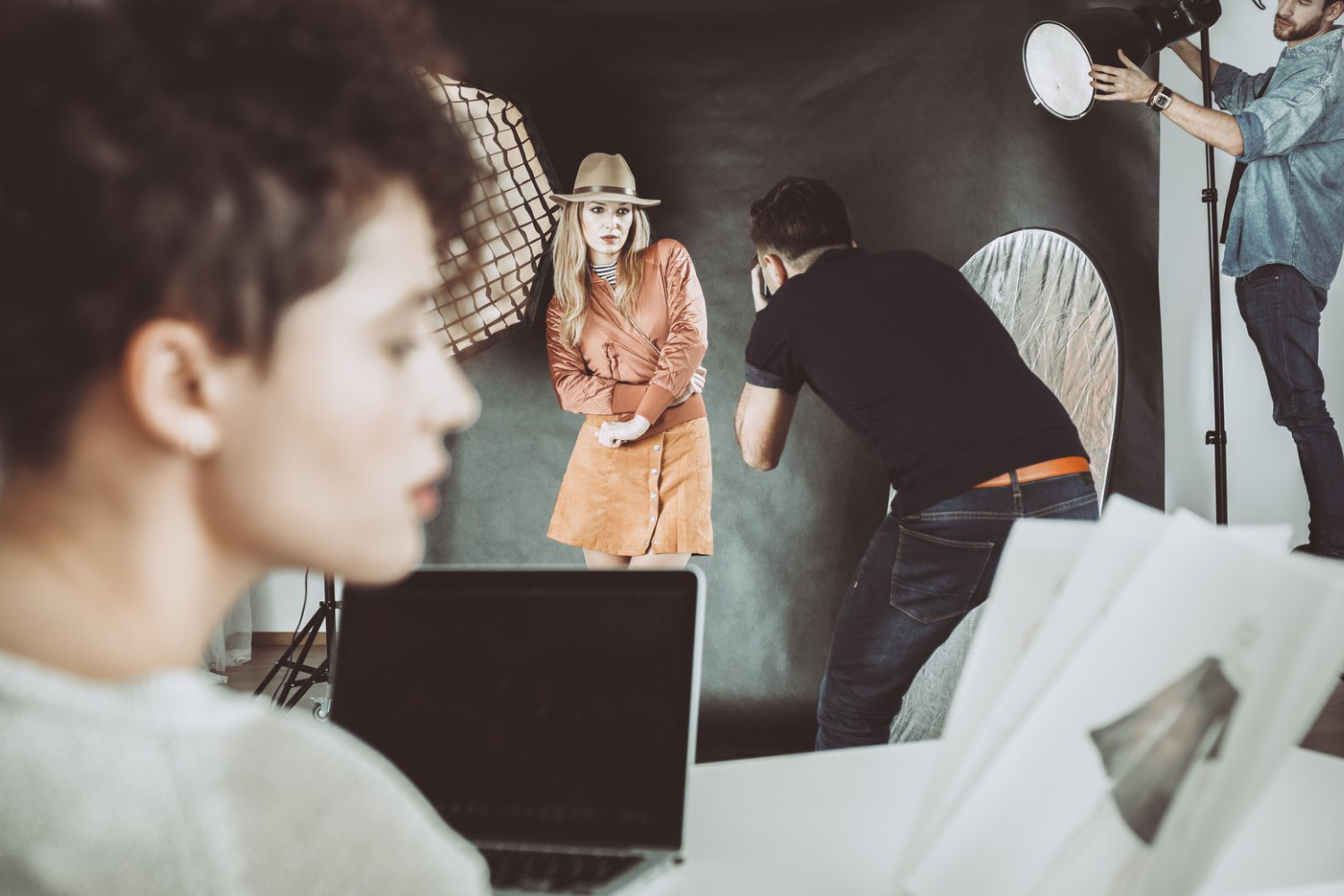
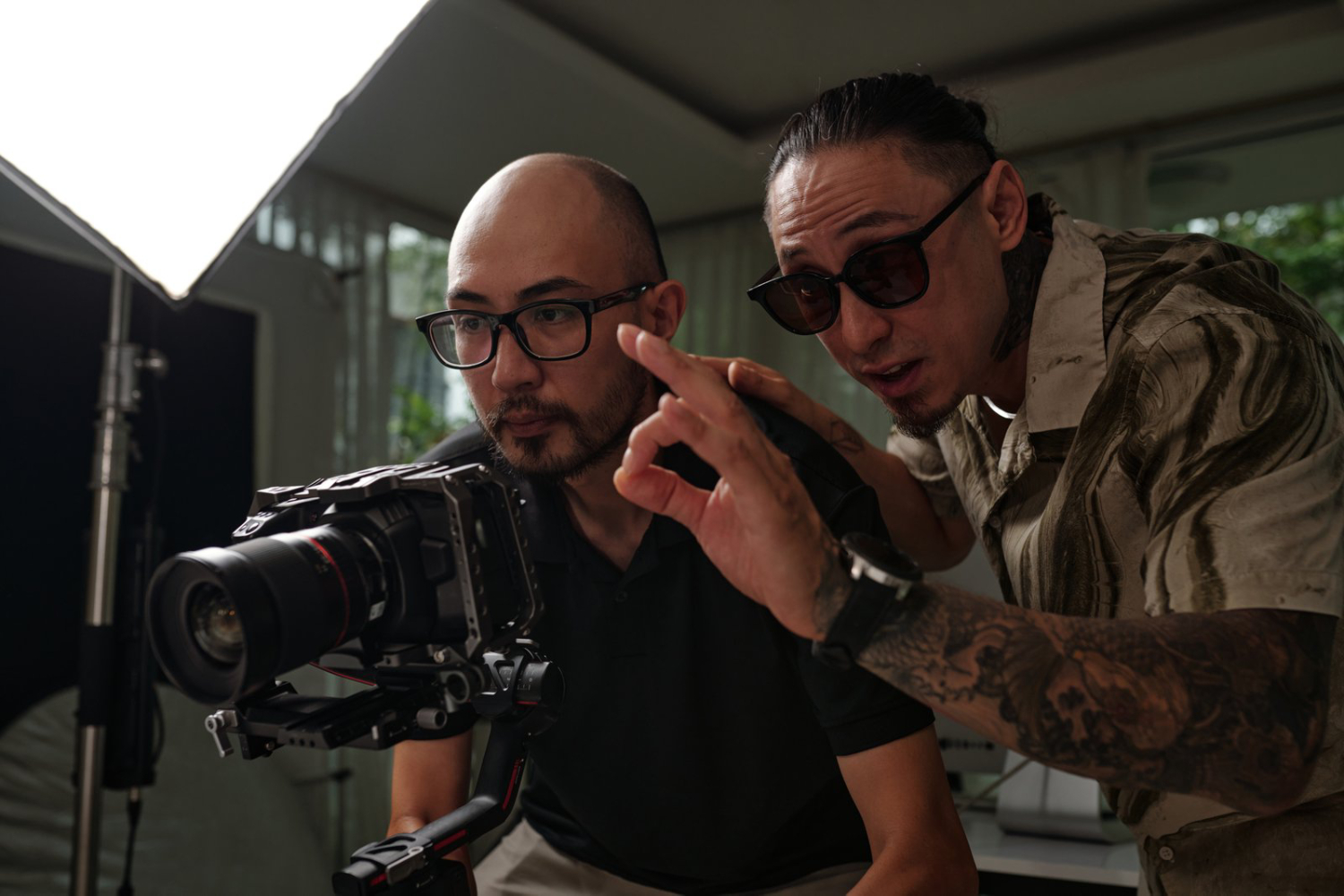
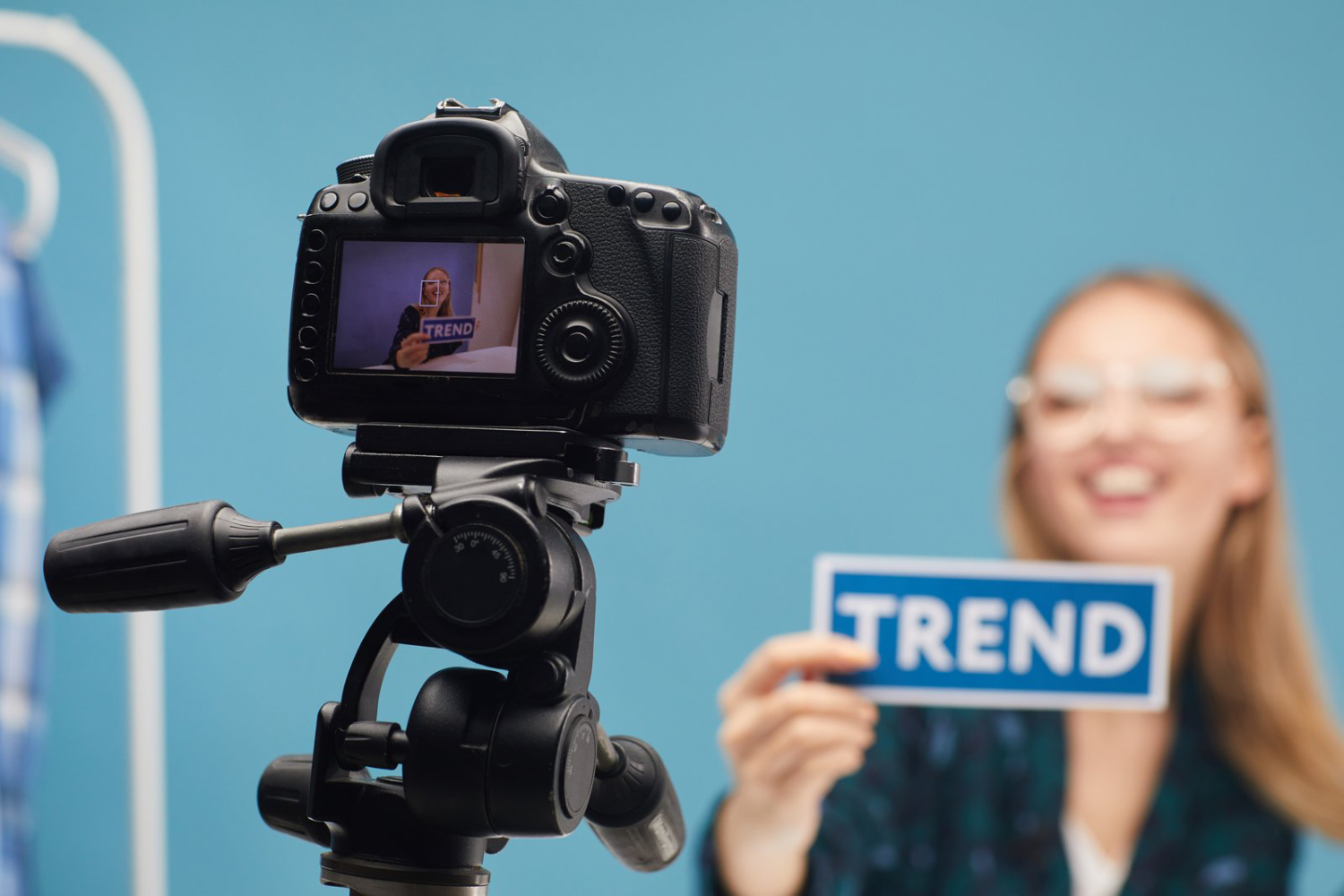
For freelance videographers, continuous skill improvement is essential to stay competitive and creative. One of the most effective and enjoyable ways to develop your craft is by engaging in videography challenges. These challenges push you out of your comfort zone, encourage experimentation, and help you build a versatile portfolio.
Whether you’re based in Chicago or working remotely, these challenges can be tailored to your environment, equipment, and creative goals. This guide explores fun videography challenges, their benefits, and practical tips for execution.
1. The 1-Minute Story Challenge
Short-form storytelling is a critical skill for modern videographers. The 1-minute story challenge focuses on telling a compelling narrative within 60 seconds.
Challenge Goals
- Convey a complete story with a beginning, middle, and end.
- Develop pacing and visual storytelling efficiency.
- Experiment with tight editing and impactful visuals.
Execution Tips
- Plan your shots carefully to maximize the short timeframe.
- Use close-ups and dynamic camera movements to communicate emotion.
- Leverage music, sound effects, or voiceovers for storytelling depth.
Example: Capture a brief encounter in a busy Chicago street, highlighting emotion, movement, and context in one minute.
2. One-Location Shoot Challenge
Shooting in a single location tests your creativity in using available space to tell a story.
Challenge Goals
- Maximize the storytelling potential of one environment.
- Experiment with camera angles, lighting, and composition.
- Improve planning and pre-production skills.
Execution Tips
- Scout the location for unique features: textures, colors, or lighting patterns.
- Incorporate movement through handheld shots, sliders, or gimbals.
- Use props, reflections, or shadows creatively to add depth.
Example: Film a short drama in a café or public park in Chicago, using a single location creatively to enhance the narrative.
3. Silent Storytelling Challenge
Visual storytelling without dialogue encourages stronger composition, emotion, and sound design.
Challenge Goals
- Develop the ability to communicate narrative visually.
- Enhance skills in framing, lighting, and pacing.
- Focus on sound, music, and ambient audio to convey emotion.
Execution Tips
- Storyboard your narrative to ensure clarity.
- Use facial expressions, gestures, and body language effectively.
- Edit sequences carefully to maintain rhythm and engagement.
Example: Capture a street performer’s day in Chicago, emphasizing movement, environment, and audience reactions without spoken words.
4. Color Palette Challenge
Using a consistent color palette improves visual cohesion and creative storytelling.
Challenge Goals
- Strengthen skills in color theory and grading.
- Develop a signature visual style.
- Enhance aesthetic appeal of short films or social media content.
Execution Tips
- Select a dominant color theme and integrate it into costumes, props, and environment.
- Adjust lighting to enhance chosen colors.
- Apply color grading in post-production for consistency.
Example: Create a short film in autumn, highlighting Chicago’s fall foliage with complementary wardrobe and set design colors.
5. POV (Point-of-View) Challenge
Shooting from a character’s perspective immerses viewers and enhances empathy.
Challenge Goals
- Learn creative camera angles and framing techniques.
- Develop immersive storytelling skills.
- Experiment with first-person cinematography.
Execution Tips
- Use a stabilizer, gimbal, or helmet-mounted camera for smooth movement.
- Combine POV shots with external angles to maintain clarity.
- Incorporate sound design to reinforce the viewer’s perspective.
Example: Film a cyclist navigating Chicago streets, combining POV and environmental shots for an immersive experience.
6. Speed Editing Challenge
Rapid editing challenges improve efficiency and decision-making in post-production.
Challenge Goals
- Enhance technical editing skills.
- Learn to make fast, yet effective, creative decisions.
- Build confidence in using editing software under time constraints.
Execution Tips
- Set a strict time limit for editing a sequence or project.
- Focus on essential cuts, pacing, and flow rather than perfection.
- Review results to identify strengths and areas for improvement.
Example: Edit a 3-minute Chicago street montage in 2 hours, emphasizing rhythm and visual coherence.
7. Micro-Documentary Challenge
Create a short documentary focusing on a single subject, issue, or event.
Challenge Goals
- Develop research, interviewing, and observational skills.
- Practice concise storytelling in short-form documentaries.
- Strengthen your ability to highlight essential elements quickly.
Execution Tips
- Conduct pre-interviews to identify key story angles.
- Capture b-roll footage to complement interviews and narrative.
- Balance storytelling, visuals, and pacing within the time limit.
Example: Document a local Chicago artist’s creative process, showing their work, tools, and inspiration.
8. Night Filming Challenge
Shooting after dark hones your skills in low-light conditions, lighting design, and exposure control.
Challenge Goals
- Improve technical skills in lighting, ISO settings, and shutter speed.
- Experiment with creative use of artificial and ambient light.
- Capture visually stunning nocturnal cityscapes.
Execution Tips
- Use fast lenses and stabilize cameras to avoid motion blur.
- Utilize streetlights, neon signs, or LEDs as creative light sources.
- Plan shots to maximize safety while filming at night.
Example: Film Chicago’s illuminated skyline, incorporating reflections on rivers and streets for cinematic effect.
9. Movement & Tracking Challenge
Mastering motion in videography enhances visual storytelling and cinematic appeal.
Challenge Goals
- Improve skills in smooth panning, tracking, and dolly shots.
- Learn to integrate motion creatively into narratives.
- Strengthen coordination between camera movement and action.
Execution Tips
- Use sliders, gimbals, or handheld stabilizers for smooth shots.
- Practice following moving subjects while maintaining framing.
- Combine static and dynamic shots for variety.
Example: Track a runner along the Chicago lakefront, using smooth pans and motion to convey speed and emotion.
10. Multi-Angle Storytelling Challenge
Filming the same scene from multiple perspectives builds versatility in editing and storytelling.
Challenge Goals
- Learn to capture events from diverse angles.
- Develop editing skills for multi-angle sequences.
- Improve narrative cohesion through visual variety.
Execution Tips
- Plan camera placement to maximize coverage and storytelling potential.
- Experiment with high, low, and creative angles.
- Sync audio carefully to maintain continuity.
Example: Film a street performance in Chicago from wide, medium, and close-up shots, then edit into a cohesive narrative.
11. Collaboration Challenges
Working with other creatives fosters learning and new perspectives.
Challenge Goals
- Expand your creative network.
- Gain exposure to new techniques, styles, and workflows.
- Enhance adaptability in collaborative environments.
Execution Tips
- Partner with musicians, dancers, actors, or fellow videographers.
- Set clear goals and define roles to maintain focus.
- Share feedback constructively and incorporate ideas.
Example: Create a short music video with a local Chicago band, blending performance and cinematic storytelling.
12. Benefits of Videography Challenges
Engaging in challenges offers multiple advantages for freelancers:
- Skill Development: Rapid learning through focused exercises.
- Portfolio Expansion: Short, completed projects that showcase range.
- Creativity Boost: Pushing limits sparks new ideas.
- Client Attraction: Demonstrates versatility and adaptability to potential clients.
- Personal Growth: Encourages resilience, experimentation, and problem-solving.
13. Tips for Sustaining Momentum
To get the most from videography challenges, maintain consistency and structure:
- Set Goals: Define what skills or techniques you want to develop.
- Document Progress: Keep notes, screenshots, or video drafts for reflection.
- Share Work: Post on social media, personal websites, or video platforms for feedback.
- Experiment Freely: Don’t fear mistakes; failures often lead to innovation.
- Schedule Regular Challenges: Incorporate weekly or monthly exercises to maintain growth.
14. Conclusion
Videography challenges are an exciting and effective way for freelancers to sharpen skills, boost creativity, and build a dynamic portfolio. By experimenting with storytelling formats, visual techniques, and collaborative projects, freelancers can expand their craft and stand out in a competitive market.
Chicago provides a rich canvas for creativity, from bustling streets and cultural festivals to serene parks and striking architecture. Engaging in challenges such as the 1-minute story, silent storytelling, night filming, and multi-angle sequences allows videographers to refine technical skills while exploring artistic expression.
Ultimately, consistent practice through fun challenges not only enhances your technical capabilities but also inspires innovative approaches to storytelling, elevating both personal projects and client work. Embrace challenges as opportunities, and each project will bring you closer to mastering the art of videography.