Handheld filming is a powerful tool for videographers — it provides mobility, spontaneity, and a dynamic perspective that tripods and gimbals can’t always match. Whether capturing street life, events, or cinematic sequences in Chicago, handheld shooting allows freedom of movement and creative storytelling.
However, without proper stabilization, handheld footage can appear shaky, amateurish, and difficult to watch. In 2026, mastering handheld filming techniques — combined with modern tools — can elevate your videos to a professional standard. This guide covers essential tips, equipment recommendations, and practical techniques for achieving smooth, cinematic handheld shots.
1. Why Stabilization Matters in Handheld Filming
Shaky footage can distract viewers, making even the most compelling scenes feel amateur. Stabilization ensures:
- Professional Appearance: Clean, steady shots reflect higher production quality.
- Better Viewer Engagement: Smooth footage is easier to watch and more immersive.
- Creative Flexibility: Stabilization allows dynamic camera movements, including tracking shots, low angles, and action sequences.
Example: Walking through Chicago’s Millennium Park with handheld equipment can capture the city’s vibrancy, but without stabilization, pedestrians, uneven sidewalks, and natural camera movement can produce distracting shakes.
2. Essential Equipment for Handheld Stability
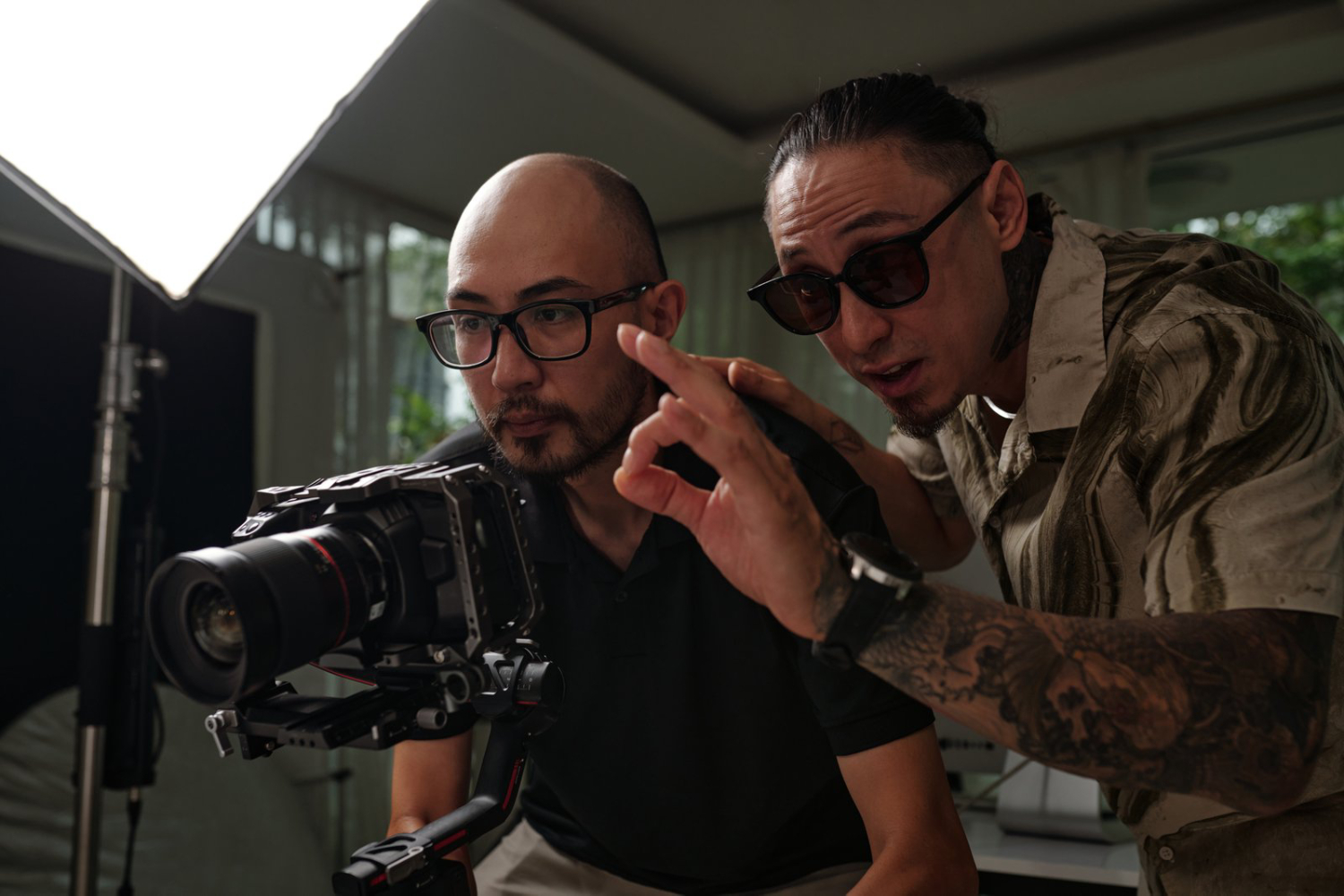
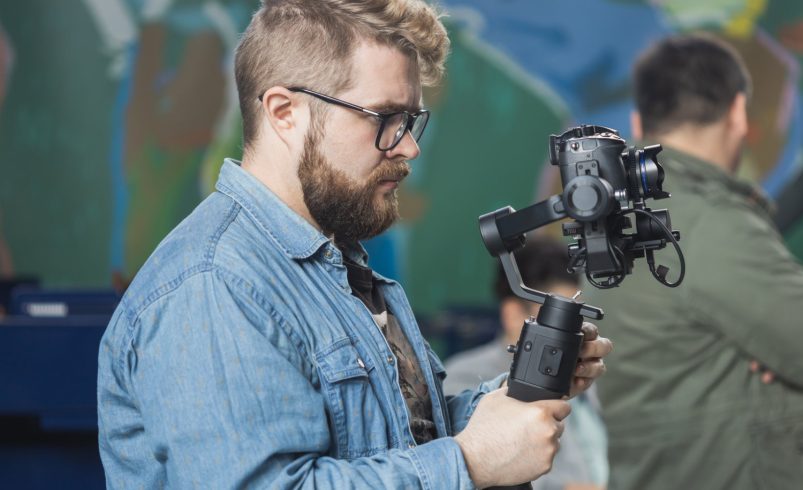
1. Handheld Gimbals
- Motorized gimbals actively stabilize cameras, compensating for movements and shakes.
- Ideal for mirrorless, DSLR, and cinema cameras.
- Examples: DJI Ronin-S3, Zhiyun Crane 3S.
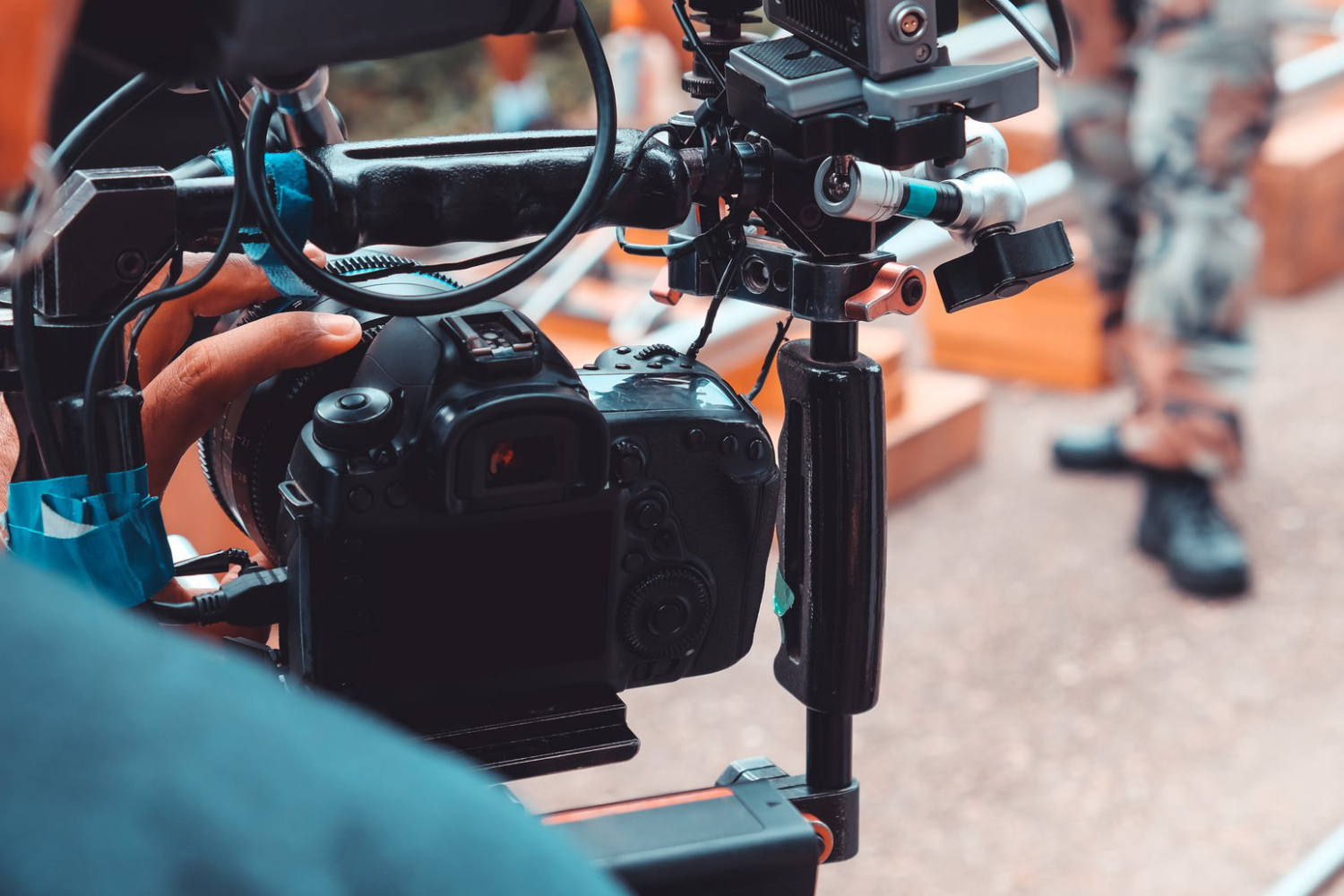
2. Shoulder Rigs
- Shoulder-mounted rigs distribute camera weight across your body.
- Reduce fatigue and improve shot stability for longer filming sessions.
- Useful for documentary, event coverage, or walk-and-talk sequences.
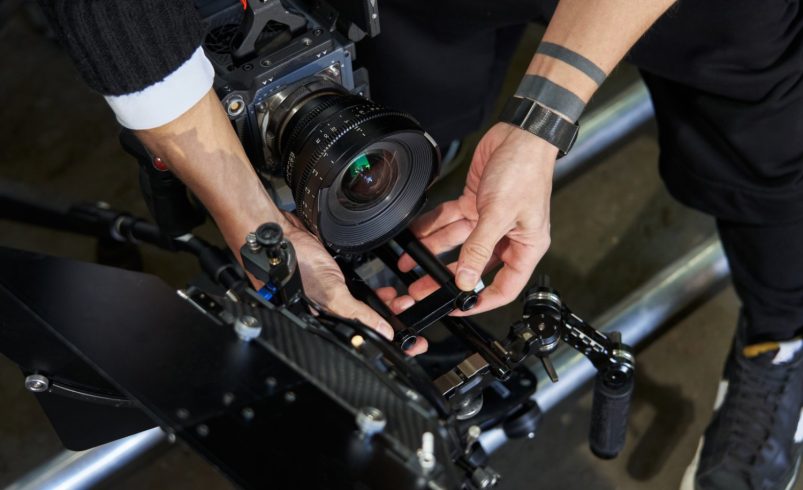
3. Hand Grips and Cage Systems
- Lightweight cages and grips offer extra control over your camera.
- Allow more fluid, natural movements while holding the camera.
- Affordable options for mirrorless and DSLR cameras.
4. Image Stabilized Lenses or Cameras
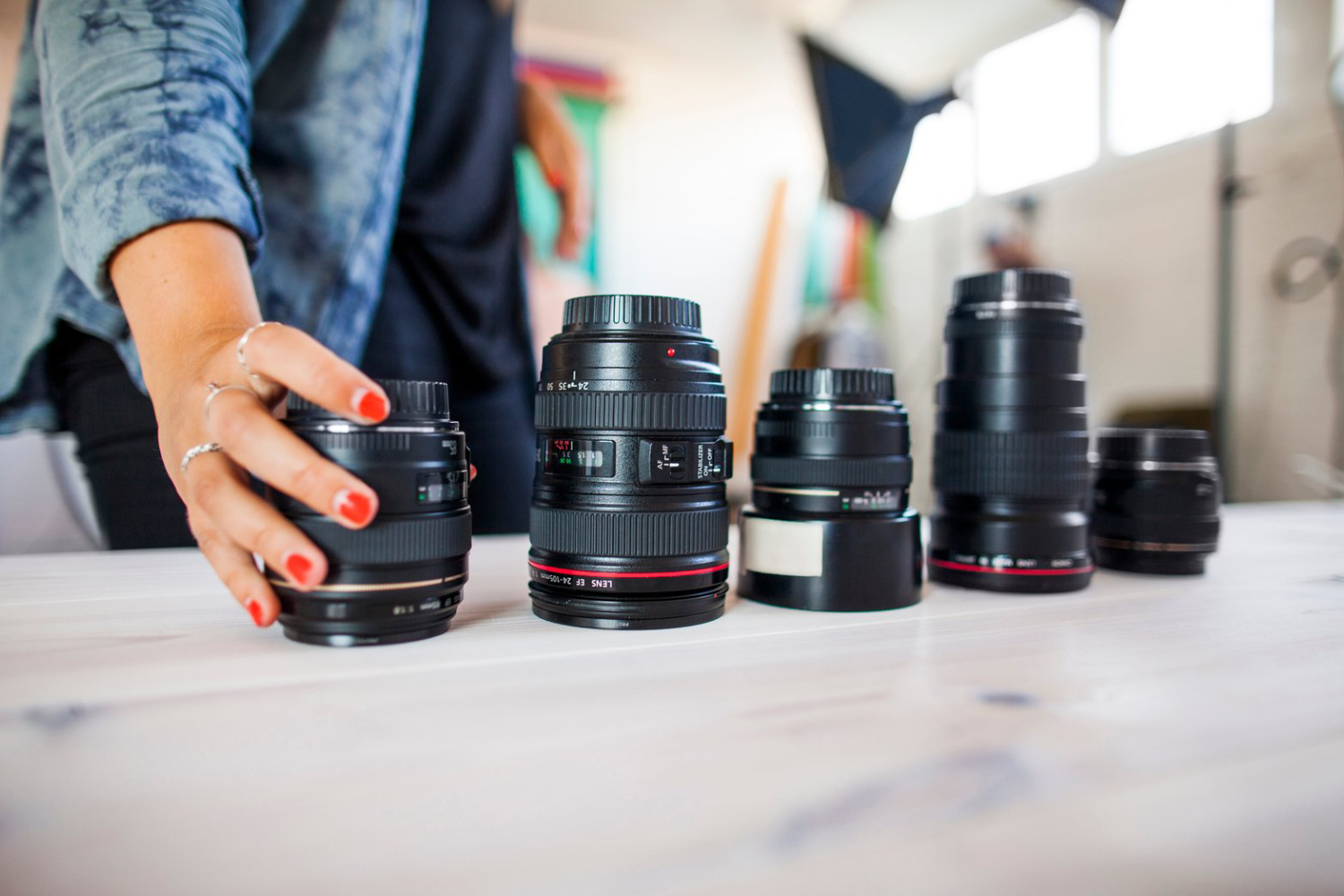
- Some lenses include optical stabilization (OIS).
- Modern cameras often feature in-body image stabilization (IBIS).
- Combining OIS with handheld techniques produces smoother results.
3. Core Techniques for Handheld Stability
1. Grip and Posture
- Hold the camera with both hands — one on the grip, one supporting the lens or body.
- Keep elbows close to your body to reduce shake.
- Maintain a stable stance, with feet shoulder-width apart.
2. Walking Techniques
- Bend your knees slightly and walk heel-to-toe to minimize bounce.
- Move smoothly and avoid abrupt steps.
3. Breathing Control
- Take deep, controlled breaths before moving the camera.
- Exhale slowly as you execute shots to reduce upper body movement.
4. Arm and Body Movement
- Keep arms relaxed, not locked.
- Let your body act as a natural stabilizer, absorbing small shakes.
5. Focus and Composition
- Pre-frame shots and anticipate movements.
- Planning shots reduces unnecessary camera adjustments mid-filming.
4. Advanced Handheld Techniques
1. The “Ninja Walk”
- Borrowed from film sets, involves bending knees and taking soft, deliberate steps.
- Perfect for interior scenes or smooth city walk sequences.
2. Camera Low and High Angles
- Use low angles for dramatic effect and high angles for overviews.
- Stabilize with body control or a mini tripod as a base if needed.
3. Panning and Tilting
- Use slow, controlled motions with your arms and torso.
- Avoid jerky wrist movements.
4. Tracking Shots
- Follow moving subjects smoothly by matching their pace.
- Combine handheld techniques with gimbals or stabilizers for best results.
Example: Following a street performer on Chicago’s Riverwalk, slow tracking and smooth panning maintain cinematic flow.
5. Combining Handheld with Accessories
- Gimbals: Combine handheld grip with motorized stabilization for ultimate smoothness.
- Sliders: Portable sliders provide smooth horizontal movement for short scenes.
- Tripod/Monopod Hybrid: Switch between handheld mobility and tripod stability when needed.
Example: A Chicago travel videographer might use a handheld gimbal for street scenes, a slider for food shots in a café, and a tripod for time-lapse sequences — all in one shoot.
6. Editing Tricks to Enhance Handheld Footage
Even with stabilization techniques, minor shakes may remain. Post-production can help:
1. Warp Stabilizer (Premiere Pro / Final Cut Pro)
- Smooths shaky footage digitally.
- Best applied sparingly to avoid unnatural warping.
2. Rolling Shutter Correction
- Corrects camera sensor distortions caused by fast movements.
- Ensures lines and verticals remain straight in cityscape shots.
3. Crop and Reframe
- Slightly crop edges to remove wobble.
- Reframing can compensate for minor shakes.
4. Color and Exposure Adjustment
- Consistent color grading masks small inconsistencies in handheld shots.
- Helps footage appear intentional and polished.
7. Practical Tips for Chicago Videographers
- Scout Locations: Identify smooth walking paths and avoid uneven surfaces when possible.
- Use Natural Stabilizers: Railings, walls, and benches can serve as temporary supports.
- Lightweight Setup: Lighter cameras are easier to stabilize handheld.
- Practice Movement: Rehearse movements to synchronize body and camera motion.
- Time Your Shots: Avoid rushing; smoothness is achieved through patience.
Example: A handheld shoot along Chicago’s Navy Pier benefits from scouting smooth areas and using slight body pivoting for smooth panning of ferris wheels and skyline shots.
Conclusion
Handheld filming remains a versatile, creative tool for videographers in 2026. While tripods and gimbals provide ultimate stability, mastering handheld techniques allows you to capture spontaneous moments, dynamic perspectives, and cinematic storytelling.
By combining proper posture, walking techniques, breathing control, and equipment like gimbals, rigs, and image-stabilized lenses, you can achieve professional-quality footage even in challenging environments. Post-production stabilization and editing further refine your handheld shots.
For videographers in Chicago, handheld filming opens up countless opportunities — from bustling streets and outdoor festivals to interior interviews and travel vlogs. With patience, practice, and the right tools, handheld footage can rival the smoothness of gimbals and tripods, giving your videos a natural, immersive feel that resonates with audiences.