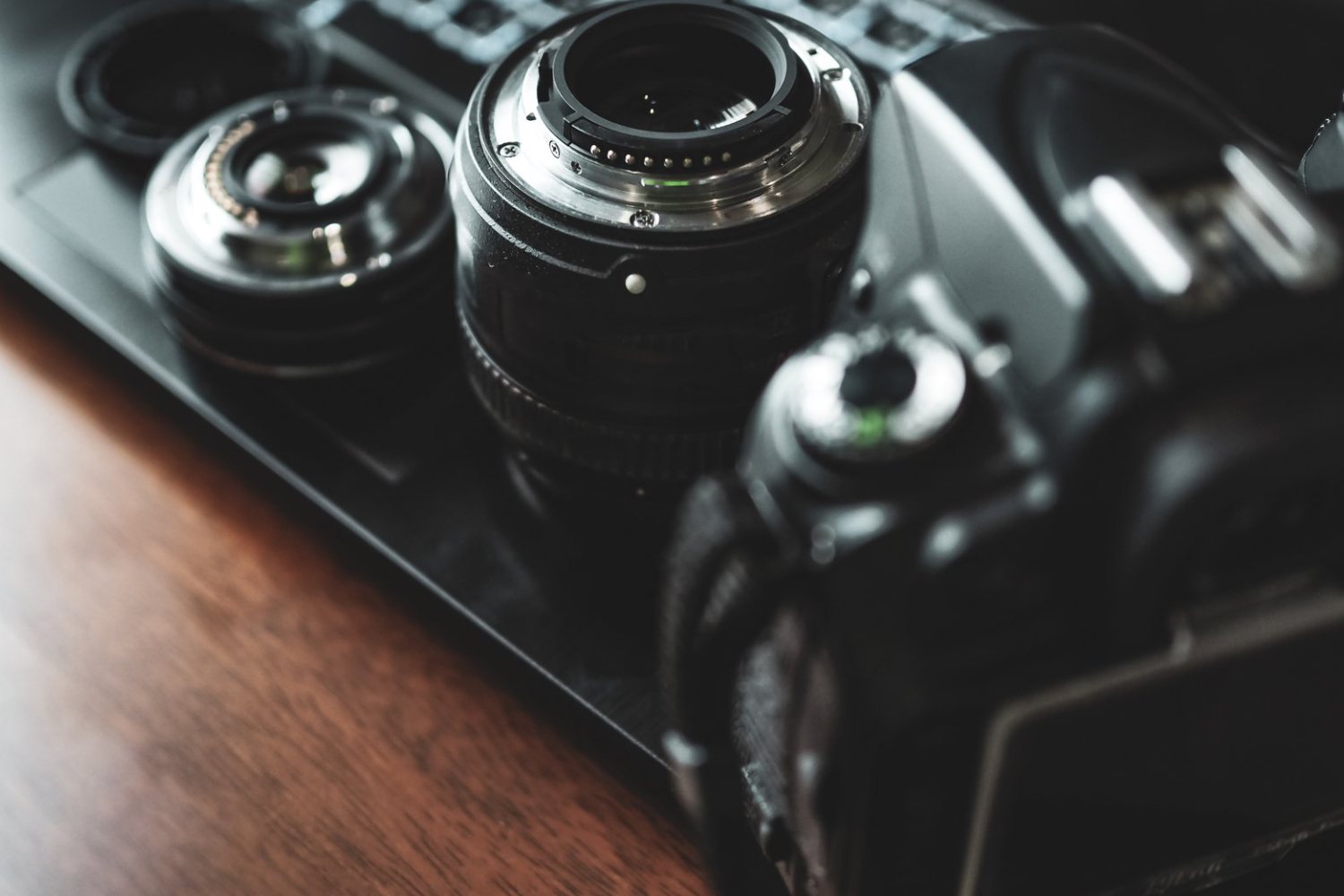
Starting your videography journey can feel overwhelming — especially when choosing your first camera. With so many options on the market, understanding which cameras deliver professional‑looking video without breaking the bank is key. Fortunately, 2026 brings more budget‑friendly choices than ever before, offering excellent image quality, reliable autofocus, and practical video features that help you grow as a creator.
Whether you’re in Chicago capturing street scenes, event videos, travel content, or cinematic vlogs, the right affordable camera gives you the freedom to learn, experiment, and build your portfolio. In this guide, we’ll walk through the best budget cameras for beginner videographers, what to look for in an affordable setup, and how to maximize your gear without overspending.
1. What Makes a Good “Beginner” Video Camera?
Before listing specific models, let’s set what beginners truly need:
Video Quality
- 4K video is increasingly standard — even on affordable cameras.
- Look for good low‑light performance since many shoots happen outdoors or in mixed lighting.
Autofocus
Beginners benefit hugely from reliable autofocus so you can focus on composition and storytelling.
Ease of Use
Menu systems and controls should be intuitive — not overwhelming.
Portability
Lightweight cameras are easier to carry around for travel, events, and street videography.
Mic Input
Even budget cameras with a microphone jack dramatically improve audio quality — a must for interviews and narrative work.
2. Sony ZV‑E10 — Best All‑Around Budget Camera for Video
Why it’s great for beginners:
- Designed specifically for content creators.
- Excellent autofocus with real‑time eye and subject tracking.
- Great 4K video with no crop.
- Fully articulating screen — perfect for vlogging and solo shooting.
- Lightweight and portable.
Features
- APS‑C sensor (excellent balance of quality and size)
- 4K up to 30 fps, Full HD up to 120 fps
- Vari‑angle LCD touchscreen
- Dedicated video settings and presets
Ideal for:
- YouTube creators
- Travel videos
- Interviews and storytelling
Example:
A Chicago vlogger filming at Millennium Park or along the Riverwalk gets sharp footage, face‑tracking autofocus, and smooth color straight out of the camera.
3. Canon EOS M50 Mark II — Easy & Affordable Starter Camera
Why it’s a solid choice:
- One of the most user‑friendly cameras for beginners.
- Canon’s Dual Pixel autofocus is smooth and reliable for video.
- Clean HDMI output — great if you want to use the camera as a webcam.
Features
- 24.1 MP APS‑C sensor
- 4K recording (with a mild crop)
- Flip‑out screen
- Built‑in Wi‑Fi and Bluetooth
Ideal for:
- Vlogging
- Small event coverage
- Beginner cinematic shorts
Example:
A Chicago food blogger shooting in tight indoor spaces benefits from the flip‑out screen and stable autofocus, keeping audio and visuals tight while on the go.
4. Panasonic Lumix G85 — Rugged and Reliable Micro Four Thirds Option
Why it’s good for beginners who want pro features on a budget:
- Built‑in 5‑axis image stabilization — greatly helps hand‑held video.
- Durable build and weather sealing.
- Good color science for cinematic looks.
Features
- Micro Four Thirds sensor
- 4K 30 fps
- Twin image stabilization (in‑body + lens)
- High‑quality slow motion in Full HD
Ideal for:
- Outdoor, travel, and documentary videography
- Beginners who will grow into motion camera work
Example:
Filming Chicago street performers or festivals without gimbals or stabilizers is more achievable thanks to its excellent onboard stabilization.
5. Fujifilm X‑S10 — Great All‑Rounder Under $1000
Why it’s worth considering:
- Fantastic handling with tactile dials.
- Excellent color science straight out of camera.
- Strong 4K video with great detail.
Features
- 26.1 MP APS‑C sensor
- 4K up to 30 fps
- In‑body image stabilization (IBIS)
- Vari‑angle touchscreen
Ideal for:
- Hybrid creators (photo + video)
- Cinematic projects on a budget
Example:
A travel diary capturing Chicago architecture and lifestyle scenes benefits from color profiles and IBIS for clean, stable footage.
6. GoPro HERO12 Black — Action and On‑the‑Go Filming
Why it’s special:
- Small, rugged, waterproof camera.
- Easy to use with minimal setup.
- Excellent stabilization and high‑frame‑rate options.
Features
- 5.3K video
- HyperSmooth stabilization
- Compact and lightweight
- Built‑in time‑lapse and motion modes
Ideal for:
- Action shots
- POV filming
- B‑roll sequences
Example:
A Chicago bike tour along Lakefront Trail or speed‑ramped B‑roll of street scenes becomes easy with a GoPro attached to a helmet, gimbal, or chest mount.
7. DJI Pocket 3 — Ultra‑Compact Filmmaking Tool
Why it’s so useful:
- Pocket‑sized camera with a built‑in gimbal.
- Smooth footage even while walking or moving.
- Easy to learn and operate.
Features
- Built‑in 3‑axis gimbal
- 4K/60 video
- Face tracking and motion modes
Ideal for:
- Solo creators and travel filmmakers
- Walk‑through videos and real‑time narratives
Example:
Walking tours, interviews with B‑roll, and cinematic clips of Millennium Park look stable and polished with minimal gear.
8. Sony A6000 Series (Older Models) — Budget PRO Video Value
Why older mirrorless cameras still matter:
- Affordable used market pricing.
- Solid APS‑C image quality and autofocus.
- A great first step before upgrading to higher models.
Features
- Great 1080p and some 4K variants
- Strong lens ecosystem
- Compact form factor
Ideal for:
- Beginner filmmakers
- Students and hobbyists
Example:
Capture Chicago festivals and documentary scenes without expensive gear — perfect for beginners on a tight budget.
9. Essential Accessories for Affordable Setups
Even the best budget camera needs accessories to shine:
External Microphone
- Lavalier or shotgun mics dramatically improve audio quality.
- Budget options like Rode VideoMicro or Boya lavs go a long way.
Tripod / Gimbal
- Tripods stabilize interviews and b‑roll.
- Affordable handheld gimbals smooth movement footage.
Extra Batteries & Cards
- Videography eats batteries fast — always have spares.
- Fast SD cards (V60 or above) for smooth 4K recording.
ND Filters
- Control exposure outdoors without altering depth of field.
- Essential for Chicago sun or bright skies.
10. Tips for Getting the Most from Your Budget Camera
Practice with Limitations
Low‑budget cameras teach discipline. Learn framing, lighting basics, and composition rather than relying on tech.
Shoot in Good Light
Even cheaper sensors perform well with good lighting. Chicago’s golden hour is your best friend.
Use Manual Settings
Auto mode is fine at first — but manual exposure, ISO, and white balance unlock cinematic quality.
Edit Thoughtfully
Good editing (color and pacing) elevates cheap footage into something that looks expensive.
Conclusion
You don’t need to spend thousands to start creating professional videos — especially in 2026. Cameras like the Sony ZV‑E10, Canon EOS M50 Mark II, Panasonic Lumix G85, Fujifilm X‑S10, GoPro HERO12 Black, DJI Pocket 3, and even older Sony A6000 models provide real video capabilities for beginner creators.
Each has its strengths: some excel in autofocus, others in stabilization, low light, or user‑friendly menus. The best choice depends on your style, subjects, and shooting conditions — but all of the above deliver great video quality without costing a fortune.
With the right gear, good lighting, and thoughtful editing, you can produce videos that look polished, engaging, and professional — whether you’re capturing Chicago’s skyline, events, travel stories, or cinematic shorts.