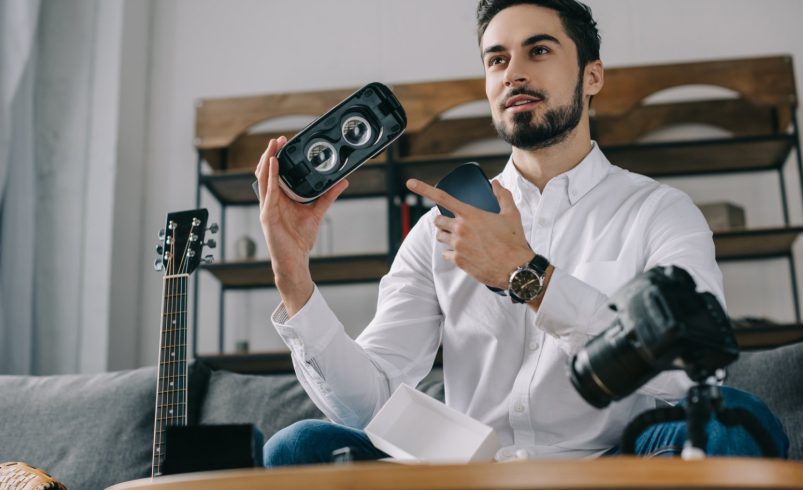
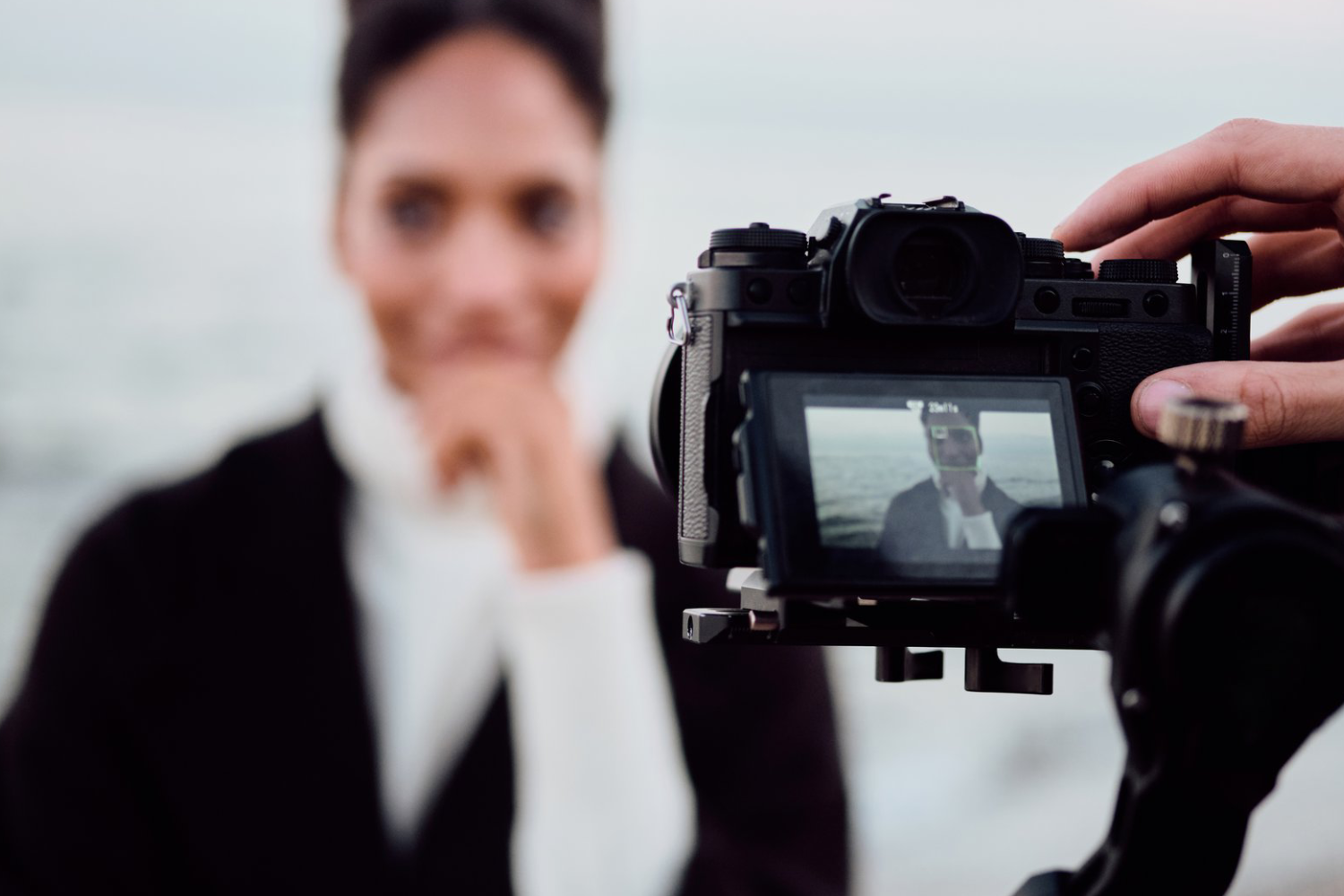
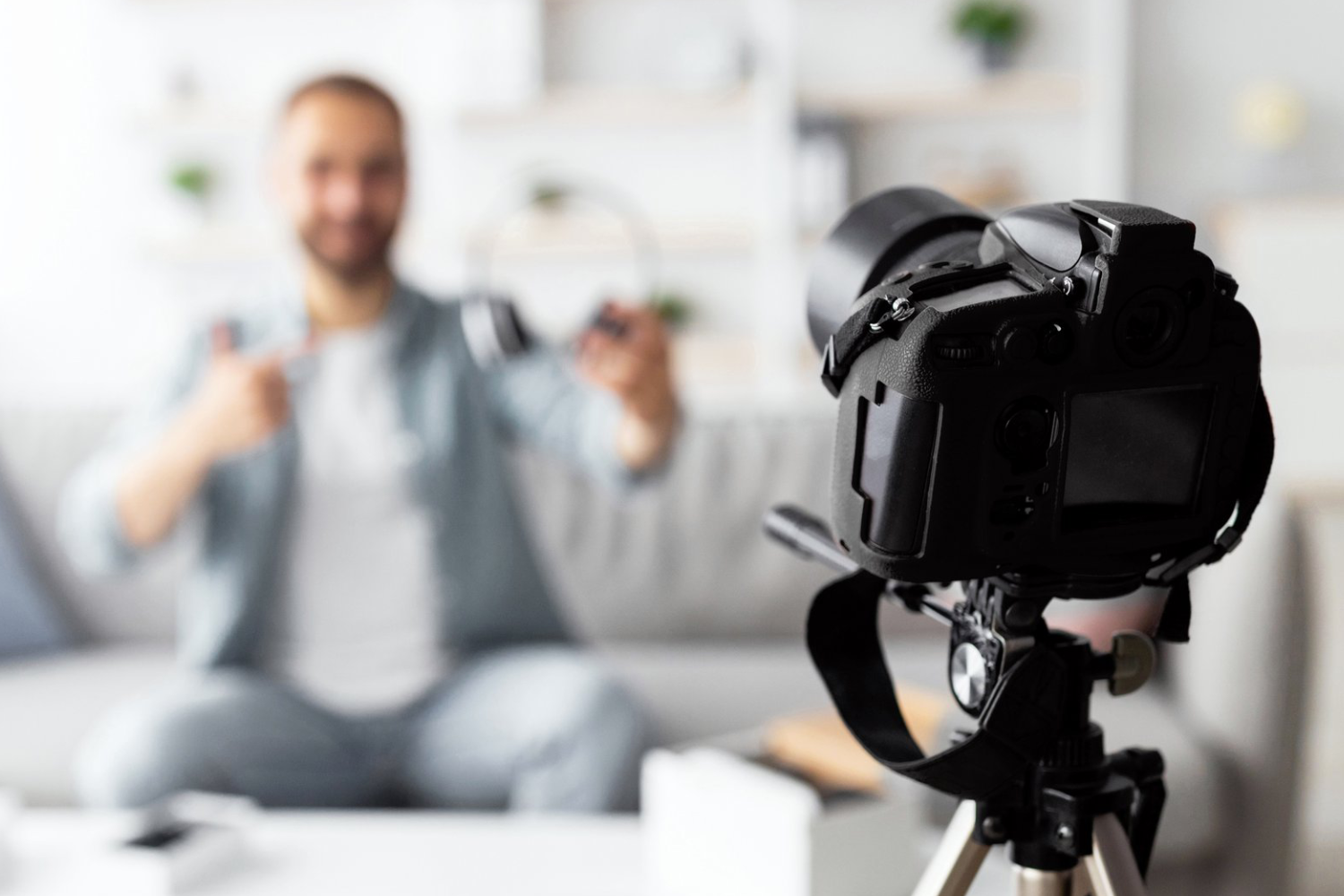
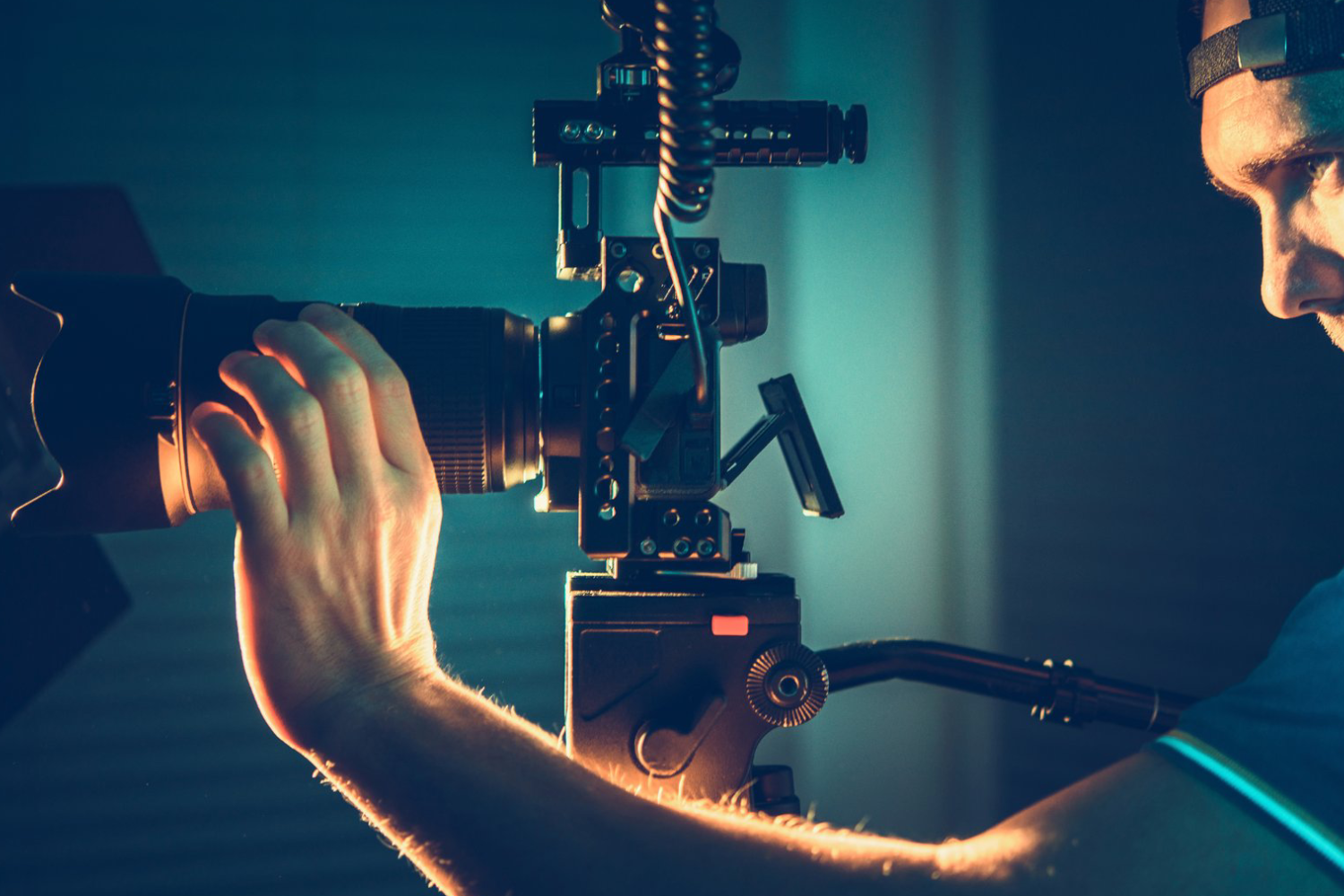
Harsh shadows can distract viewers, obscure details, and make your videos appear amateurish. Controlling shadows is essential for professional-looking videography, whether you’re shooting interviews, cinematic scenes, or vlogs. By managing light sources and using proper techniques, you can achieve soft, flattering illumination that enhances your subject and storytelling.
This guide provides practical tips for avoiding harsh shadows in indoor and outdoor videography, helping you create clean, polished footage.
1. Use Diffused Lighting
Direct light produces strong shadows. Diffusing your light softens its impact and creates even illumination.
Tips:
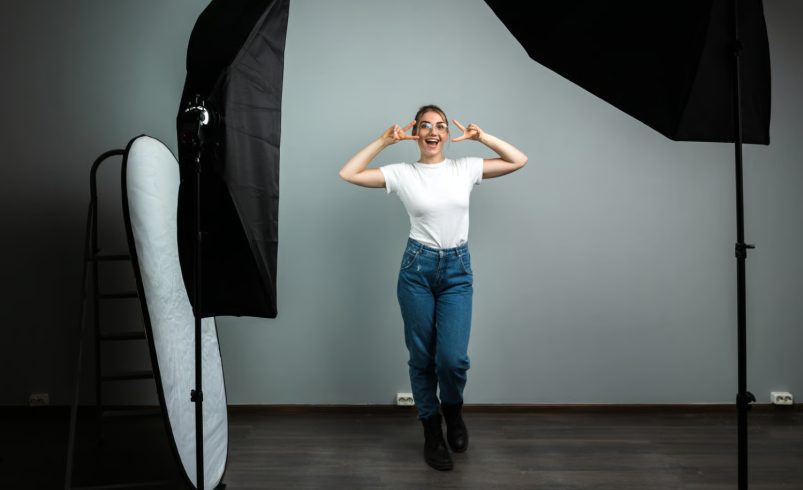
- Use softboxes, umbrellas, or diffusion panels.
- Bounce light off walls, ceilings, or reflectors.
- Avoid pointing lights directly at the subject without diffusion.
Example: Filming an interview in a Chicago loft with a softbox reduces hard lines on the subject’s face and produces a natural look.
2. Position Lights Properly
The placement of lights significantly affects shadows.
Tips:
- Place key lights at a 45-degree angle from the subject.
- Use fill lights on the opposite side to reduce shadow intensity.
- Raise or lower lights to avoid unflattering angles.
Example: A cooking tutorial in a Chicago kitchen benefits from key and fill lights arranged to illuminate the chef while minimizing countertop shadows.
3. Use Multiple Light Sources
Relying on a single light often creates harsh, unbalanced shadows. Multiple sources distribute light evenly.
Tips:
- Combine natural and artificial lights for soft results.
- Employ backlights to separate the subject from the background.
- Use side or accent lights to control shadow depth.
Example: Filming a model in Grant Park uses sunlight as key light, a reflector as fill, and a small LED backlight for separation.
4. Adjust Exposure and Camera Settings
Proper camera settings complement lighting control.
Tips:
- Avoid overexposure that exaggerates shadows.
- Use ISO, aperture, and shutter speed to balance brightness.
- Monitor histograms for even exposure.
Example: A Chicago street performance shot during the day may need adjusted ISO and aperture to avoid strong shadows caused by sunlight.
5. Avoid Hard Overhead Light
Ceiling lights or midday sun can cast unflattering shadows under eyes and chin.
Tips:
- Replace or diffuse overhead lights.
- Use side lighting for more flattering angles.
- Adjust angles to minimize shadow intensity.
Example: An office interview with fluorescent overhead lights can be improved with softbox lighting positioned at 45-degree angles.
6. Use Reflectors to Fill Shadows
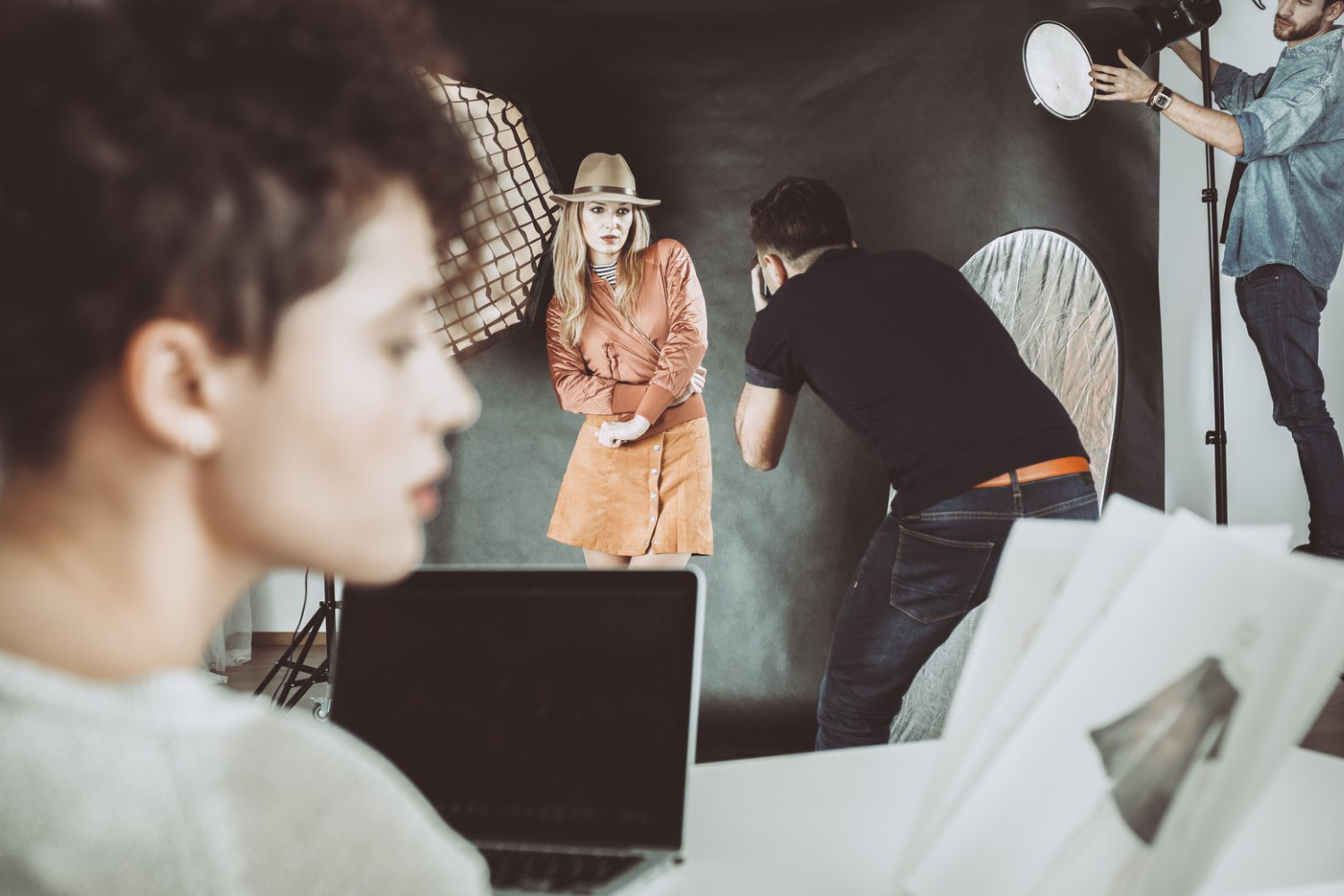
Reflectors bounce light into shaded areas, reducing harsh shadows without adding extra lights.
Tips:
- White or silver reflectors provide soft, neutral fill.
- Position to fill areas that need subtle illumination.
- Combine with natural or artificial key lights for balance.
Example: A portrait in a Chicago café uses a small white reflector to brighten the subject’s face while keeping shadows natural.
7. Mind Background Shadows
Shadows cast onto walls or floors can be distracting.
Tips:
- Keep the subject away from walls if possible.
- Use backlighting to separate subject from the background.
- Adjust angles to minimize unwanted shadows.
Example: Filming a product demonstration in a Chicago studio, keeping the product a few feet from the wall reduces strong backdrop shadows.
8. Experiment and Test
Lighting is dynamic and depends on environment, time of day, and subject.
Tips:
- Record test footage to evaluate shadows.
- Make small adjustments to intensity, angle, and distance.
- Adapt to changing natural light if shooting outdoors.
Example: Outdoor lifestyle shots at Chicago’s Navy Pier require testing as sunlight shifts and reflections off water change shadows.
Conclusion
Avoiding harsh shadows is essential for professional videography. By using diffused lighting, multiple light sources, proper placement, reflectors, and thoughtful camera settings, you can create soft, flattering illumination that enhances your subjects. Consistent practice and testing in varied indoor and outdoor environments, like Chicago studios, parks, and streets, will improve your ability to control shadows, ensuring your videos look polished, cinematic, and visually appealing.