High-quality audio is as important as clear visuals in videography. Poor sound can distract viewers and diminish the impact of even the most stunning footage. Capturing clean, crystal-clear audio requires understanding your environment, choosing the right equipment, and using proper techniques.
Whether you’re filming interviews, vlogs, or cinematic projects in Chicago’s busy streets, parks, or studios, mastering audio capture ensures your videos are professional and engaging.
1. Choose the Right Microphone
Your microphone is the first step toward clear audio. There are several types:
- Lavalier (Lapels): Ideal for interviews or talking-head videos. Clips to clothing for hands-free capture.
- Shotgun Microphones: Directional microphones that capture focused sound from the subject while reducing background noise.
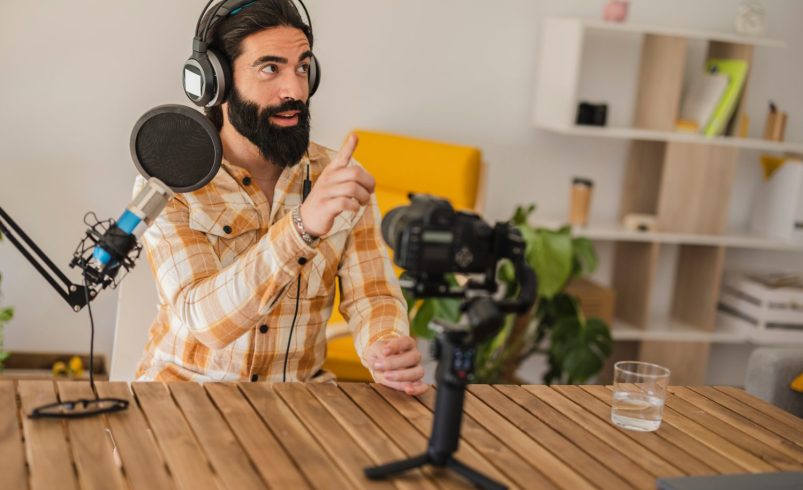
- Condenser Microphones: Sensitive mics best for studio recordings or controlled environments.
Example: For an interview at Millennium Park, a shotgun mic mounted on a boom captures the subject’s voice clearly while minimizing crowd noise.
2. Minimize Background Noise
Environmental noise can ruin your audio.
Tips:
- Scout locations to find quieter spots.
- Use noise-reduction tools in post-production.
- Turn off fans, AC units, or other noisy equipment indoors.
Example: Filming a cooking tutorial in a Chicago loft may require closing windows and turning off appliances to reduce background noise.
3. Proper Mic Placement
Correct placement ensures your audio is clear and natural.
Tips:
- Position microphones close to the subject’s mouth without touching.
- Avoid placing lavaliers near jewelry or clothing that may rub and create noise.
- Keep shotgun mics aligned with the sound source, ideally within 2–3 feet.
Example: A street musician filmed on the Chicago Riverwalk benefits from a boom mic positioned just above and in front to capture clean vocals.
4. Use Wind Protection Outdoors
Wind noise can distort audio during outdoor filming.
Tips:
- Use windshields or dead cats on microphones.
- Position mics away from direct wind flow if possible.
- Monitor audio levels with headphones.
Example: A drone interview by Lake Michigan uses a windscreen on the mic to maintain clean, natural sound.
5. Monitor Audio During Recording
Always monitor live audio to catch issues immediately.
Tips:
- Use headphones to detect distortions, hums, or background noise.
- Adjust input levels to avoid clipping or low volume.
- Record a test clip before shooting the full scene.
Example: While filming a vlog in Chicago’s Grant Park, headphones help ensure the subject’s voice remains clear amidst background chatter.
6. Use External Recorders When Needed
Internal camera microphones are convenient but often lack clarity. External recorders provide superior audio quality.
Tips:
- Sync audio in post-production if recording separately.
- Record at higher bitrates for better sound fidelity.
- Use dual recording for backup in critical projects.
Example: Recording a live music session at Chicago’s Lincoln Hall with an external recorder captures rich, detailed sound.
7. Acoustic Considerations Indoors
Room acoustics affect audio clarity.
Tips:
- Avoid large empty rooms that cause echoes.
- Use carpets, curtains, or foam panels to dampen reflections.
- Position microphones away from reflective surfaces like windows or walls.
Example: A product review filmed in a Chicago studio uses sound-absorbing panels to reduce echo and maintain clarity.
8. Post-Production Cleaning
Even with good recording practices, minor edits improve audio quality.
Tips:
- Use noise reduction plugins to remove hiss or hum.
- Equalize vocals to enhance clarity.
- Normalize audio levels to maintain consistency across clips.
Example: Editing an outdoor cooking tutorial, noise reduction and EQ adjustments ensure the chef’s instructions are crystal clear despite street noise.
Conclusion
Capturing crystal-clear audio is essential for professional videography. By choosing the right microphone, controlling background noise, monitoring levels, and applying post-production techniques, you can ensure your videos sound as good as they look. Mastering audio capture in various environments—from Chicago streets to indoor studios—elevates your content, engages viewers, and enhances storytelling through sound.