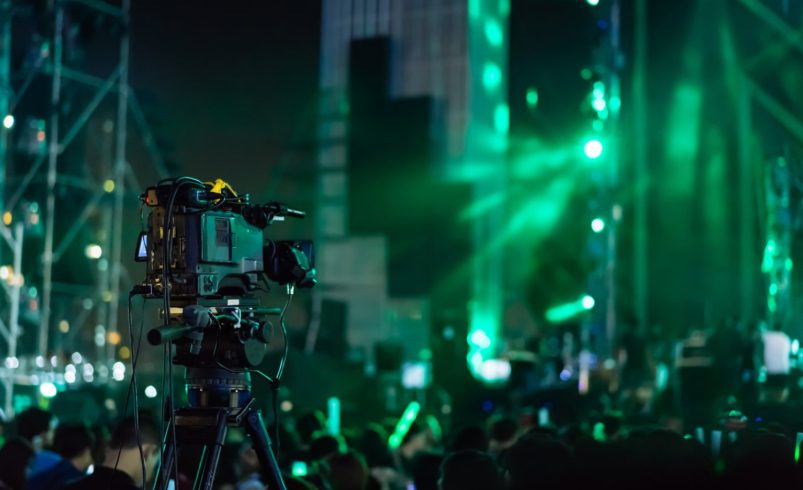
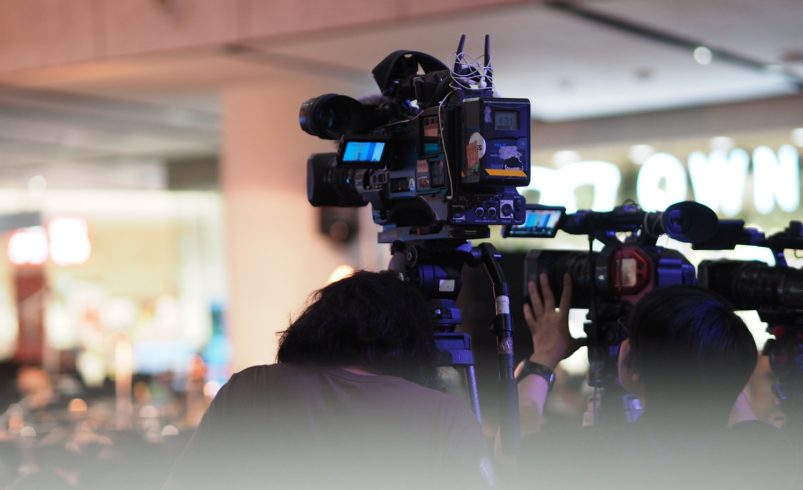
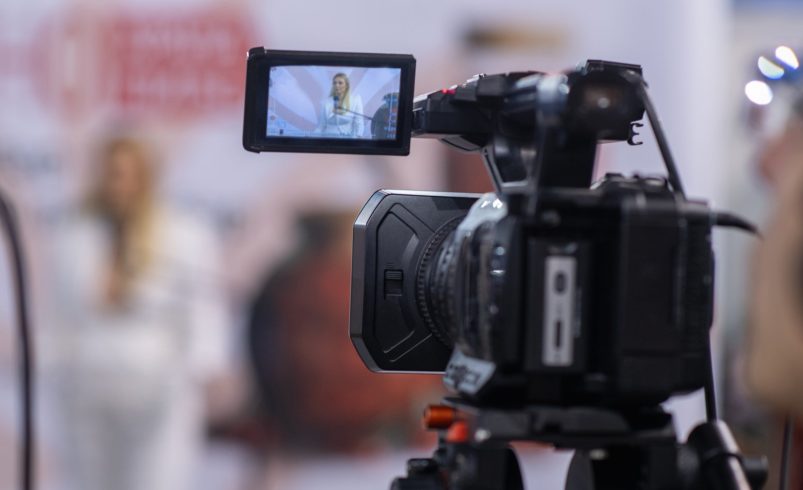
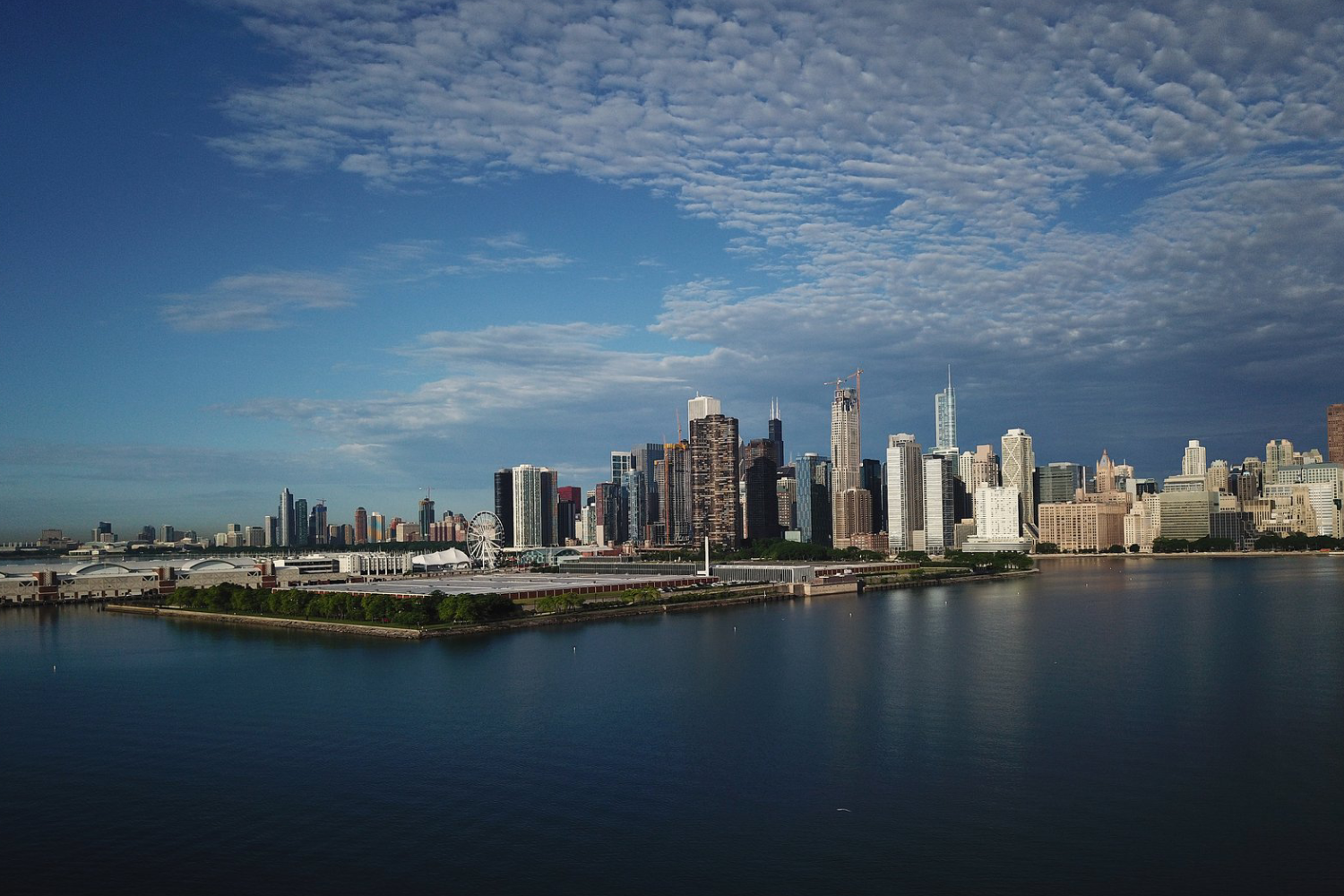
Filming concerts and live events in Chicago is both exciting and challenging. From intimate club performances to large-scale music festivals, capturing the energy, emotion, and spectacle of live events requires careful preparation, technical skill, and creative vision.
This guide provides practical tips and strategies for videographers looking to produce professional-quality concert and live event videos in Chicago.
1. Pre-Event Preparation
Research the Venue and Event
Chicago hosts a wide variety of live events, from iconic venues like Chicago Theatre to outdoor festivals such as Lollapalooza. Before the event:
- Visit the venue to understand sightlines, stage layout, and lighting conditions
- Check for restrictions on tripods, drones, and additional lighting
- Learn about performance schedules to anticipate key moments
Know Your Gear
- Cameras with excellent low-light performance are essential for dim concert environments
- Fast lenses (f/1.4 – f/2.8) help capture sharp footage under challenging lighting
- Bring multiple memory cards and batteries for uninterrupted filming
Plan Your Shots
- Identify must-have moments: key songs, audience reactions, or artist interactions
- Decide on camera positions: front of the stage, side angles, and crowd perspectives
- Create a shot list to ensure coverage of both performance and environment
2. Camera Techniques for Live Events
Stabilization
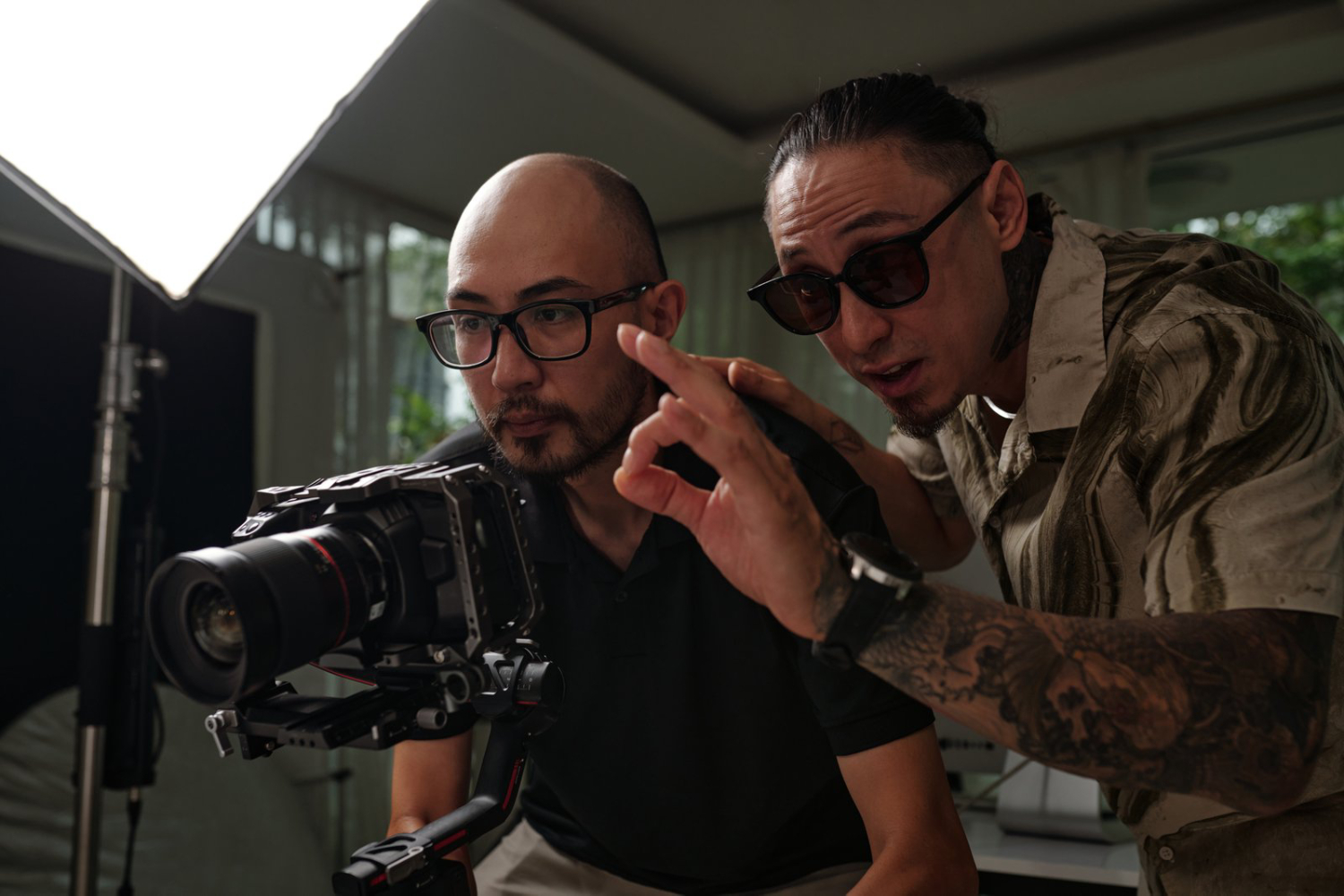
- Use gimbals for roaming shots through the audience
- Tripods or monopods are helpful for stationary wide-angle stage shots
Camera Settings
- Increase ISO for low-light situations but avoid excessive noise
- Use fast shutter speeds to freeze performers in motion
- Consider manual focus for dynamic shots, especially in changing stage lights
Multiple Angles
- Capture the performance from different perspectives: close-ups of performers, wide shots of the stage, and crowd reactions
- If working with a multi-camera setup, assign cameras to specific angles to avoid overlap
3. Lighting Considerations
Concert lighting can be dramatic but inconsistent:
- Backlighting can create striking silhouettes but may obscure facial details
- Spotlights may require exposure adjustments to avoid overexposure
- Consider using ND filters to control bright stage lights
For outdoor events, leverage natural light during daytime performances while planning for night-time artificial lighting challenges.
4. Capturing the Audience
The crowd’s energy is integral to live events:
- Film reaction shots, dancing, and interaction to convey atmosphere
- Capture wide crowd shots to establish scale and excitement
- Use slow-motion for dramatic moments like jumps, cheers, or confetti
Balancing performer footage with audience reactions creates a dynamic, immersive video.
5. Audio Recording
Audio is critical for live music videos:
- Use external microphones close to the stage for clean instrument and vocal capture
- Consider direct audio feeds from sound engineers, if available
- Record ambient crowd noise separately to layer into the final mix for realism
Proper audio planning ensures that the energy of the event translates effectively to the video.
6. Creative Techniques
Slow Motion and Time-Lapse
- Slow-motion highlights key performance moments, dance moves, or crowd interactions
- Time-lapses can showcase setup, audience arrival, or transitions between acts
Motion Shots
- Tracking shots through the audience create a sense of immersion
- Low-angle shots of performers can convey power and stage presence
Close-Ups
- Focus on instruments, hands, and facial expressions to tell the story of the performance
7. Handling Challenges
Low Light
- Use lenses with wide apertures
- Increase ISO while managing noise
- Stabilize shots to avoid blur from handholding
Crowds
- Plan routes for moving through the audience safely
- Maintain awareness to protect equipment and ensure smooth shooting
Fast-Paced Action
- Anticipate performers’ movements
- Shoot in bursts for unpredictable actions
- Use multiple cameras if possible to cover all angles
8. Post-Production Tips
Editing for Energy
- Sync footage with music for a cohesive rhythm
- Alternate between wide and close-up shots to maintain visual interest
- Highlight key moments while preserving overall flow
Color Grading
- Enhance mood using creative color adjustments
- Correct stage lighting inconsistencies for a polished final look
Audio Mixing
- Balance live performance audio with ambient crowd noise
- Add mastering effects to improve overall sound quality
9. Legal and Ethical Considerations
- Obtain permission from venues, performers, and organizers
- Respect audience privacy when sharing videos publicly
- Use licensed music or official audio feeds for commercial releases
Final Thoughts
Shooting concerts and live events in Chicago is a thrilling opportunity to capture vibrant performances and energetic crowds. By understanding the venue, planning your shots, mastering lighting and audio challenges, and applying creative filming techniques, videographers can produce engaging, high-quality videos.
Whether it’s an intimate jazz club, a large-scale festival, or a corporate concert, these strategies help ensure that every moment—both on stage and in the audience—is captured with cinematic professionalism, preserving the energy and excitement of Chicago’s live event scene.