Rule of Thirds and Composition Tips for Stunning Shots
- April 6, 2026
- 0
Composition is the foundation of visually compelling videography, and the rule of thirds is one of the simplest yet most powerful tools to achieve balance and aesthetic appeal.





Composition is the foundation of visually compelling videography, and the rule of thirds is one of the simplest yet most powerful tools to achieve balance and aesthetic appeal.
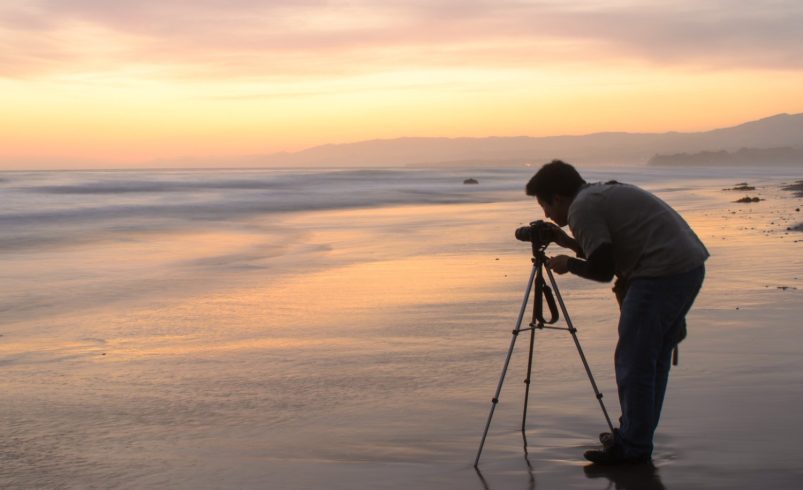
Composition is the foundation of visually compelling videography, and the rule of thirds is one of the simplest yet most powerful tools to achieve balance and aesthetic appeal. This principle guides the placement of subjects, objects, and points of interest within a frame, helping your videos feel natural and engaging. When combined with other composition techniques, it ensures that every shot tells a story and draws viewers’ attention to what matters most.
Whether filming urban landscapes, events, or cinematic projects in Chicago, mastering composition enhances professionalism and storytelling. This guide will cover the rule of thirds, additional composition tips, and practical ways to implement them in your videography projects.
The rule of thirds involves dividing your frame into nine equal parts using two horizontal and two vertical lines. Important elements should be placed along these lines or their intersections. This approach creates balance and naturally guides the viewer’s eye.
Tips:
Example: Filming a musician performing in Chicago’s Millennium Park can feel more engaging when the performer is placed along a vertical grid line, leaving negative space for context.
Leading lines guide viewers through your frame, creating depth and directing focus. Roads, railings, bridges, and architectural patterns are excellent examples.
Tips:
Example: Capturing a Chicago Riverwalk scene with converging lines from railings toward a subject adds perspective and cinematic appeal.
Effective composition often involves layering elements across different planes. Foreground adds depth, midground hosts the subject, and background provides context.
Tips:
Example: A wedding shoot in Chicago’s Lincoln Park can include trees in the foreground, the couple in the midground, and the skyline in the background for cinematic depth.
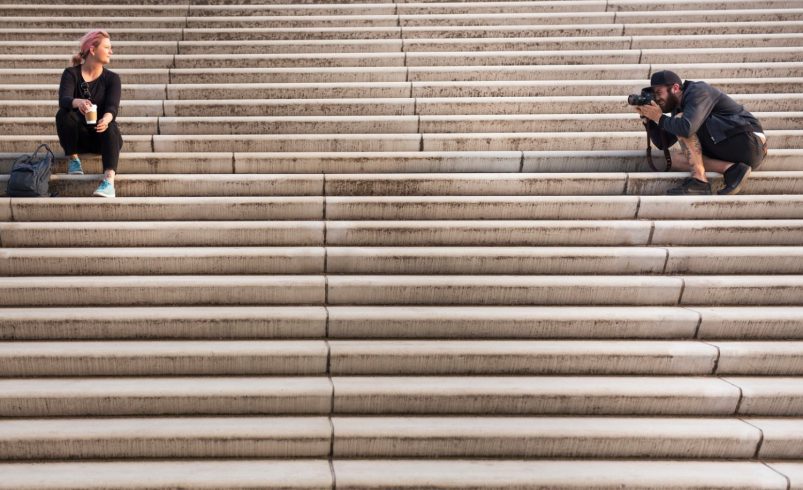
Negative space is the empty or open area around your subject. It can emphasize scale, isolation, or focus.
Tips:
Example: A solo skateboarder in a wide plaza gains prominence when surrounded by empty space, emphasizing movement and focus.
Symmetry and repeating patterns create visual interest and aesthetic satisfaction. Architectural locations like Chicago’s bridges, buildings, and interiors are ideal for this technique.
Tips:
Example: Filming a reflection of Chicago’s skyline on the Chicago River enhances symmetry and adds cinematic quality.
Frames within the frame—windows, doorways, arches, tree branches—add depth and context. They direct attention to the subject and provide a professional look.
Tips:
Example: A portrait of a performer framed by the arch of Chicago’s Chicago Theatre marquee draws focus while incorporating context.
Odd numbers of subjects or elements in a frame are often more visually appealing than even numbers, creating natural balance and interest.
Tips:
Example: Three dancers performing along the Chicago Riverwalk create a balanced, dynamic composition.
Composition isn’t just static; it applies to motion as well. Track your subjects thoughtfully and maintain framing consistency.
Tips:
Example: Filming a cyclist through Chicago streets using the rule of thirds and tracking motion maintains balance while emphasizing movement.
Mastering the rule of thirds and composition techniques elevates your videography by creating balanced, engaging, and professional-looking shots. By thoughtfully placing subjects, using leading lines, framing, negative space, and symmetry, you can guide viewers’ attention and tell compelling stories. Chicago’s diverse urban and natural environments offer countless opportunities to practice these techniques, allowing videographers to develop a signature style that captivates audiences. Regular practice, experimentation, and awareness of composition principles will help you produce visually stunning footage that stands out.