Starting a freelance videography business in Chicago can be both exciting and challenging. With its diverse neighborhoods, iconic architecture, and thriving creative industry, Chicago offers endless opportunities for videographers to build a successful freelance career. However, launching a business requires more than just technical skill—it demands strategic planning, business acumen, and a strong marketing approach.
This guide provides a step-by-step roadmap for starting a freelance videography business in Chicago, from legal setup to client acquisition and long-term growth.
1. Research the Market
Before starting your business, understand the local videography landscape:
- Identify your niche: Weddings, corporate events, real estate, commercials, or music videos
- Study competitors: Look at pricing, services offered, portfolio quality, and customer engagement
- Understand demand: Determine which services are most sought-after in Chicago’s neighborhoods and industries
Market research helps define your positioning and identify opportunities to differentiate your freelance business.
2. Legal and Administrative Setup
Starting legally ensures long-term stability:
- Business Structure: Choose between sole proprietorship, LLC, or corporation, depending on liability and tax considerations
- Licenses and Permits: Obtain any required city or state permits for filming in public spaces
- Insurance: Protect yourself with liability insurance, equipment coverage, and professional indemnity policies
Setting up your business correctly builds credibility and safeguards your investments.
3. Build Your Brand
Your brand defines your professional identity and sets you apart:
- Business Name and Logo: Create a memorable name and professional logo that reflects your style
- Portfolio: Showcase your best work, emphasizing diversity and skill across different types of projects
- Website and Social Media: Use platforms like Instagram, YouTube, and LinkedIn to promote your services and engage potential clients
Consistency in branding communicates professionalism and helps clients recognize your value.
4. Essential Equipment and Software
Investing in reliable equipment ensures high-quality production:
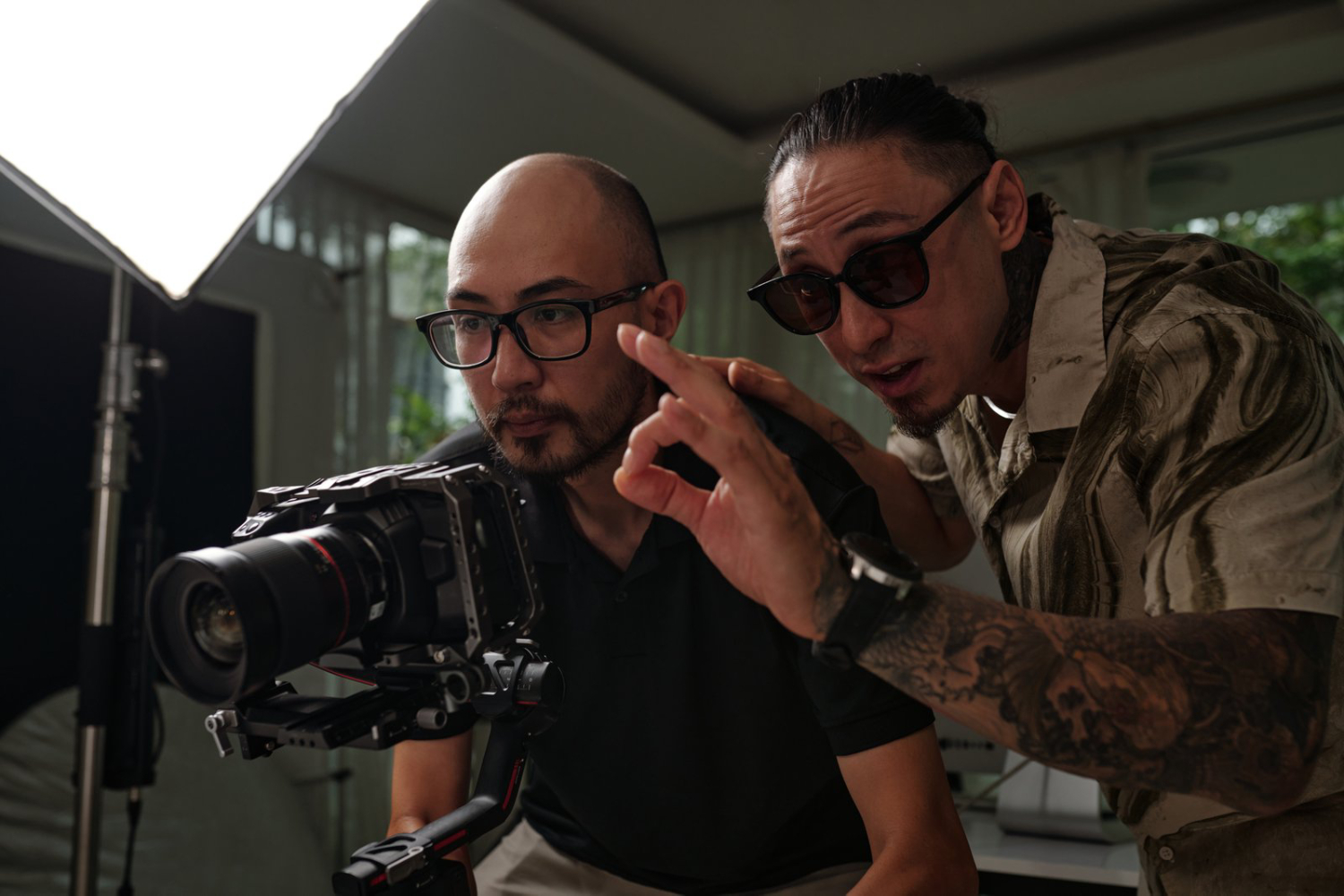
- Camera Gear: DSLR or mirrorless cameras capable of 4K or higher, lenses for various shot types
- Audio Equipment: Lavalier microphones, shotgun mics, and portable recorders for clear sound
- Lighting: LED panels, softboxes, and portable lights for versatile shooting conditions
- Editing Software: Adobe Premiere Pro, Final Cut Pro, or DaVinci Resolve for professional post-production
Choose gear and software based on your niche and budget, prioritizing reliability and quality over quantity.
5. Marketing Your Freelance Business
Effective marketing attracts clients and builds reputation:
- Social Media Presence: Share behind-the-scenes content, completed projects, and client testimonials
- Networking: Attend Chicago film festivals, creative meetups, and workshops to meet potential clients
- Referral Programs: Encourage satisfied clients to refer your services to others
- Local SEO: Optimize your website for keywords like “freelance videographer Chicago” to attract local searches
Marketing consistently is key to establishing visibility and credibility in Chicago’s competitive videography market.
6. Pricing and Contracts
Setting clear pricing and agreements protects your business:
- Competitive Pricing: Research local rates and set pricing that reflects your skill and experience
- Package Options: Offer tiered services to accommodate different client needs
- Contracts: Use detailed contracts outlining deliverables, timelines, revisions, and payment terms
- Deposits and Payments: Require upfront deposits to secure projects and ensure cash flow
Well-defined pricing and contracts build trust and prevent disputes.
7. Building Client Relationships
Strong client relationships lead to repeat business and referrals:
- Communicate clearly and regularly throughout projects
- Deliver work on time and exceed expectations whenever possible
- Personalize services to match client needs and brand vision
- Ask for testimonials and permission to showcase projects in your portfolio
Satisfied clients are your most valuable marketing asset.
8. Continuous Learning and Skill Development
The videography industry evolves constantly, and staying updated is crucial:
- Attend workshops and classes in Chicago to learn new techniques
- Explore emerging technologies such as drones, gimbals, and AI-assisted editing
- Study video trends on social media platforms and incorporate innovative approaches
Investing in professional growth ensures your freelance business remains competitive and relevant.
9. Scaling Your Freelance Business
Once established, you can scale your business to increase revenue and reach:
- Hire assistants, editors, or camera operators for larger projects
- Offer additional services such as social media management, animation, or marketing videos
- Collaborate with other creatives for bigger productions and cross-promotions
Scaling strategically allows your business to grow without compromising quality.
10. Final Thoughts
Starting a freelance videography business in Chicago combines creativity with entrepreneurship. By researching the market, building a strong brand, investing in quality equipment, marketing effectively, and delivering exceptional client experiences, you can establish a thriving freelance career.
Chicago’s diverse opportunities—from weddings and corporate events to creative short films—provide a dynamic environment for videographers. With dedication, continuous learning, and strategic planning, your freelance videography business can stand out, attract clients, and grow sustainably in one of America’s most vibrant cities.