How to Use Natural Light for Cinematic Shots
- April 6, 2026
- 0
Natural light is one of the most beautiful and versatile tools a videographer can use. It can create soft, flattering illumination, dramatic contrasts, and a cinematic mood that



Natural light is one of the most beautiful and versatile tools a videographer can use. It can create soft, flattering illumination, dramatic contrasts, and a cinematic mood that
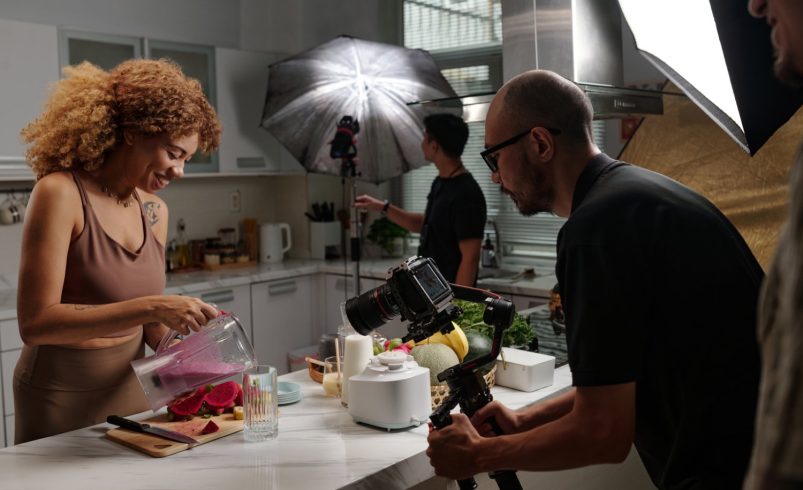
Natural light is one of the most beautiful and versatile tools a videographer can use. It can create soft, flattering illumination, dramatic contrasts, and a cinematic mood that artificial lighting often struggles to replicate. Understanding how to harness sunlight effectively allows you to produce professional-quality footage without relying heavily on expensive equipment.
In Chicago, with its dynamic urban landscapes, parks, and waterfronts, natural light offers endless opportunities for cinematic videography. This guide covers practical tips for using sunlight to enhance your shots and elevate your storytelling.
Sunlight changes throughout the day, affecting color, intensity, and mood:
Example: Filming a Chicago skyline at sunrise highlights the city’s architecture in warm, cinematic tones.
The direction of natural light impacts how subjects appear:
Tips: Experiment with positioning to achieve the desired cinematic effect.
Example: Shooting a street performer along the Chicago Riverwalk with side lighting emphasizes textures and creates visual depth.
Even with natural light, controlling its intensity improves your shots:
Example: A model shoot in Grant Park can use a white reflector to brighten shadows on the face while keeping sunlight as the key light.
Natural light can vary quickly, so adjust your camera settings accordingly:
Example: Capturing a sunset on Lake Michigan requires careful ISO and shutter speed adjustments to preserve color gradients without clipping highlights.
Timing is everything:
Example: A Chicago rooftop interview filmed in late afternoon achieves cinematic lighting naturally without additional equipment.
Light not only illuminates but also sets emotion:
Example: Filming a solo musician under filtered sunlight through trees in Lincoln Park creates an intimate, emotive atmosphere.
Sometimes adding small artificial light enhances natural sunlight without overpowering it:
Example: Filming a chef preparing food in a sunlit kitchen benefits from a small LED fill to illuminate under-counter shadows.
Natural light is unpredictable, so experimentation is key:
Example: A Chicago street dance video may require multiple takes as sunlight moves across buildings, creating dynamic light patterns.
Natural light is a powerful, cost-effective tool for creating cinematic videography. By understanding its quality, positioning your subjects thoughtfully, using reflectors and diffusers, and planning shoots around light, you can produce stunning, professional-looking videos. Whether filming in Chicago’s urban streets, parks, or waterfronts, mastering natural light allows you to tell visually compelling stories with depth, mood, and cinematic style.