Creating cinematic footage may seem intimidating for beginners, but understanding the fundamentals can turn ordinary videos into visually captivating stories. Cinematic videography relies on a combination of composition, lighting, camera movement, and storytelling techniques. Whether you’re capturing Chicago’s iconic skyline, a wedding, or a corporate video, mastering these principles will elevate your work and engage your audience.
1. Understanding Cinematic Style
Cinematic footage emphasizes mood, depth, and storytelling. It’s not just about resolution or camera quality—it’s about how scenes are framed, lit, and captured. Beginners should focus on smooth camera movements, natural lighting, and deliberate shot choices to create a professional look.
2. Planning Your Shots
Storyboarding helps visualize scenes before filming. Create a shot list to ensure all necessary angles and movements are captured. Even a simple plan can save time during shooting and simplify editing. Think about the story you want each scene to tell, and choose shots that convey emotion and context.
3. Composition Basics
Techniques like the rule of thirds, leading lines, and framing help create visually balanced footage. Positioning your subject thoughtfully and using the environment creatively makes every shot more cinematic.
4. Camera Movement
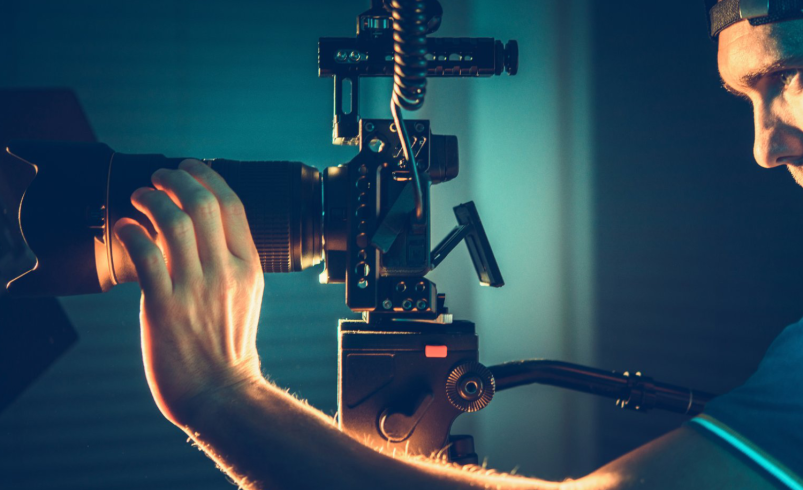
Use pans, tilts, and tracking shots to add fluidity. For beginners, stabilizers or gimbals can make handheld footage appear smooth. Avoid excessive movement; every motion should serve the story.
5. Lighting Fundamentals
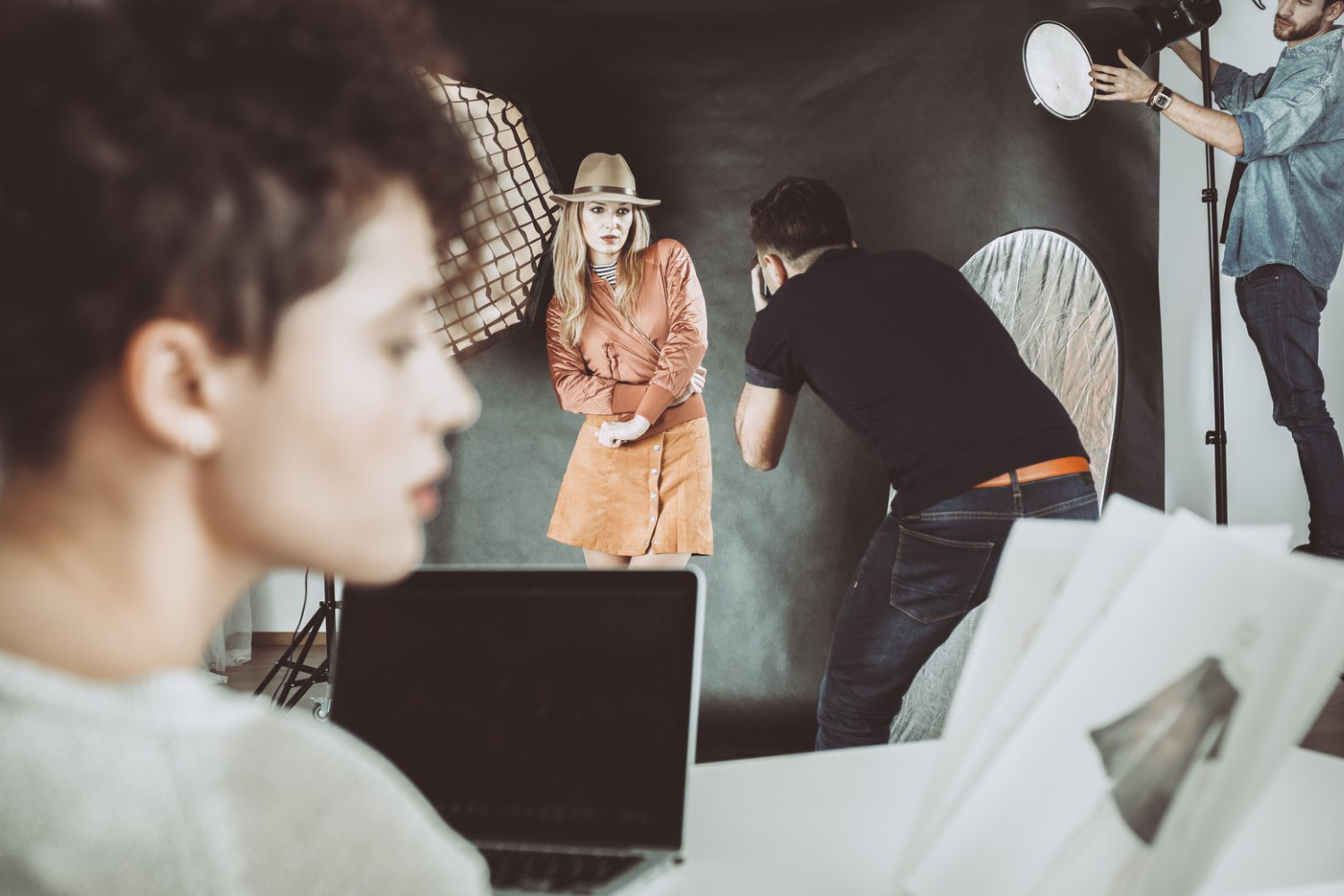
Lighting sets mood and depth. Utilize natural light whenever possible and supplement with reflectors or LED lights indoors. Pay attention to shadows, contrast, and highlights to add cinematic quality.
6. Depth of Field
Shallow depth of field isolates subjects and adds a professional feel. Experiment with aperture settings to achieve blurred backgrounds while keeping the main subject sharp.
7. Color & Tone
Correct white balance and color grading are key for cinematic footage. Beginners can start with basic adjustments and gradually explore LUTs to enhance the mood of each scene.
8. Practice & Experimentation
The best way to improve is by shooting regularly and experimenting. Try different angles, movements, and lighting setups. Analyze professional films for inspiration and adapt techniques to your projects.
Conclusion
Shooting cinematic footage as a beginner is achievable with practice, planning, and attention to detail. By mastering composition, lighting, camera movement, and storytelling, you can create videos that captivate viewers and stand out professionally. Chicago’s urban landscapes, parks, and cultural venues provide the perfect environment to practice and refine these skills, helping you grow as a videographer.