How to Master Dynamic Camera Movements for Engaging Videos
- April 6, 2026
- 0
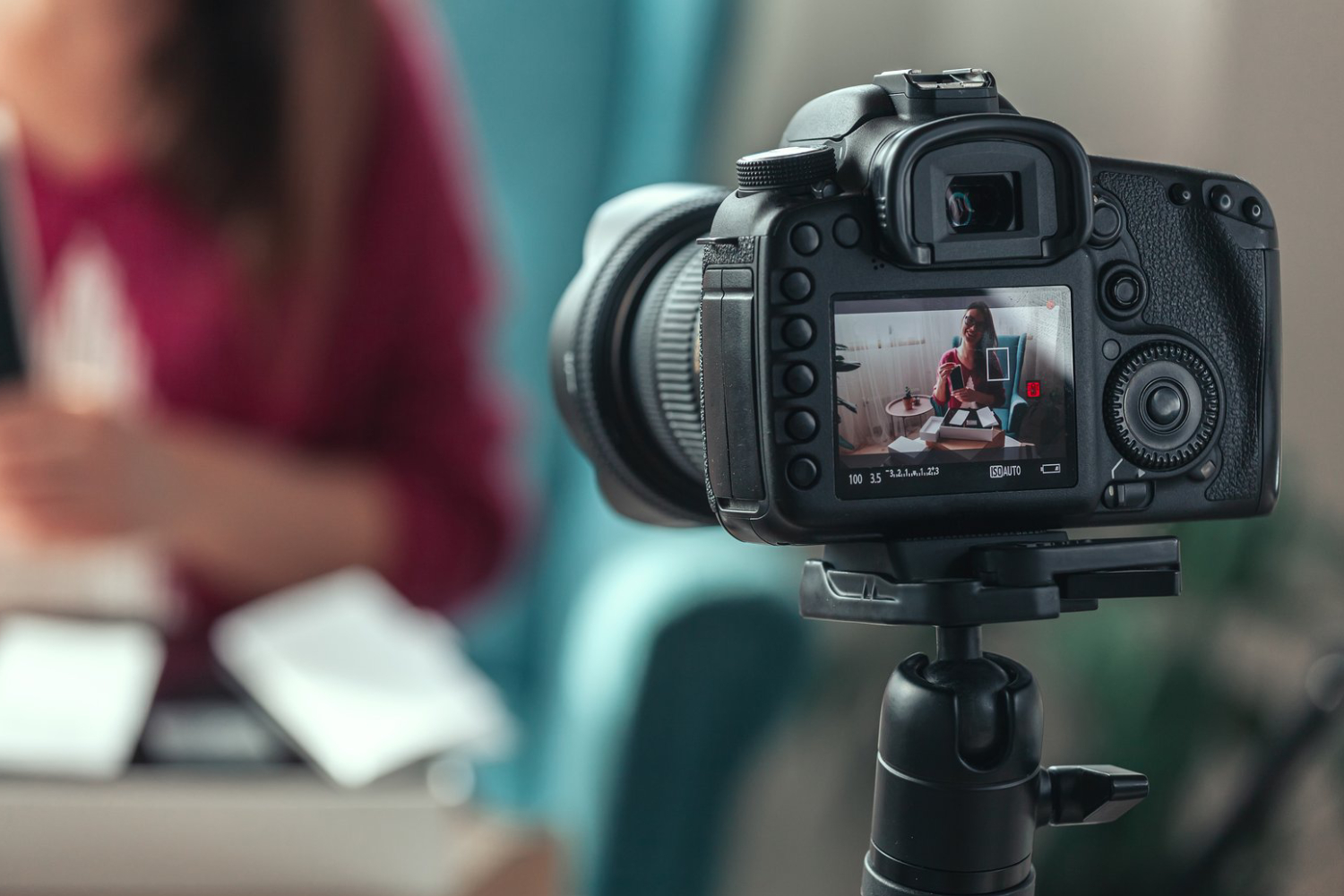
Camera movement is one of the most powerful tools a videographer has for telling a story. Static shots can capture a moment, but dynamic movements bring energy, emotion,



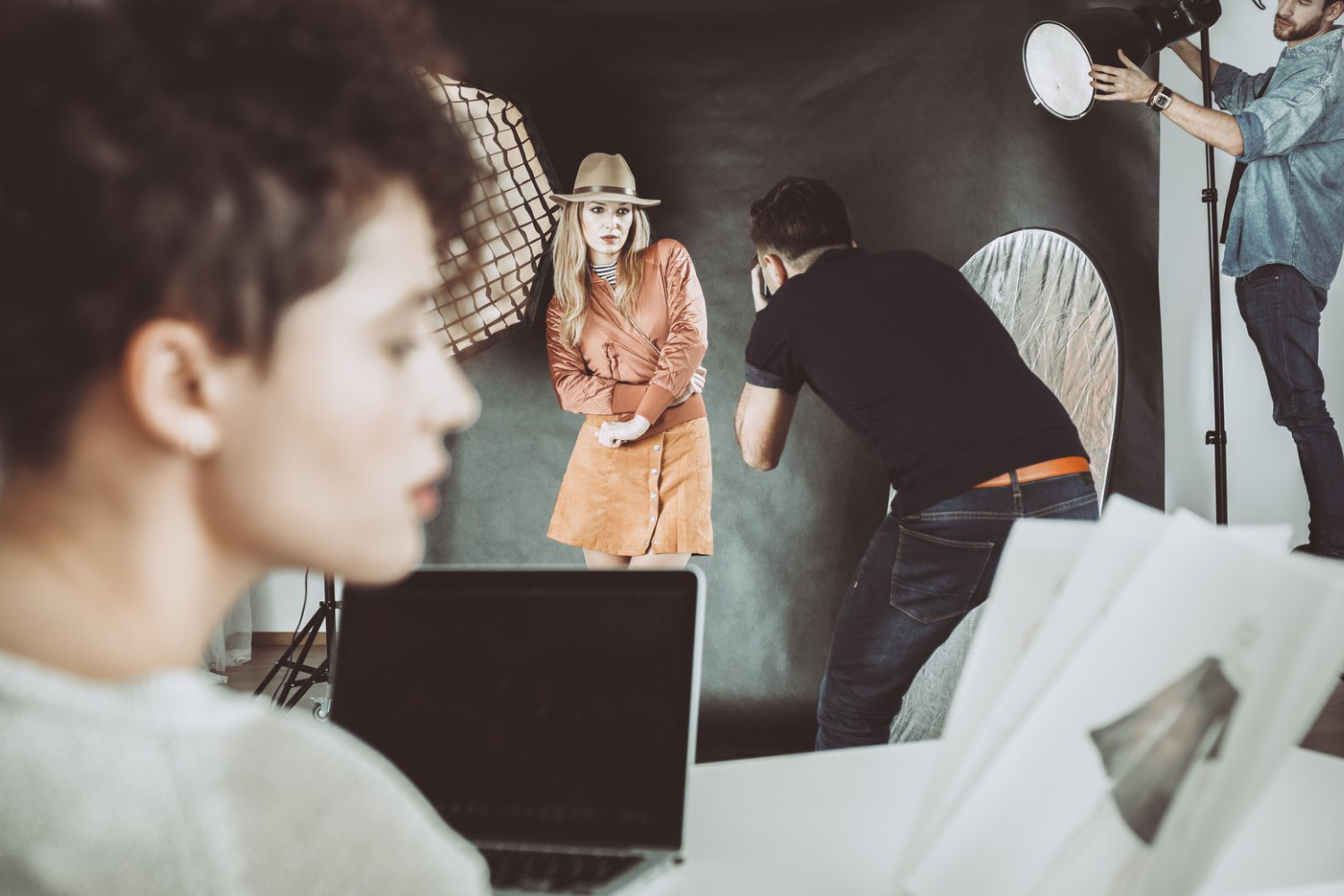

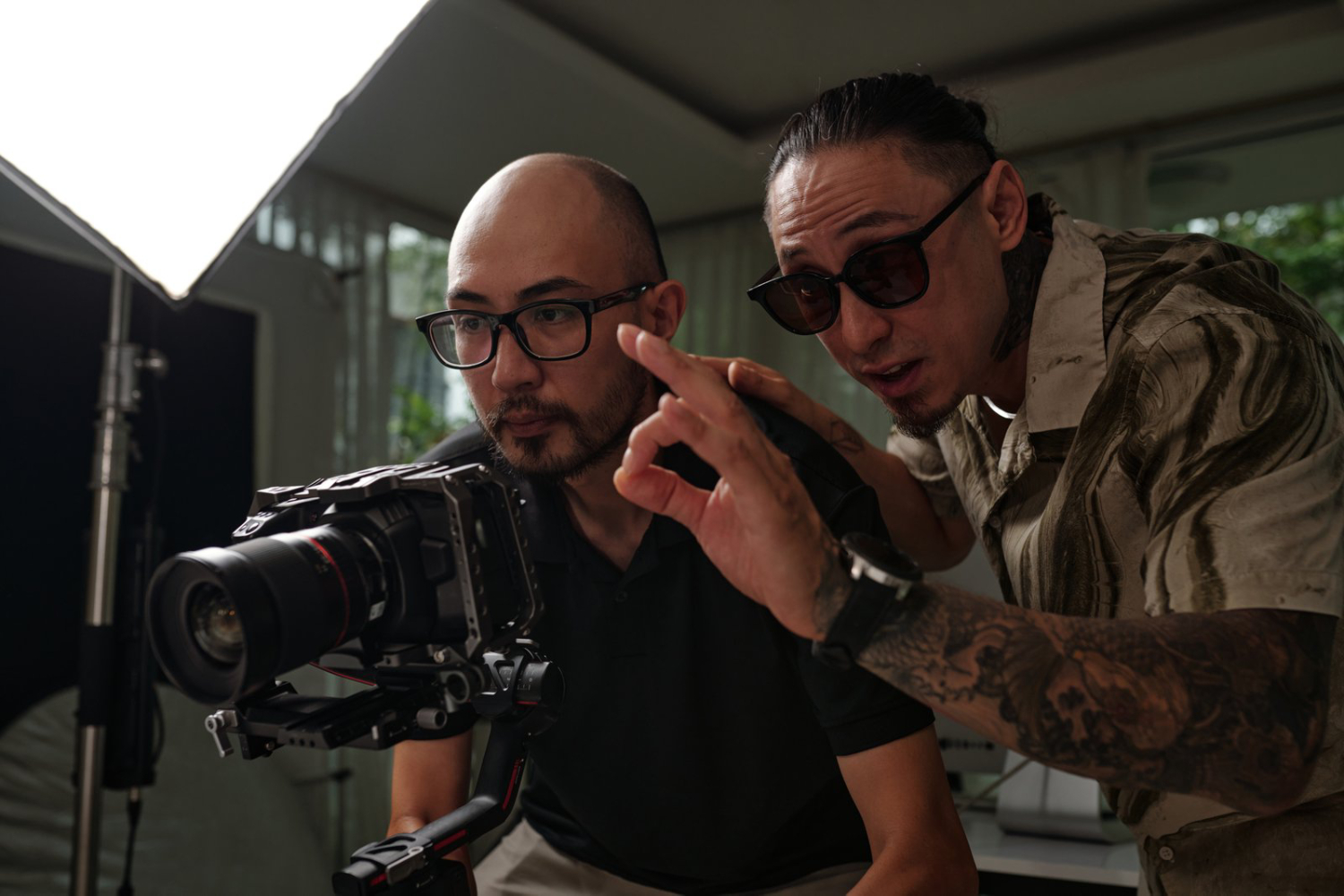
Camera movement is one of the most powerful tools a videographer has for telling a story. Static shots can capture a moment, but dynamic movements bring energy, emotion,
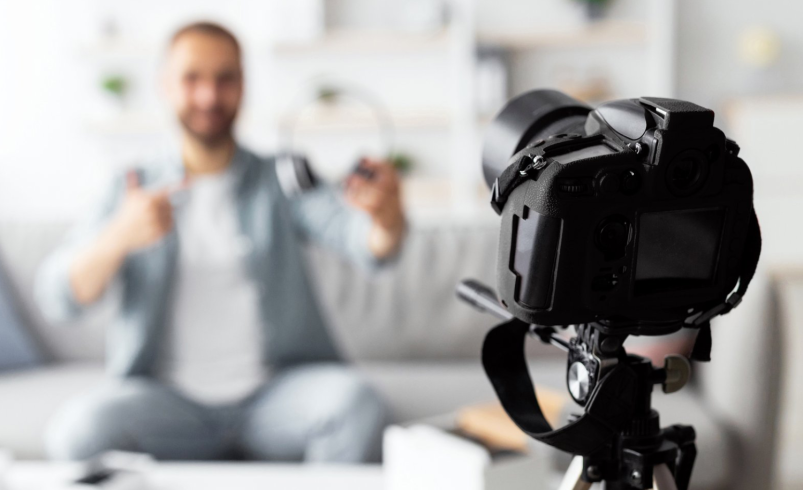
Camera movement is one of the most powerful tools a videographer has for telling a story. Static shots can capture a moment, but dynamic movements bring energy, emotion, and cinematic flair to your videos. Whether you’re filming a wedding, a corporate event, or a cinematic short, understanding how to execute smooth, purposeful camera movements can transform ordinary footage into something truly engaging.
In Chicago, the city’s bustling streets, iconic architecture, and scenic locations offer endless opportunities to experiment with movement. From tracking shots along the Chicago Riverwalk to sweeping aerial drone footage over Millennium Park, the environment itself can enhance the impact of your shots.
This guide will break down the techniques, tools, and strategies you need to master dynamic camera movements. By the end, you’ll be able to plan, execute, and combine movements to create videos that captivate audiences and elevate your storytelling.
Before you can master dynamic shots, it’s essential to understand the types of camera movement:
Understanding these movements allows you to choose the right technique for your story. For example, a wedding entrance in Chicago’s historic Palmer House can benefit from a slow dolly or slider shot to add elegance, while a city street time-lapse might use a pan or tilt to showcase urban activity.
Smooth, dynamic footage often requires the right tools:
Tips:
Dynamic shots should never be random. Pre-planning ensures each movement serves the story:
Example: Filming a corporate event at a Chicago hotel requires planning your dolly shots along hallways, pan across stages, and handheld coverage of candid interactions. Practicing these movements beforehand ensures smooth, professional results.
Several practical techniques can make your camera movements feel dynamic and engaging:
Tips: Always consider the scene’s rhythm and pacing. Dynamic movements should complement, not distract from, the story.
Handheld footage can feel intimate and real, but it requires control:
Example: Shooting street performers in Chicago’s Lincoln Park requires handheld flexibility. Follow the performer smoothly, adjusting angles while maintaining a clear subject focus. Practice is key for maintaining professional-quality handheld shots.
Movement should enhance narrative, not just create flashy visuals:
Tip: Each movement should answer the question, “Does this add to the story?” If it doesn’t, keep the camera static.
Layering movements creates complex, professional shots:
Example: Filming Chicago Riverwalk, start with a low-angle tracking shot, then pan up to reveal the skyline. This combination immerses viewers and emphasizes both subject and environment.
Dynamic camera movements are essential for engaging, professional videography. From pans and tilts to tracking shots and aerial drone footage, mastering these techniques allows videographers to tell stories that captivate and inspire. By combining careful planning, the right tools, and purposeful motion, you can elevate ordinary footage into cinematic experiences.
Practice regularly, experiment with different tools, and study how professional filmmakers use movement to convey emotion and narrative. Chicago offers a rich playground—from urban streets and parks to scenic aerial views—allowing videographers to push creative boundaries. With these strategies, your videos will not only look professional but also resonate with viewers and leave a lasting impression.